To mic a guitar cab, point a dynamic mic like a Shure SM57 at the edge of one speaker’s dust cap, close to the grille, and adjust from there by ear. Where you place the mic across the speaker controls brightness; distance controls room and body. This guide covers mic choice, placement, phase, and blending two mics.
Choose the right mic
You do not need a locker full of mics to record a great amp. The classics:
- Dynamic (Shure SM57): the industry-standard cab mic — bright, punchy, handles loud volume. If you own one mic for amps, this is it.
- Ribbon: smoother and darker, great for taming a harsh amp or blending with a 57.
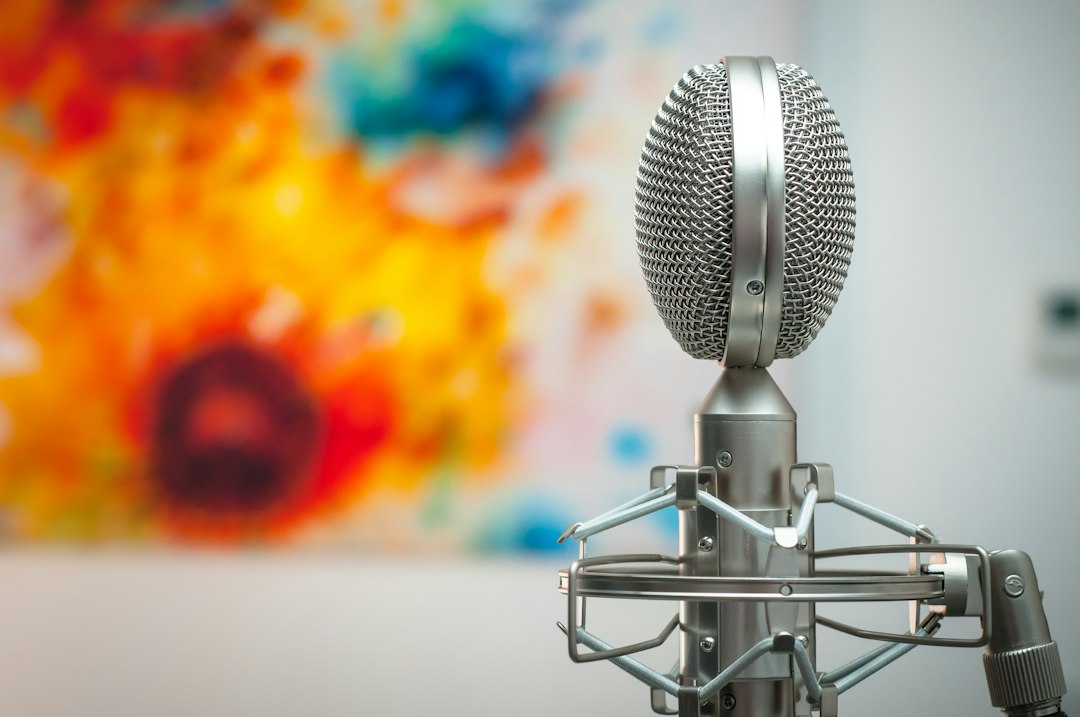
- Condenser: more detailed and open, usually used a little further back or as a room mic.
If you are choosing between mic types, our explainer on condenser vs dynamic microphones helps. A dynamic like the SM57 is the safest, most forgiving starting point for cab work.
Placement: where on the speaker
Aim at a single speaker (cabs have several; pick the best-sounding one). Two variables decide your tone:
- Across the cone: at the centre/dust cap the tone is brightest and most aggressive; moving toward the outer edge of the cone gets darker and rounder. The sweet spot is usually the edge of the cap.
- On-axis vs off-axis: pointing straight at the speaker is brightest; angling the mic off-axis softens the top end and reduces fizz.
This is exactly what IR makers capture when they label positions, which is why guitar cab IRs mirror the same choices if you ever go digital.
Distance: close vs room
A close mic almost touching the grille gives a tight, direct tone with maximum punch and minimum room. Pulling back a few inches adds air and body but also more room sound. In an untreated home room, close-mic to keep the room out of your tone — and consider some acoustic treatment if you want to mic further back.
Mind your levels and the amp volume
Set the amp to a volume where it actually sounds good — many amps need to move some air before the tone opens up. Set your interface gain so peaks land around -12 dBFS with headroom. If clipping the input is new to you, see gain staging explained. A clean, well-set level captures the cab faithfully.
A repeatable method for dialling it in
Random mic-shuffling wastes time. A simple, repeatable routine gets you to a usable tone faster and means you can recreate it next session:
- Start at the cap edge, on-axis, almost touching the grille. This is the most reliable starting point and will already sound close to records you know.
- Change one thing at a time. Move only across the cone first, listening for bright-versus-dark, then settle that before touching distance or angle. Adjusting everything at once makes it impossible to know what helped.
- Audition while the part plays. Loop the actual riff and tweak the mic live. A position that sounds great on an isolated chord can disappear in the mix, so judge it against the part you will keep.
- Mark the spot. Once it sits right, note the speaker, the distance, and the angle (a small piece of tape on the grille helps) so tomorrow’s overdubs match today’s.
Trust your ears over any “correct” measurement. The best position is simply the one that sounds best for the song, and it changes with the amp, the speaker, and the part being played.
Common mistakes to avoid
Most home cab recordings are let down by a handful of repeat offenders, and they overlap with the wider list of common guitar recording mistakes worth avoiding:
- Micing a quiet amp. Recording at bedroom volume often gives a flubby, lifeless tone. Within reason, let the amp breathe; that is half of the recorded sound.
- Chasing tone with EQ before you move the mic. A few centimetres of mic movement does more than a heavy EQ boost and sounds far more natural. Get it right at the source first.
- Forgetting the cone faces forward. Mic from the front of the cab, square to the grille. Wildly steep angles or micing from the side thin the tone out.
- Soloing the guitar to set the tone. A scooped, dark, or fizzy tone that sounds odd alone often sits perfectly in a full mix. Reference the cab against drums and bass before you commit.
- Ignoring the cab itself. A loud cab vibrates the floor and walls. Decoupling it slightly or pointing it away from a reflective corner can clean up the recording before the mic even sees it.
Blending two mics (and watching phase)
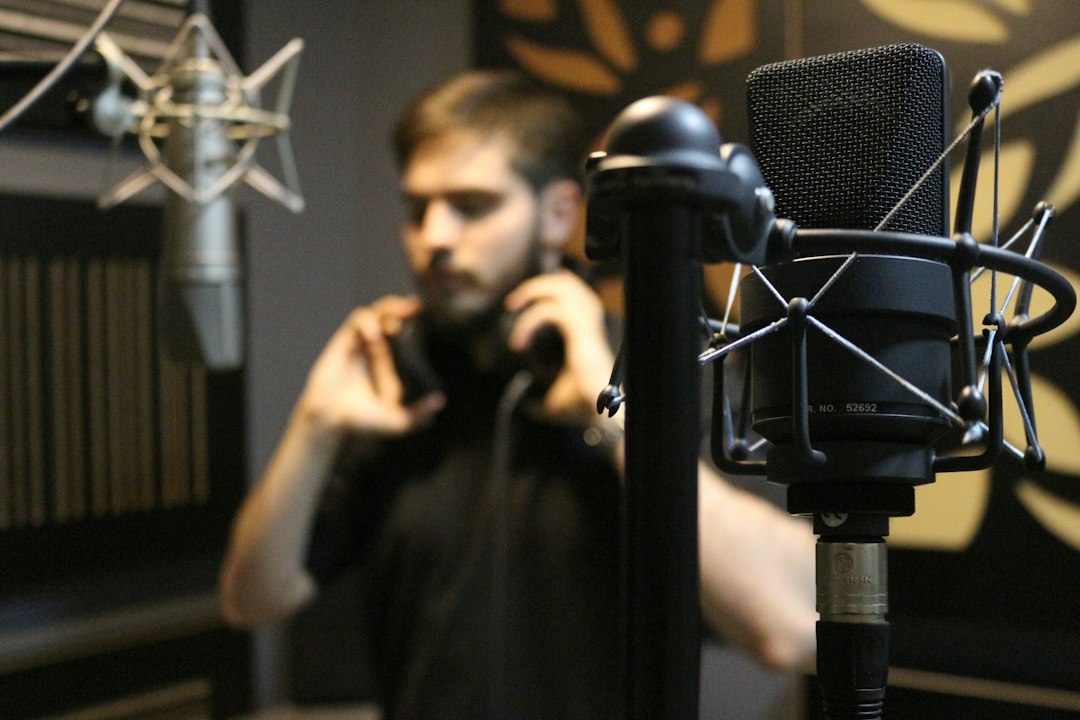
A two-mic blend is how many pro amp tones are built — for example an SM57 for bite plus a ribbon for body. The catch is phase. When two mics sit at different distances from the same speaker, their signals can partially cancel and thin out the low end. To keep things tight:
- Try to align both mic capsules the same distance from the speaker.
- Flip the polarity switch on one channel and keep whichever sounds fuller.
- Nudge one mic slightly and listen for the bass coming back.
Blend to taste with one mic louder than the other rather than running them at equal level — usually the dynamic carries the tone and the ribbon or condenser fills in underneath. If a blend never sounds fuller than the better single mic, drop back to one mic; a strong single track always beats a phasey pair, and it gives you cleaner raw material when you later mix distorted guitars.
No amp? Use a cab sim instead
If you can’t make noise, you don’t have to mic anything — record a clean DI and use an amp sim with a cab IR, which recreates the same mic-on-speaker choices in software. See how to use amp sims and how to record electric guitar for the full home workflow.
Frequently asked questions
What’s the best mic to mic a guitar cab?
A Shure SM57 is the default for good reason — bright, punchy, durable, and forgiving of placement. Add a ribbon mic later if you want a smoother blend. You can record professional tones with a single dynamic mic.
How close should the mic be to the cab?
For a tight, focused tone in an untreated room, place the mic almost touching the grille cloth. Pull back a few inches only if you want room ambience and have a good-sounding space. Distance trades punch for air.
How do I avoid phase problems with two mics?
Keep both mic capsules the same distance from the speaker, then use the polarity/phase switch on one channel and keep whichever sounds fuller in the low end. If a blend sounds thinner than one mic alone, that is phase cancellation.
Do I need an isolation cab or a loud room to get a good tone?
No. Close-micing one speaker keeps most of the room out of the recording, so even an untreated home space can sound good. An isolation cab only helps when you cannot make any noise at all; otherwise a single close mic on a cab at a sensible volume is enough.