
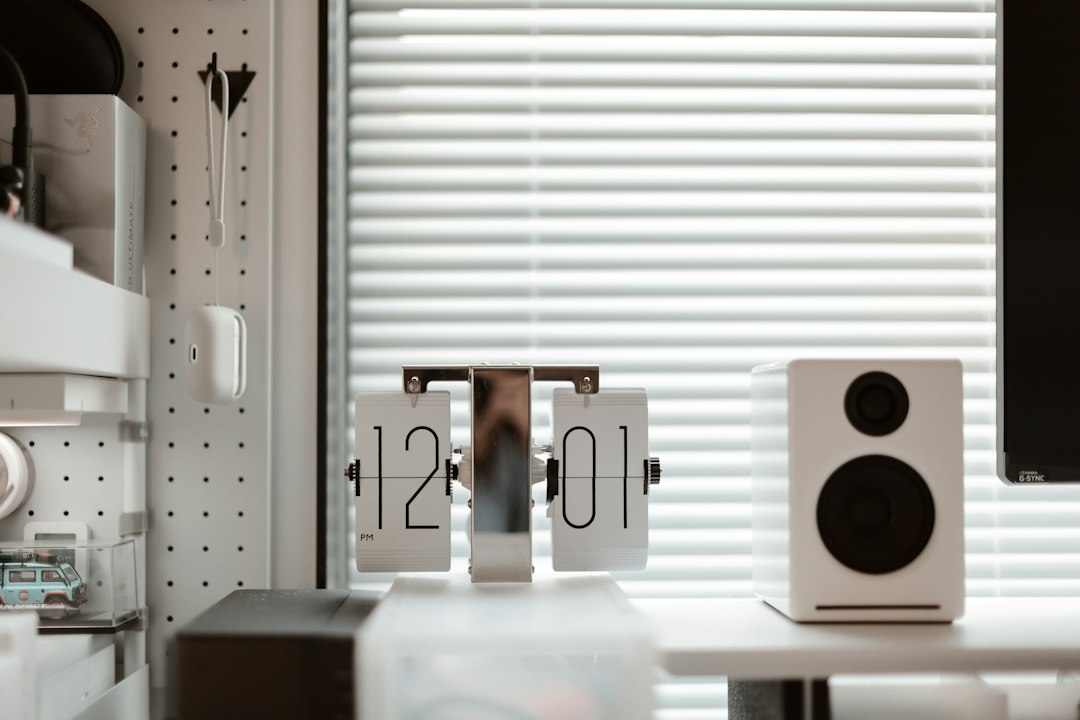
A good pair of bookshelf speakers is the single biggest upgrade most people can make to how music sounds at home. They are small enough for an apartment, yet a well-designed two-way box with a proper tweeter and woofer will reveal detail, stereo width and dynamics that a soundbar or smart speaker simply cannot. This guide picks the best bookshelf speakers for listening across passive models, which need an amplifier, and powered models, which have one built in. We explain the specs that actually matter, such as sensitivity, impedance and port design, in the same terms an engineer would use when choosing studio monitors.
Passive or powered: decide this first
Passive speakers contain drivers and a crossover but no amplifier. You pair them with an integrated amp or receiver, which gives you freedom to upgrade either half later and usually more sound per budget band. Powered (active) speakers have amplification built into one or both cabinets, so you plug a source straight in. They are simpler and take less space, but if the amp fails the whole speaker is out of action. Engineers will recognise the same debate from powered vs passive studio monitors. If you already know you want an all-in-one active pair with Bluetooth and inputs, our dedicated guide to powered bookshelf speakers goes deeper; for the lowest prices, see our budget bookshelf speakers picks.
If you are building a vinyl system around a passive pair, our roundup of the best amps and receivers for record players covers models with built-in phono inputs.
The best bookshelf speakers for music
KEF Q1 Meta
The KEF Q1 Meta uses KEF’s Uni-Q driver, which places the tweeter in the centre of the midrange cone so highs and mids come from a single point. The practical result is a stable stereo image that holds up even when you are sitting off to one side, which matters in real living rooms where nobody sits in the perfect sweet spot.
Best for: listeners who want refined, room-friendly imaging and are ready to spend in the mid-range or above.
- Pros: wide, even dispersion, detailed midrange, compact cabinet.
- Cons: needs a decent amplifier, and bass is naturally limited by the box size.
ELAC Debut 2.0 B6.2
The ELAC Debut 2.0 B6.2 pairs a 1-inch cloth dome tweeter with a 6.5-inch aramid fibre woofer. That larger woofer moves more air than most bookshelf designs, so it delivers fuller low end for rock, jazz and electronic music without needing a subwoofer straight away.
Best for: people who want big-speaker bass from a stand-mount box.
- Pros: generous bass, smooth tweeter, strong value for a passive pair.
- Cons: large for a true bookshelf, and it rewards a capable amp.
Q Acoustics 3020c
The Q Acoustics 3020c is a compact two-way reflex design with a 4.75-inch bass driver and a 0.9-inch tweeter. It is small enough for a desk or narrow shelf and is known for a balanced, unfatiguing sound that suits long listening sessions.
Best for: smaller rooms and listeners who value balance over boom.
- Pros: compact, refined finish options, easy to place.
- Cons: limited deep bass, so a sub helps in larger rooms.
Klipsch R-41M
The Klipsch R-41M pairs a 4-inch copper-coloured woofer with an aluminium tweeter in Klipsch’s Tractrix horn. Its rated sensitivity of 90dB at 2.83V means it plays loud on very little power, so even a small amplifier can drive it. The horn gives a lively, forward presentation.
Best for: low-power amps and listeners who like an energetic, punchy sound.
- Pros: high sensitivity, small footprint, easy 8-ohm load.
- Cons: the forward treble can sound bright in hard, untreated rooms.
Polk Audio Signature Elite ES15
The Polk Signature Elite ES15 combines a 1-inch Terylene tweeter with a 5.25-inch woofer and Polk’s Power Port, a flared port design intended to reduce turbulence and distortion in the bass. High sensitivity and 4- or 8-ohm compatibility make it easy to pair with mainstream receivers.
Best for: people building a system around an AV receiver that handles both music and movies.
- Pros: warm, full sound, receiver-friendly load, expandable into home theatre.
- Cons: less precise imaging than the KEF, and the rear port needs space behind it.
Sony SS-CS5
The Sony SS-CS5 is a three-way, three-driver passive design that includes a dedicated super tweeter for wider dispersion. It has been a long-running entry-level favourite because it sounds open and spacious for its band.
Best for: first systems on a tight budget.
- Pros: very affordable, wide sound stage, three-way layout.
- Cons: lower sensitivity than the Klipsch, so it wants a bit more amplifier power.
Edifier R1280T
The Edifier R1280T is the simplest powered option: a 13mm silk dome tweeter and 4-inch driver, two analog inputs that can both stay connected, bass and treble knobs on the side and a remote. Plug in a turntable with a built-in preamp, a laptop or a TV and you are listening.
Best for: anyone who wants good sound with no separate amplifier.
- Pros: plug and play, two inputs, tone controls, wood-effect finish.
- Cons: no Bluetooth on this version, and the amp limits maximum volume.
Audioengine A5+
The Audioengine A5+ is a larger powered pair with 150 watts of built-in amplification, RCA and 3.5mm inputs and enough output to fill a medium living room. It is a favourite for vinyl and desktop systems alike because it sounds full and natural without fuss.
Best for: powered-speaker buyers who need real volume and bass.
- Pros: strong amplification, solid build, simple wired connections.
- Cons: this wired version has no Bluetooth, and the cabinets are heavy.
Comparison table
| Product | Best for | Key feature |
|---|---|---|
| KEF Q1 Meta | Refined imaging | Uni-Q coincident driver |
| ELAC Debut 2.0 B6.2 | Bass from a stand-mount | 6.5-inch aramid woofer |
| Q Acoustics 3020c | Small rooms | Compact, balanced reflex design |
| Klipsch R-41M | Low-power amps | 90dB sensitivity, horn tweeter |
| Polk Signature Elite ES15 | Receiver-based systems | Power Port bass |
| Sony SS-CS5 | Tight budgets | Three-way with super tweeter |
| Edifier R1280T | Simple powered setup | Two analog inputs, remote |
| Audioengine A5+ | Powered with real volume | 150W built-in amplification |
How to choose
Match sensitivity to amplifier power. Sensitivity tells you how loud a speaker plays from one watt. Every 3dB of extra sensitivity roughly halves the power needed for the same volume, so a 90dB speaker on a small amp can match a less sensitive speaker on a much larger one.
Check impedance. Most bookshelf speakers are 6 or 8 ohms, which any receiver handles. Lower impedance asks more current of the amp, so check your amplifier’s rating before buying a demanding load.
Mind the port. Rear-ported speakers need space behind them, typically a hand’s width or more, or the bass becomes boomy. Front-ported or sealed designs are more forgiving close to a wall.
Get them off the furniture. Despite the name, bookshelf speakers sound best on stands at ear height, angled slightly toward you, forming a triangle with your listening seat. Proper speaker stands tighten bass and sharpen the stereo image.
Plan for bass. Small woofers roll off in the deep bass. If you love electronic music or film scores, a matched subwoofer from our subwoofers for music guide fills in the bottom octave.
FAQ
Do bookshelf speakers need an amplifier?
Passive models do; they need an integrated amplifier or receiver. Powered models like the Edifier R1280T and Audioengine A5+ have amplification built in and connect straight to a source.
Can I connect a turntable directly to bookshelf speakers?
Only to powered speakers, and only if the turntable has a built-in phono preamp or the speakers have a phono input. Passive speakers always need an amplifier, plus a phono stage somewhere in the chain.
Are bookshelf speakers good enough without a subwoofer?
For most music in small and medium rooms, yes. Larger woofers like the ELAC B6.2 reach lower on their own, while compact designs benefit from a sub if you want deep, physical bass.



