
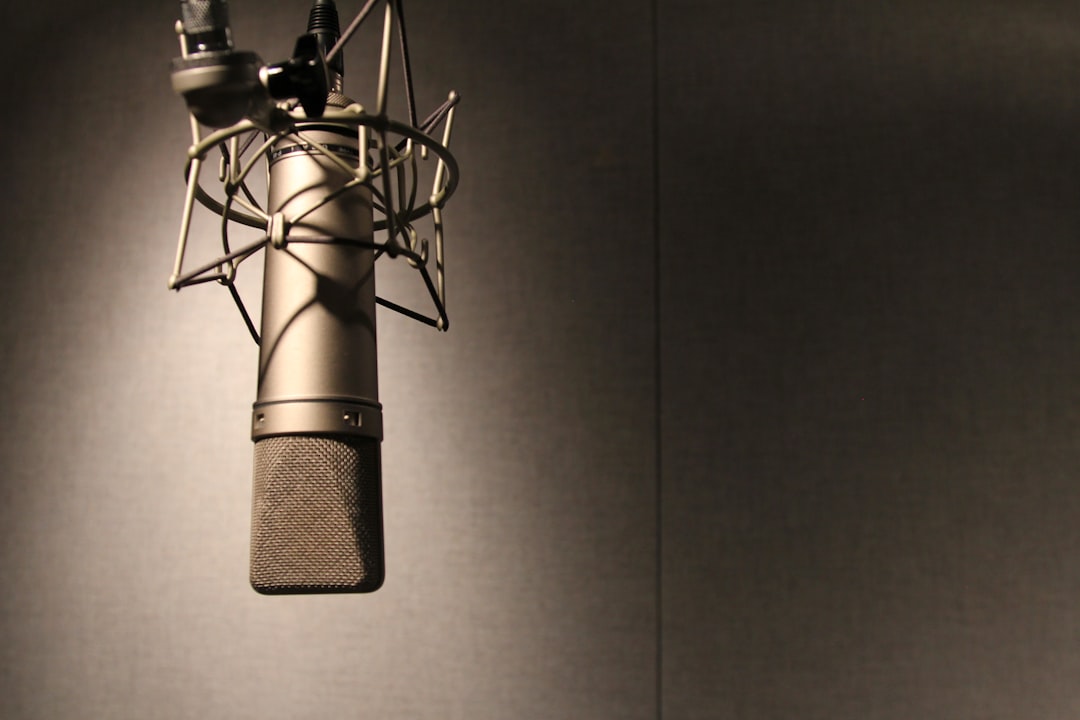
The short version of SM57 vs SM58: they share nearly the same cartridge, but the SM57 is built for instruments (drums, guitar amps) and the SM58 is built for vocals. The biggest difference is the grille — the SM58’s large ball-shaped grille houses a built-in pop filter and changes the sound slightly, while the SM57 has a smaller grille that lets you get closer to a source.
What each microphone is
Both are cardioid dynamic microphones from Shure, both are famously durable, and both are studio and stage standards. They use the same Unidyne III capsule, which is why they sound so similar. The differences come down to the grille design and how Shure tunes each for its intended job. If you are new to mic types, our condenser vs dynamic guide explains why these rugged dynamics are so popular. Both rank among the best dynamic microphones you can put in a home studio.
The key differences
| Shure SM57 | Shure SM58 | |
|---|---|---|
| Intended use | Instruments (snare, guitar amp, toms) | Vocals |
| Grille | Small, integral | Large ball with built-in pop filter |
| Capsule | Unidyne III | Unidyne III |
| Polar pattern | Cardioid | Cardioid |
| Top-end | Slightly brighter, more presence up close | Smoothed slightly by the grille |
Because the SM58’s grille adds distance and an integrated windscreen, it tames plosives and slightly softens the high end. The SM57, with its exposed capsule, can sit closer to a source and sounds a touch brighter and more present. For more on the cardioid pattern they share, see polar patterns explained.
Pros and cons
Shure SM57 pros: brilliant on snare and guitar amps, gets close to sources, slightly more presence. Cons: no built-in pop filter, so it needs an external one for vocals.
Shure SM58 pros: built-in pop filter and ball grille make it ideal for handheld and close vocals, rugged for live use. Cons: grille gets in the way for tight instrument miking.
Sound: are they really that different?
Take the ball grille off an SM58 and it sounds very close to an SM57, because the capsule is essentially the same. In practice, the SM57 is brighter and tighter up close, while the SM58 is a hair warmer and more controlled on vocals thanks to its windscreen. Neither needs phantom power, and both are low-output dynamics that benefit from clean gain — keep an eye on gain staging.
How the grille shapes the sound
It is worth understanding why two mics with the same capsule end up sounding different, because it explains how to use each one well. The SM58’s ball grille does three things at once. First, it physically holds the capsule a centimetre or two further back from the source, which reduces the most extreme proximity effect bass boost you get when you crowd a cardioid mic. Second, the foam windscreen inside the ball diffuses fast blasts of air from plosives like “p” and “b” sounds before they hit the diaphragm. Third, that same foam and the larger air cavity gently roll off some of the very top end, which is what makes the SM58 sound a touch smoother and less sibilant on close vocals.
The SM57 throws all of that away in favour of access. Its slim grille lets you push the capsule right up against a snare rim or amp grille cloth, where the extra brightness and stronger proximity effect actually help the instrument cut through a busy mix. That is the whole trade-off in one sentence: the SM57 buys you presence and tight placement, the SM58 buys you plosive control and a forgiving vocal tone.
How to choose for your home studio
If you are buying just one mic, start from what you record most often. A singer-songwriter who mostly tracks vocals and acoustic guitar will get more day-to-day use out of an SM58, because the pop filter is already handled and the smoother top end flatters most voices. Someone recording electric guitar, a small drum kit, or podcast-style spoken word will lean toward the SM57 for its tighter placement and extra clarity.
- Budget: both sit at a similar, affordable price, so cost rarely decides it. The choice is about the job, not the spend.
- Interface and gain: these are quiet dynamics, so make sure your interface has enough clean gain. If a vocal sounds noisy and weak, that is usually a gain problem, not a mic problem.
- Pop filter: factor in an external pop filter or foam windscreen if you choose the SM57 for vocals — it is a small extra cost that closes most of the gap with the SM58.
- Room over mic: in an untreated room, neither mic will magically fix reflections. Both reject off-axis sound well thanks to the cardioid pattern, which is part of why they are forgiving in imperfect spaces.
Common mistakes to avoid
The most frequent error is expecting a dynamic mic to behave like a large-diaphragm condenser. The SM57 and SM58 are not meant to capture airy detail from across the room; they shine when the source is close. If your recordings sound thin and distant, move in closer before you reach for EQ.
A second mistake is forgetting plosive control on the SM57. Because it has no built-in windscreen, an unprotected SM57 on vocals will thump on every hard consonant. Add a pop filter and the problem disappears. Finally, do not over-rely on the proximity effect: singing or speaking extremely close gives a warm, bassy tone, but it also exaggerates handling noise and makes levels jumpy as you move. Find a consistent distance and stick to it.
Which should you choose?
- Choose the SM57 if your priority is instruments — recording a guitar amp, snare drum or toms. It is the default amp and snare mic for a reason. See our electric guitar recording guide.
- Choose the SM58 if your priority is vocals, especially handheld or live, where the built-in pop filter earns its keep.
- Get both if you can — they are inexpensive and cover almost everything a home studio throws at them. Browse more options in the microphones category.
Frequently asked questions
Can I use an SM57 for vocals?
Yes. The SM57 records vocals well; it just lacks a built-in pop filter, so you should add an external one to control plosives. Many engineers prefer the SM57’s slightly brighter, more present tone on certain voices.
Can I use an SM58 on a guitar amp or drums?
You can, and it sounds close to an SM57 because of the shared capsule. The larger ball grille just makes it harder to position tightly against a speaker grille or drum head.
Are the SM57 and SM58 the same microphone inside?
Essentially yes — both use Shure’s Unidyne III cartridge. The audible differences come from the grille design and the SM58’s built-in pop filter, not from a fundamentally different capsule.
Do I need phantom power for either mic?
No. Both are passive dynamic microphones, so they do not require phantom power. You can leave 48V switched off, though leaving it on usually does no harm to a balanced dynamic. What they do need is plenty of clean gain from your preamp.



