
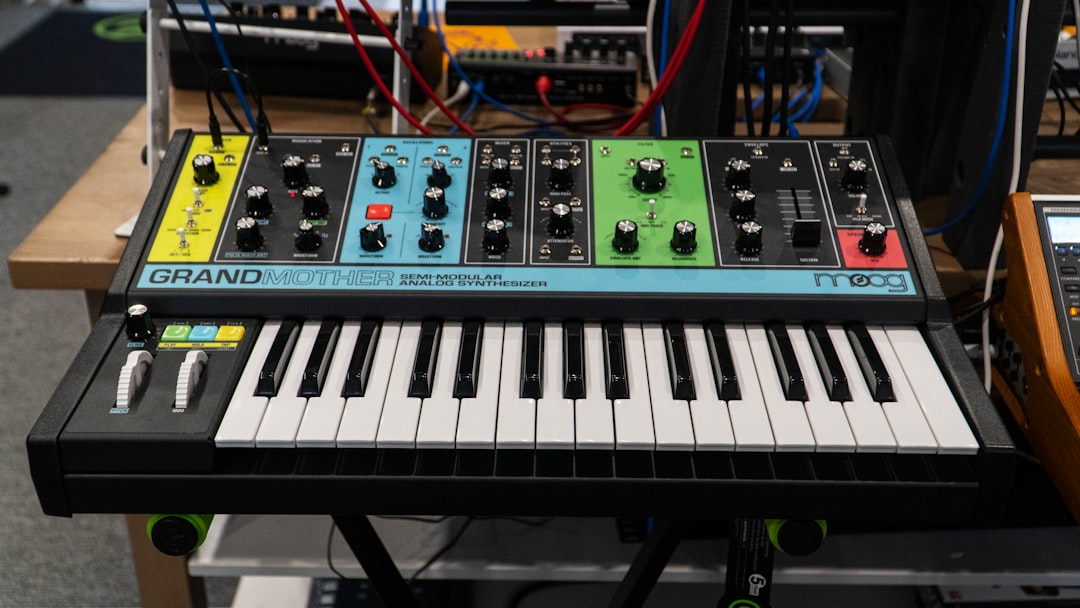
Looking for the best free drum samples to build beats without spending a cent? The short answer is that plenty of high-quality kicks, snares, hats and full loops are available for free from reputable producer communities, label freebies, sample-library “taster” packs and dedicated free-pack sites. The trick is knowing where to look, how to spot a pack worth downloading, and how to check the licence before you release a track.
Violet Recording is reader-supported — we may earn a commission from links on this page, at no extra cost to you.
The quick answer: where to find free drum samples
If you want a fast shortlist before we dig into the detail, here’s where most producers actually source their drums for nothing:
- Free packs from big sample libraries — services like Splice regularly give away curated starter packs and rotating freebies you can keep.
- Free-pack specialists — sites in the mould of Cymatics release genre kits (trap, house, lo-fi) as free downloads in exchange for an email.
- Label and artist freebies — many electronic labels and producers post free drum kits to promote a release or a paid pack.
- Producer forums and communities — long-running threads on production forums, Reddit and Discord servers share community-made one-shots.
- Your DAW’s stock content — the factory library in Ableton, FL Studio, Logic or Reaper already holds usable drums you paid for with the software.
Below we cover what separates a genuinely useful pack from filler, the main types of drum sample you’ll meet, and the licensing question that trips up more producers than it should.
What makes a good free drum sample pack
Free doesn’t have to mean low quality, but the range is huge. A weak pack is a folder of thin, badly named hits recorded or bounced at a low resolution; a strong one feels like it was curated by someone who actually makes beats. Here’s what to look for.
Clean, punchy recordings. Good one-shots are tight, with a clear transient and no unwanted room noise, clipping or harsh digital artefacts. A kick should have weight without mud; a snare should cut without stabbing your ears. If a sample already sounds over-processed, it will fight whatever you do to it later in the mix.
Sensible file formats. Prefer 24-bit WAV files over heavily compressed MP3s. WAV gives you headroom to layer, pitch and process without the artefacts that MP3 bakes in. Most reputable free packs ship WAV as standard; treat MP3-only drum packs with mild suspicion.
Logical naming and folders. A pack that labels files “Kick_01”, “Snare_Tight”, “Hat_Open” and sorts them into folders will save you hours over a bag of “audio_finalFINAL_2” mystery files. Organisation is a quiet sign the creator cared.
Variety with a point of view. The best free kits aren’t 400 random hits — they’re 40 that share a sonic identity, so the drums glue together in a beat. A focused lo-fi kit or a coherent trap kit beats a giant grab-bag every time.
The main types of free drum samples explained
Not every download does the same job. Knowing the categories helps you search for the right thing instead of hoarding gigabytes you never open.
One-shots. Single hits — one kick, one snare, one clap, one hat. These are the raw building blocks you sequence yourself in a drum rack or sampler, giving you total control over the groove, swing and velocity. If you only download one type, make it one-shots.
Drum loops. Full pre-arranged patterns, usually tagged with a tempo (BPM). Loops are fast for sketching an idea or dropping a groove under a melody, but they lock you into someone else’s rhythm and are harder to make sound original. Chop them, layer them, or use them as scaffolding rather than the finished floor.
Drum kits. A bundle of one-shots (and sometimes loops) built around a genre or vibe — a “trap kit”, a “boom-bap kit”, a “house kit”. Kits are the most efficient free download because they give you a matched palette in one folder.
Percussion and fills. Shakers, congas, rimshots, tambourines and fill sweeps that add movement and humanity on top of your core kick-snare-hat. A little percussion is often what separates a flat pattern from a groove that breathes.
Acoustic vs electronic. Sampled acoustic kits (real drums recorded in a room) suit organic, live-feeling productions; synthesised and drum-machine sounds (808s, 909s, FM percussion) suit electronic and hip-hop. Many free packs specialise in one or the other, so search accordingly.
Where to actually download free drum samples
Here are the source types worth your time, described honestly so you know what you’re signing up for.
Sample-subscription freebies. The big libraries know free packs are a shop window. Splice, for example, periodically offers free starter content and rotating giveaways that stay in your account. These tend to be professionally curated and safe to use, and they’re a low-commitment way to sample the quality before deciding whether a subscription is worth it.
Free-pack websites. Sites built around free downloads — Cymatics is the best-known example — release genre kits regularly, usually in exchange for your email address. Quality is generally high; just expect marketing emails and read the terms on each pack.
Label and producer giveaways. Electronic labels, YouTube producers and Bandcamp artists frequently post free drum kits to build a mailing list or promote a paid pack. These can be gold — a working producer’s personal drums — but licences vary wildly, so read carefully.
Community forums and Discords. Production forums and genre-specific Discord servers have long-running “post your free samples” culture. The hit rate is lower and quality is uneven, but you’ll occasionally find something nobody else is using — which is exactly what you want for a signature sound.
Your own DAW and free plugins. Don’t overlook what’s already installed. Stock kits in FL Studio, Ableton, Logic and Reaper are perfectly releasable, and free drum plugins expand that palette further. If you’re building a drum toolkit, see our guide to the best free drum VSTs and, for synthesised percussion, the best free synth VSTs.
The licence question: “free” still has terms
This is the part too many producers skip, and it matters. “Free” almost never means “do anything you like.” Every pack carries a licence, and they differ. Some free drum samples are fully royalty-free for commercial use; others are free to download but licensed only for non-commercial or personal projects; a few require credit or forbid redistribution. Downloading is not the same as being cleared to sell a track built on those sounds.
Before you release anything, read each pack’s licence or terms page and confirm it allows commercial use if that’s your plan. Don’t assume, and don’t take a forum comment’s word for it. When a pack’s terms are unclear or missing, treat that as a reason to be cautious rather than to guess — the safest free samples are the ones that state their licence plainly. If you plan to distribute music commercially, keep a simple note of which pack each sound came from so you can prove your rights later. A few minutes of admin now beats a takedown or a claim after your track is live.
How to make free drum samples sound like yours
Because free packs are downloaded by thousands of people, the risk is that your beat sounds like everyone else’s. The fix is processing and arrangement, not just source hunting.
Layer. Stack two kicks — one for sub weight, one for click — or a sampled snare with a clap for body plus snap. Layering turns generic one-shots into a sound nobody else has.
Tune your drums. Pitch your kick to the key of the track and nudge snares and toms until they sit musically. A tuned kit feels intentional; an untuned one feels like a demo.
Process with intent. A touch of saturation adds warmth and glue, transient shaping controls punch, and careful EQ carves space so the kick and bass aren’t fighting. Our primer on EQ and compression fundamentals covers the moves that matter most on drums.
Chop loops instead of playing them straight. If you use a drum loop, slice it and rebuild the pattern so it’s yours. If you want to pull drums out of an existing track to resample, our free stem splitter can isolate the drum bus to work from.
If you’d rather generate a fully original track — drums included — without sourcing samples at all, Solmi can spin up an original song you own. It’s a different workflow from beatmaking, but handy when you need something clear of any sample licence.
When free isn’t enough: stepping up to a subscription
Free packs will take a beginner a long way, and many pros still keep favourite free kits in rotation. But there’s a ceiling. Once you’re making a lot of music, the time spent hunting, vetting licences and filtering low-quality downloads starts to cost more than a subscription would. A paid service also gives you a deep, searchable, consistently licensed catalogue instead of a scattered folder of freebies.
If you reach that point, a subscription service like Splice is the standard route — a huge, royalty-clear drum library you can search by BPM, key and genre, with the licensing already sorted so you can release without second-guessing. Until you’re producing at volume, though, there’s no shame in staying free: build your beats, learn to process drums well, and upgrade only when the maths tips over.
Frequently asked questions
Are free drum samples royalty-free and safe to use in released songs?
Sometimes, but not always — it depends entirely on each pack’s licence. Some free samples are cleared for commercial, royalty-free use; others are personal-use only or require credit. Always read the terms on the download page before you release a track, and keep a record of where each sound came from.
What’s the difference between drum one-shots and drum loops?
One-shots are single hits (one kick, one snare) that you sequence yourself, giving full control over the groove. Loops are ready-made patterns tagged with a tempo — faster to use but harder to make original. Most producers build from one-shots and treat loops as sketches or chop them up.
What file format should free drum samples be in?
Prefer 24-bit WAV over MP3. WAV preserves headroom and quality for layering, pitching and processing, while MP3 bakes in compression artefacts that get worse as you work the sound. Reputable free packs ship WAV as standard; a drum pack that’s MP3-only is worth a second look.
Want to keep building your free toolkit? Browse the rest of our sound design guides, and pair your drums with the best free synths for sound design or a good sampling app to start flipping sounds of your own.



