
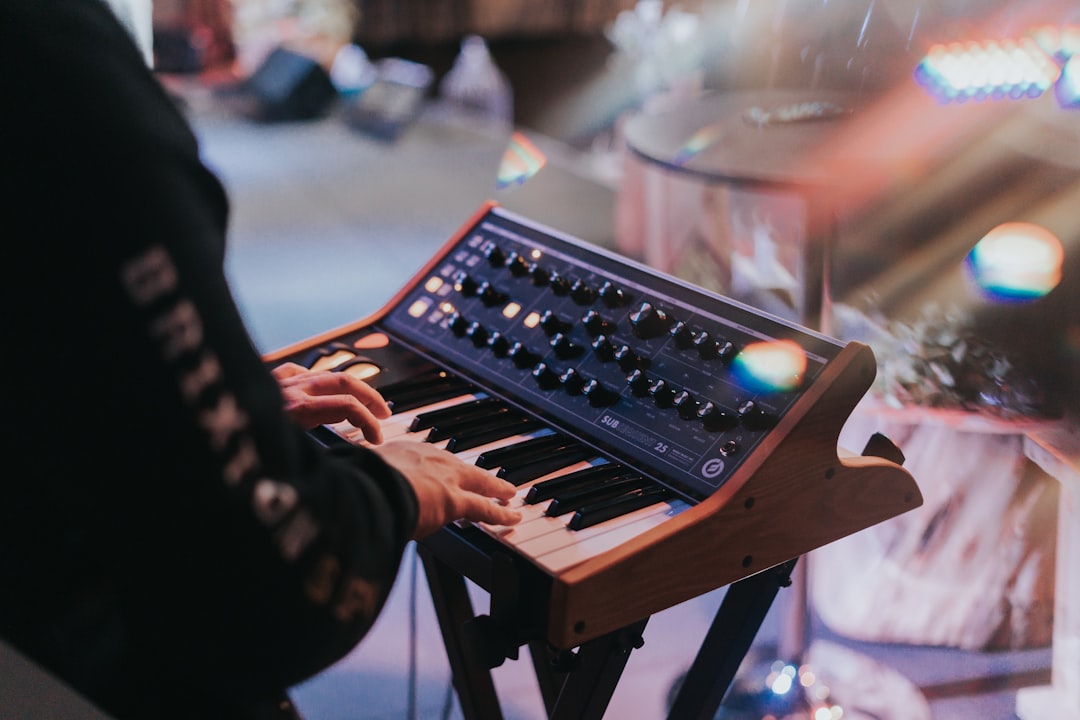
The best free gospel samples come from a mix of producer forums, label freebies, DAW factory content, and the free tiers of subscription libraries. There’s no single magic download that gives you everything, so the real skill is knowing which type of source gives you which sound — Hammond organ swells and Rhodes chords, live-feel drums with pocketed hats, and the big choir and vocal-ad stacks that make gospel feel like gospel. This guide points you at the categories worth digging through and how to use what you find without stepping on anyone’s licence.
Violet Recording is reader-supported — we may earn a commission from links on this page, at no extra cost to you.
The quick list: where to find free gospel samples
- Producer forums and free-pack roundups — the deepest well for niche gospel one-shots and loops.
- Label and producer freebies — demo packs given away to sell the full library.
- DAW factory content — the organs, keys and drums already sitting inside your software.
- Free tiers of subscription libraries — a taste of pro-quality material, with a paid tier waiting when you outgrow it.
- YouTube “free sample pack” channels — hit and miss, but genuinely useful for construction kits.
Below, each of these gets its own section, plus how to tell a good free pack from a throwaway one and what “free” actually means for your licence.
What makes a good free gospel sample pack
Gospel is a performance-heavy genre, so the samples that work are the ones that sound played, not programmed. When you’re sifting through a free pack, listen for a few things. First, the keys and organ hits should carry real dynamics and a little human timing slop — a Hammond with a touch of Leslie wobble beats a stiff, quantised chord stab every time. Second, the drums want that live-kit feel: ghost notes on the snare, hats that breathe, a kick that sits rather than punches through the mix. Third, if there are choir or vocal stacks, check they’re recorded cleanly and dry enough that you can add your own reverb and sit them in your own key.
Format matters too. WAV one-shots and loops labelled with their key and tempo save you hours. A pack that gives you loops and the one-shots that built them (individual organ chords, single drum hits, isolated vocal runs) is far more flexible than a folder of finished loops you can only use as-is. Quality over quantity always wins here — ten genuinely usable organ chords beat a 2GB dump of near-identical stabs.
Producer forums and free-pack communities
The oldest and still one of the best sources is the community. Long-running production forums, subreddits dedicated to sample sharing, and Discord servers built around beatmaking regularly post gospel-flavoured freebies — organ loops, tambourine and clap layers, live drum breaks, and the occasional full construction kit. The upside is variety and the fact that other producers vet these packs in the comments, so you can usually tell what’s worth grabbing before you download. The downside is that quality is uneven and links rot over time, so mirror anything you love to your own drive.
When you browse these communities, search for terms beyond just “gospel” — “praise break”, “shout music”, “church organ”, “choir stack” and “live drums” all surface material that fits the sound even when it isn’t tagged as gospel. A lot of the best gospel textures live under jazz, soul and R&B tags.
Label and producer freebies
Sample labels give away free packs as a shop window for their paid catalogue. Cymatics-style free packs, label sampler bundles, and individual producers dropping a free kit on release day are all reliable ways to get professionally recorded, cleanly edited material for nothing. These freebies tend to be better mixed and better labelled than forum uploads because the whole point is to impress you into buying the full version.
For gospel specifically, look for freebies focused on keys, organ, and live-drum content, and for anything tagged soul or neo-soul, which shares a lot of DNA. Sign up to a couple of label mailing lists and the free packs come to you — most send a free download just for subscribing.
The free samples already inside your DAW
Before you download a single thing, open your own software. Every major DAW ships with organs, electric pianos, drum kits and orchestral tools that get you most of the way to a gospel sound. A stock tonewheel-organ instrument through a Leslie/rotary effect covers your Hammond parts. A built-in Rhodes or Wurlitzer patch handles the gliding chords. Factory live-drum kits and the multisampled grand pianos are often better than anything in a random free pack. If you’re still choosing software, our guide to the best free DAWs for beginners walks through which free options come with the most usable factory content.
Pair that with free instruments and you’ve got a full rig for nothing. See our picks for the best free synth VSTs for pads and the electric-piano-style patches that layer under gospel keys, and the best free drum VSTs for kits you can trigger with your own grooves instead of relying on pre-made loops.
Free tiers of subscription libraries — and when to upgrade
Subscription sample libraries usually offer a free tier or a batch of free monthly credits, which is a low-commitment way to pull a few pro-quality gospel loops and one-shots into a project. It’s genuinely useful for filling a gap — one perfect organ run or vocal ad-lib that you just can’t find free elsewhere.
If you find yourself hunting for gospel material every week, that’s the point where a subscription service like Splice starts to pay for itself: searchable, key-and-tempo-tagged, royalty-cleared content in volume, so you spend your time producing instead of digging. Treat it as the upgrade path once free sources start slowing you down — not as your first stop.
Turning samples into your own gospel track
Samples are raw material, not a finished song. To make a free gospel loop yours, chop it, re-pitch it into your key, and rearrange the parts so the progression is your own. If a loop is stuck together and you want just the organ or just the drums out of it, a stem separator can pull them apart — try our free stem splitter tool to isolate keys, drums or vocals from a mixed loop. From there, layer your own live-feel drums over the top and re-play the chords so the performance carries your fingerprint.
If you’d rather generate original material outright rather than build from someone else’s samples, Solmi can help you sketch a full original track to produce around — a clean way to sidestep licensing questions entirely. Have a look at https://solmi.ai/. For more on the AI route, our roundup of the best AI song generators compares the options, and if you want to sample and re-sequence on the go, see the best sampling apps.
“Free” still means checking the licence
This is the part most producers skip, and it’s the part that matters if you ever release music commercially. “Free” describes the price, not the rights. Almost every free pack ships with a licence, and those terms vary a lot: some are fully royalty-free for commercial use, some are free for non-commercial or personal use only, some require credit, and some forbid redistribution or use in other sample packs. A handful of “free” downloads are really demos of copyrighted material that you’re not cleared to release at all.
So before you build a release around a free gospel sample, read the licence or readme file that came with it, and check the terms on the download page. Choir and vocal recordings deserve extra caution — a lifted vocal run can carry a real performer’s copyright even when the file was free to download. When in doubt, favour packs that state clearly they’re royalty-free for commercial use, keep the licence file with your project, and if a pack ships no licence at all, treat that as a reason to be careful rather than an all-clear.
For more sound-design and sourcing guides, browse the Sound Design hub.
Frequently asked questions
Are free gospel samples royalty-free?
Not automatically. Some are fully royalty-free for commercial use, others are free for personal use only, and a few require credit or ban redistribution. Always open the licence or readme file and check the download page terms before you release a track built on a free sample — the price being zero says nothing about the rights.
What’s the best free source for gospel organ and keys?
Start with your DAW’s own tonewheel-organ and electric-piano instruments run through a rotary/Leslie effect — they’re often better than random downloads. After that, label freebies and producer-forum packs give you played organ chords and Rhodes loops. Search terms like “church organ”, “praise break” and “soul keys” to find gospel-suitable material that isn’t tagged as gospel.
Can I use free samples in songs I sell or release?
Often yes, but only if the licence allows commercial use. Check each pack individually — keep the licence file with your project, favour packs that state they’re royalty-free for commercial release, and be especially careful with vocal and choir recordings, which can carry a performer’s copyright even when the download was free.



