
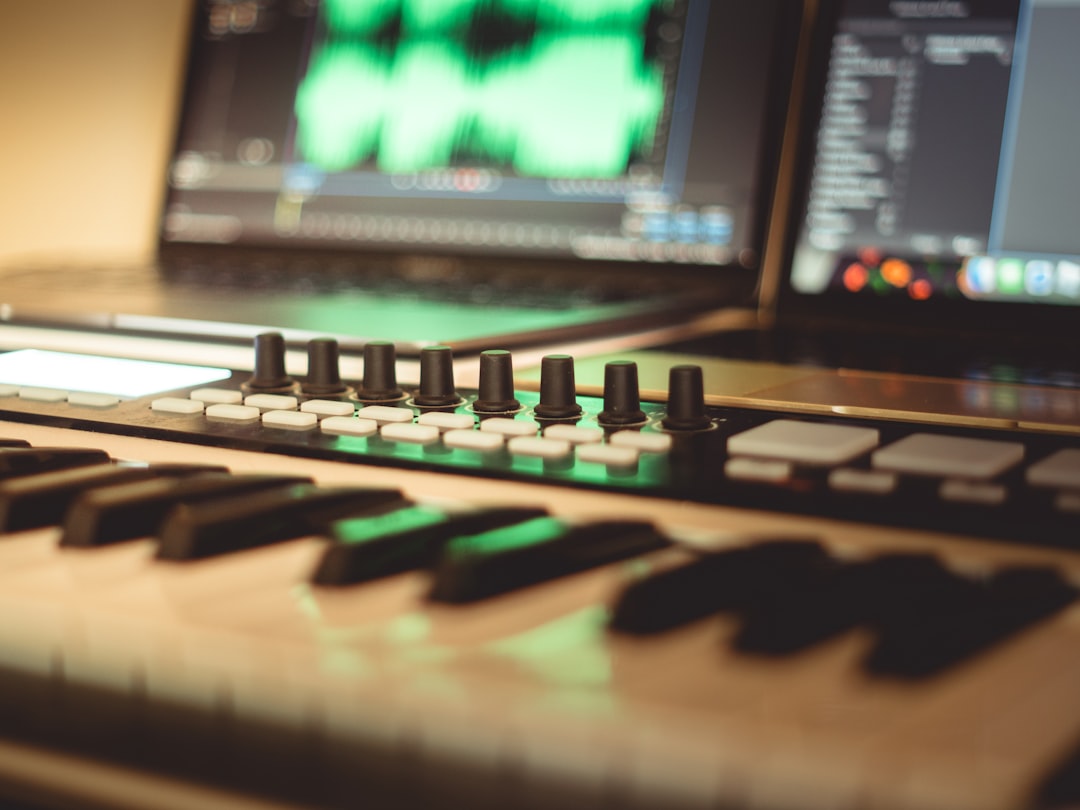
Looking for the best free synth samples? The short answer: start with the freebie sections of the big subscription libraries, add a few well-known label and producer giveaways, and always read the licence before you drop a sound into a release. Below we break down the categories of sources worth your time, what separates a genuinely useful pack from filler, and how to turn those sounds into finished music.
Violet Recording is reader-supported — we may earn a commission from links on this page, at no extra cost to you.
The quick list: where free synth samples actually come from
If you just want somewhere to start digging, these are the source types that consistently deliver:
- Freebie tiers of subscription libraries — services like Splice publish free packs and starter sounds alongside their paid catalogue.
- Producer and studio giveaways — Cymatics-style free sample packs and similar label freebies that you grab with an email address.
- Plugin-maker bundles — synth and effect developers often ship free construction kits and preset-based loop packs to show off their instruments.
- Community and forum shares — long-running producer forums and Discord servers where people trade original sounds.
- Public-domain and Creative Commons archives — big open sound libraries that host user-uploaded synth hits, pads and arps.
None of these is a single magic download. The trick is knowing what each is good for, so let’s go through them.
What makes a good pack of free synth samples
Free does not have to mean throwaway. A pack earns a permanent spot in your library when it ticks a few boxes. First, the sounds are usable in context — a synth stab that already sits well in a mix beats a technically pristine one-shot that fights everything around it. Second, the files are labelled and keyed. A loop tagged with its tempo and root note saves you ten minutes of guesswork every time you reach for it, and it tells you the person who made the pack actually cared.
Third, look for variety within a theme. The most reusable free packs give you a small, coherent kit — a handful of pads, a few plucks, some bass patches and matching arps in the same tonal world — rather than a hundred random blips. Fourth, and most important for anyone releasing music, the licence is clear. A good free pack tells you in plain language whether you can use the sounds in commercial tracks, whether you owe a credit, and whether you can resell or redistribute the raw files (you almost never can).
If a download hides its terms, or the terms read like they were pasted from three different templates, treat that as a red flag and move on. There are plenty of clean sources.
Freebie tiers of the big libraries
The subscription libraries built their reputations on huge, well-tagged, royalty-cleared catalogues — and most of them use free content as a shop window. Splice, for example, regularly puts out free packs and starter sounds so you can hear the quality before you commit to a plan. These freebies tend to be the most reliable option for beginners because the tagging, key detection and loop editing are consistent, and the licensing is spelled out clearly.
The catch is coverage. The free slice is deliberately a taste, not the whole meal, so you’ll find solid individual synth loops and one-shots but not deep, genre-specific collections. That’s fine — grab what’s genuinely useful, and don’t feel you have to hoard every freebie just because it’s there.
Producer giveaways, label freebies and plugin bundles
Beyond the big libraries, a huge amount of quality material comes from producers and companies giving sounds away to build an audience. Cymatics-style free sample packs are the best-known example of this model: you hand over an email, you get a themed pack, and you land on a mailing list that pitches you paid packs later. That’s a fair trade as long as you’re happy with the newsletters.
Synth and effect developers do the same thing. When a company launches an instrument, it often releases a free construction kit or preset pack showcasing what that synth can do — which is a great way to pick up characterful sounds you won’t hear in every other bedroom producer’s track. If you’re building out your instrument collection at the same time, our roundups of the best free synth VSTs and the best free synths for sound design pair naturally with these packs — the plugins let you tweak and re-sample the loops into something of your own.
Community shares and open sound archives
Producer forums, subreddits and Discord communities have quietly traded original sounds for years, and they’re still one of the most underrated sources of unusual, un-overused synth material. The quality is uneven and the tagging is often nonexistent, but you’ll occasionally find a genuinely inspiring one-shot that nobody else in your genre is using. Treat these as crate-digging rather than shopping.
Large open archives — the big Creative Commons and public-domain sound libraries — are the other end of the spectrum. They host enormous volumes of user-uploaded audio, including plenty of raw synth hits, drones and arps. The upside is scale and genuinely permissive licences; the downside is that you’ll sift through a lot to find the gems, and licences vary file by file, so you have to check each one. Which brings us to the part most tutorials skip.
“Free” still comes with a licence — read it
This is the bit that saves you a takedown notice or a demonetised video later. Every free pack, even the most generous, ships with a licence, and “free to download” is not the same as “free to do anything with.” Before you release a track that leans on a free synth sample, confirm three things in the pack’s terms:
- Commercial use — can you use the sound in tracks you sell, stream or monetise? Many free packs allow this; some restrict it to non-commercial or personal use only.
- Attribution — do you owe a credit? Creative Commons “BY” licences require you to name the creator; most subscription-library freebies don’t.
- Redistribution — you almost certainly cannot resell, re-upload or include the raw samples in your own sample pack. Using them in a finished song is fine; passing the files along is not.
Don’t take a forum comment’s word for the licence — go to the source. If a pack is marketed as royalty-free, verify that on the provider’s own page rather than assuming. When terms are ambiguous or missing entirely, the safe move is to skip that sound for anything you plan to release. There’s too much clearly-licensed material out there to gamble on the murky stuff.
Turning free synth samples into finished tracks
Collecting sounds is the easy, dopamine-friendly part; using them well is where tracks actually get made. A few habits make free packs punch above their weight. Resample and mangle — run a free pad through a reverb and re-record it, pitch a stab down an octave, or chop an arp into a new rhythm. A little processing turns a common freebie into something that sounds like yours. Layer, don’t stack blindly — combine a thin free pluck with a warmer sound underneath rather than piling up ten loops and hoping.
Mix them properly, too — a raw one-shot rarely sits right without a little EQ and level work, and our primers on EQ and compression fundamentals and gain staging cover exactly that. If a synth loop arrives buried in a full arrangement and you only want the top line, VR’s free stem splitter can help you isolate it. And if you’d rather generate an original backing idea from scratch instead of hunting for the perfect loop, Solmi lets you spin up a starting track in seconds — solmi.ai is a quick way to get moving when the blank-project screen is staring back at you.
When free runs out: the case for a subscription
Free packs will take a hobbyist a long way, but there’s a ceiling. Once you’re releasing regularly, the time you spend hunting, auditioning and licence-checking scattered freebies starts to cost more than a subscription would. That’s the moment a service like Splice earns its keep: a deep, searchable, consistently-tagged, royalty-cleared catalogue where you can find a specific synth sound in the right key in under a minute, with the licence sorted for you.
You don’t need it on day one. Wear out the free sources first, learn what kinds of sounds you actually reach for, and upgrade when the maths tips over. For more free building blocks in the meantime, browse our free drum VST picks and the best sampling apps, and dig through the rest of the Sound Design hub.
Frequently asked questions
Are free synth samples royalty-free?
Sometimes, but not automatically. “Free to download” and “royalty-free for commercial use” are two different things. Many freebies from major libraries and reputable producers do clear you to use them in commercial tracks, but some free packs are personal-use only or require attribution. Always check the specific pack’s licence rather than assuming, and verify any royalty-free claim on the provider’s own page.
Can I use free synth samples in songs I sell or stream?
Usually yes, if the licence permits commercial use — which many free packs do. Confirm it in the terms before you release. What you generally cannot do is redistribute or resell the raw sample files themselves, or include them in a sample pack of your own. Using a sound inside a finished, original track is the normal, allowed case.
Where should a beginner start looking for free synth samples?
Start with the free packs and starter sounds from an established library like Splice, because the quality and licensing are consistent and clearly explained. Add a couple of producer giveaways (Cymatics-style free packs and similar label freebies) for variety, then explore open Creative Commons archives once you’re comfortable checking licences file by file.



