
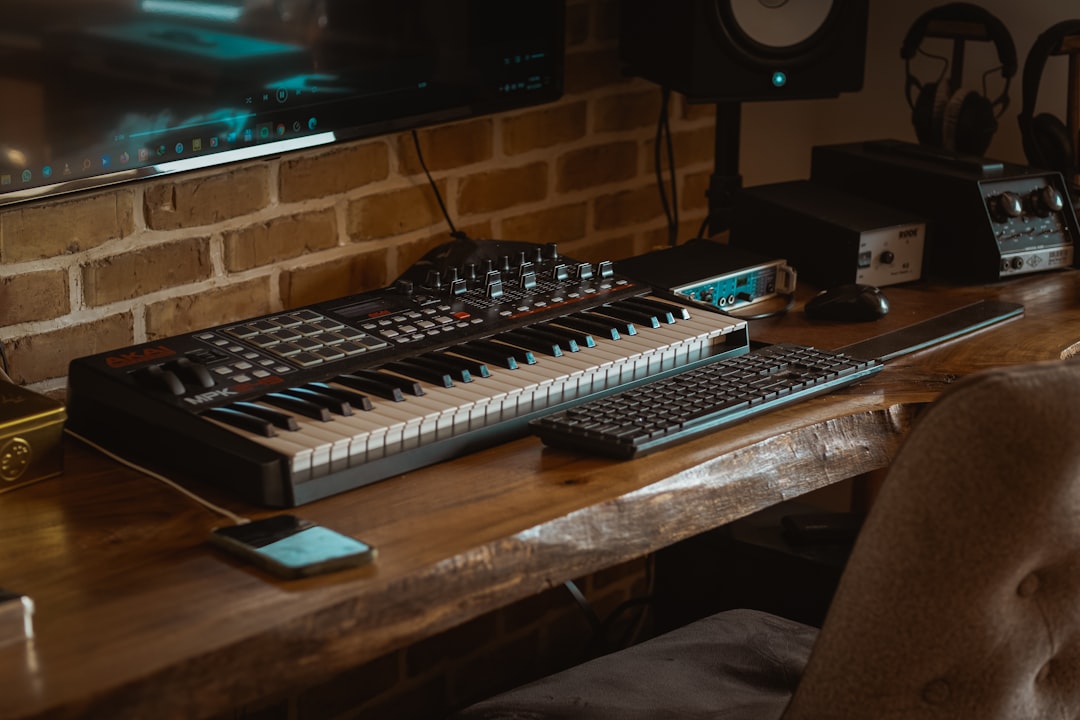
Looking for the best free construction kits to jump-start a beat? Your quickest wins are producer-focused freebie hubs, the free packs sample libraries hand out to pull you in, and the “starter kit” downloads that labels and sound designers release to show off their premium ranges. A good kit gives you a fully arranged song idea — drums, melody, bass and FX already in key and in time — so you can drag it in and start building instead of staring at an empty grid.
Violet Recording is reader-supported — we may earn a commission from links on this page, at no extra cost to you.
The short answer: what a construction kit actually is
A construction kit (sometimes called a “song starter” or “track kit”) is a bundle of stems and loops that all belong to one musical idea. Instead of a folder of random one-shots, you get the kick, snare, hats, bassline, chords, lead and any risers or vocal chops — all recorded at the same tempo and in the same key, and usually split so you can mute, swap or rearrange each layer. That is the whole appeal: the hard part, getting elements to sit together musically, is already done. You just remix, replace and finish.
Free versions of these kits are everywhere, but the quality is all over the place. This guide is about knowing where to look, how to judge a kit before you download it, and how to stay on the right side of the licence so a track you spend weeks on doesn’t come back to bite you.
Where to find the best free construction kits
There’s no single “best” site — the smart move is to pull from a few different types of source, because each one leans toward a different genre and quality bar.
Free packs from the big subscription libraries
The large sample services regularly release free sample packs and starter kits as a taster of their catalogues. Splice, for example, has a rotating selection of free content alongside its paid library, and it’s a reliable place to grab professionally produced, cleanly labelled kits. These freebies are typically well organised — tagged by tempo and key, with the stems already split — so they’re a good benchmark for what a usable kit should look like. Treat them as your quality reference point even if you only ever download the free ones.
Sound-designer and label freebies
Independent sound designers and sample labels give away free construction kits constantly, usually as a shop window for a bigger paid pack. Cymatics-style free packs are the classic example: full download bundles handed out in exchange for an email address, often genre-specific (trap, future bass, lo-fi, house). The catch is you’ll join a mailing list, but the content is frequently excellent because it’s demonstrating what the paid version can do. Search a genre plus “free construction kit” and you’ll surface dozens of these.
Producer forums and communities
Long-running producer forums, subreddits like r/edmproduction, and Discord servers are goldmines for community-shared kits and freebie roundups. The quality is uneven and you have to dig, but you’ll find niche stuff the big sites never touch, plus honest peer reviews telling you which packs are actually worth the download. Community threads are also the fastest way to hear when a label drops a genuinely good free bundle.
Your DAW’s own factory content
Don’t overlook what you already own. Most DAWs ship with construction-kit-style content — Ableton‘s Packs, Logic’s producer kits, FL Studio‘s bundled loops. It’s free with the software, fully licensed for your use, and often better made than random internet downloads. If you’re a beginner, exhaust this before you go hunting.
What makes a good free construction kit
Free doesn’t have to mean low quality, but you do need to filter. Here’s what separates a kit you’ll actually use from one that clutters your drive.
- Properly labelled tempo and key. A usable kit tells you the BPM and the key up front. If a pack dumps unlabelled loops on you, everything you build will fight itself the moment you layer a melody on top.
- Separated stems, not just a full mix. The point of a kit is rearranging it. You want the drums, bass, melody and FX as individual files so you can mute the parts you don’t like and keep the ones you do.
- Clean, dry(ish) recordings. Heavily processed, over-compressed loops are hard to mix into your own track. Kits with a bit of headroom and minimal baked-in reverb give you room to shape the sound.
- A coherent musical idea. The best kits sound like a real song section, not a pile of presets. If the demo makes you nod along, the parts will probably work for you too.
- Format you can actually use. WAV is the safe bet — universally supported and lossless. Be wary of kits offered only as MP3 stems; the quality loss shows once you start layering.
How to use a construction kit without sounding generic
The biggest risk with kits is that hundreds of other producers downloaded the same one. Anyone can drop a kit onto the timeline; the craft is in making it yours. Start by treating the kit as raw material, not a finished track. Swap the stock drums for your own kick and snare. Pitch or chop the melody loop so it’s no longer recognisable. Rearrange the sections — take a two-bar chord loop and re-voice it, or run a bass stem through your own processing chain.
A good habit is to keep maybe one signature element from the kit and rebuild everything around it. Love the chord progression but not the drums? Keep the chords, program fresh percussion, add your own bass. Now it’s a Violet-you track that happened to start from a kit. If you want to pull a specific instrument out of a full loop to isolate and reuse it, our free stem splitter tool can separate a mixed loop into parts. And if you’d rather generate an original musical idea from scratch instead of leaning on a shared kit, Solmi can spin one up for you to build on.
The licence trap: “free” still has terms
This is the part most producers skip and later regret. “Free to download” is not the same as “free to do anything you want with.” Every construction kit — even a giveaway — comes with a licence, and the terms vary wildly from pack to pack. Some allow full commercial release and monetisation on streaming platforms. Others are for personal or educational use only, ban resale, or require credit. A few forbid using the stems in anything you sell or upload for revenue.
Before you build a release around a free kit, read the licence file (it’s usually a text or PDF included in the download, or on the download page). Look specifically for: commercial use, royalty-free status, whether you can monetise streams, and any attribution requirement. Don’t assume — I’ve seen producers pull finished tracks after a label clarified the terms. When a pack is silent on licensing, message the creator or treat it as personal-use-only. Being careful here costs you five minutes and saves you a takedown.
When the free kits run out: going pro
Free construction kits are perfect for learning, sketching and demos. But if you’re releasing regularly, you’ll hit their limits fast: the good free ones get used to death, genres you want aren’t always covered, and licensing is a constant question mark. That’s when a subscription library earns its keep. A service like Splice gives you a huge, constantly refreshed catalogue of pro-quality kits, loops and one-shots with clear, consistent commercial licensing — so you stop worrying about terms and just make music.
You don’t have to choose one or the other. Plenty of producers mine free kits for happy accidents and keep a subscription for the reliable, cleared-for-release material. Either way, the workflow stays the same: start from a kit, then make it unrecognisably yours.
Keep building your free sound toolkit
Construction kits are just one piece. If you’re assembling a no-cost setup, pair them with free instruments and drums so you can replace kit stems with your own sounds. Our guides to the best free drum VSTs and the best free synth VSTs are the obvious next stops, and the best free synths for sound design will help you craft signature textures no downloaded kit can give you. For more roundups like this, browse the Sound Design hub, and if you produce on your phone, check the best sampling apps too.
Frequently asked questions
Are free construction kits royalty-free?
Not automatically. Some are, some aren’t. “Royalty-free” means you pay once (or nothing) and owe no ongoing royalties on use, but plenty of free kits still restrict commercial release or require credit. Always open the included licence and confirm commercial and royalty-free status before you release. If the terms aren’t stated, treat the kit as personal-use-only until the creator confirms otherwise.
Can I sell music made with a free construction kit?
Usually yes, but only if the licence allows commercial use — and that’s the bit you must verify per pack. Many free kits from labels and subscription services permit commercial release; some hobbyist giveaways don’t. The safe practice is to also make the kit your own: chop, re-pitch and rearrange the stems so your track is a genuine derivative work rather than a straight re-upload of someone else’s loops.
What’s the difference between a construction kit and a sample pack?
A sample pack is usually a library of individual, unrelated sounds — one-shots, single loops, drum hits — that you assemble however you like. A construction kit is a single arranged song idea with all its parts (drums, bass, melody, FX) recorded together in one key and tempo. Packs give you building blocks; kits give you a half-finished song you remix into your own.



