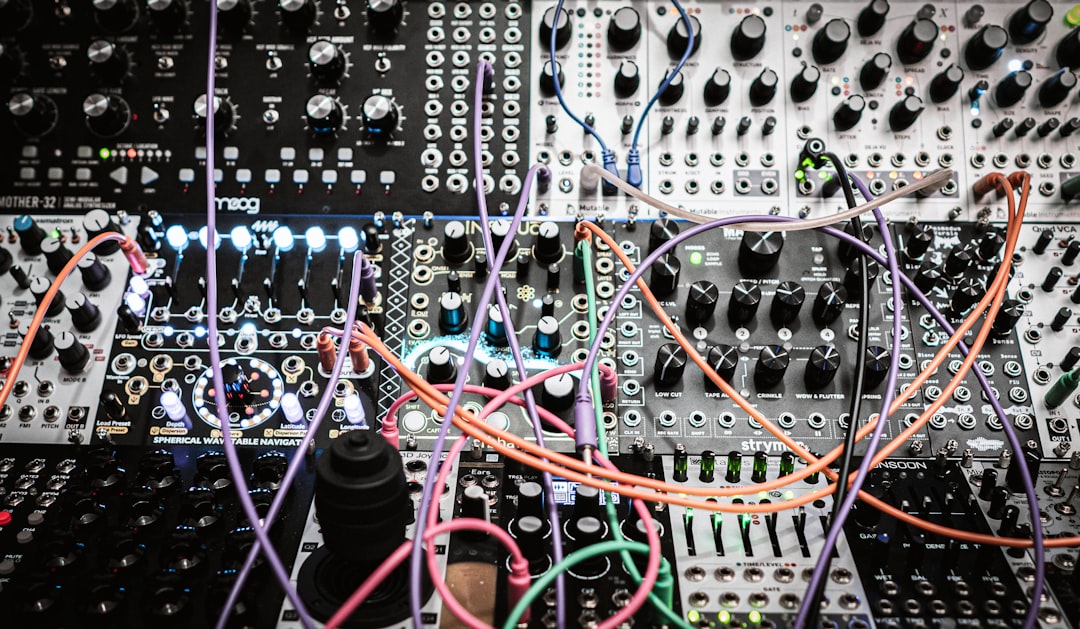
The best hardware synths for beginners share three traits: an approachable panel, a sound you will actually want to use, and enough depth to grow into. If you are searching for the best synthesizer for beginners, a hands-on hardware beginner synthesizer is the fastest way to learn how sound is shaped. This guide names beginner-friendly instruments and shows you how to pick the right first synth without overspending.
Violet Recording is reader-supported — we may earn a commission from links on this page, at no extra cost to you.
Quick answer
For most beginners, a knob-per-function synth like the Korg Minilogue, Arturia MiniBrute or Behringer Model D teaches synthesis fastest, because every control is right in front of you. If budget is tight, the Korg Volca series and Arturia MicroFreak punch well above their size.
What makes a synth beginner-friendly
You learn synthesis fastest when you can see and touch every part of the signal path. Look for:
- One knob per function. Menu-diving hides the cause-and-effect that teaches you how a synth works.
- A clear signal flow. Oscillator, filter, envelope, modulation — laid out left to right. Our explainer on VCO, VCF and VCA will make those panels far less intimidating.
- Forgiving sound. A synth that sounds good with minimal tweaking keeps you motivated.
- Room to grow. MIDI and ideally CV/gate so the instrument stays useful as your setup expands.
If you are still deciding what to buy at all, our companion piece on what your first synth should be is a good next read.
Compared at a glance
| Pick | Why it stands out |
|---|---|
| Korg Minilogue | A four-voice analog polysynth with a logical layout and a small oscilloscope that visually shows what each control does. |
| Arturia MiniBrute | A characterful analog monosynth with a bold filter and a famously aggressive tone. |
| Behringer Model D | A compact recreation of a classic three-oscillator monosynth. |
| Korg Volca series | Tiny, inexpensive instruments — bass, keys, drum and more — with built-in sequencers and sync. |
| Arturia MicroFreak | A hybrid synth with a digital oscillator bank and an analog filter. |
Full picks and details below.
The best beginner hardware synths
Korg Minilogue
A four-voice analog polysynth with a logical layout and a small oscilloscope that visually shows what each control does. You can play chords from day one, which keeps things fun.
The visual oscilloscope and one-knob-per-function panel make it an excellent teaching tool, and four-voice polyphony means you can play chords from the start. It is a forgiving, hands-on instrument that grows with you rather than something you outgrow quickly.
Arturia MiniBrute
A characterful analog monosynth with a bold filter and a famously aggressive tone. Everything is on the surface, so it rewards experimentation.
Everything you need is on the front panel, so it teaches subtractive synthesis directly with no menus in the way. As a monosynth it is built for bass and leads rather than chords, which keeps the learning curve gentle.
Behringer Model D
A compact recreation of a classic three-oscillator monosynth. It is a low-cost way to learn subtractive synthesis with a genuinely fat sound. For more value-focused options, see our budget hardware synths guide.
It is one of the most affordable routes into genuine three-oscillator analog tone, and the desktop format pairs neatly with a MIDI controller. There is no keyboard or patch memory on board, so factor in a controller if you want to play it live.
Korg Volca series
Tiny, inexpensive instruments — bass, keys, drum and more — with built-in sequencers and sync. They are a brilliant, low-risk way to find out which kind of synth you enjoy.
Because each unit is small, cheap and focused, you can pick the flavour that matches your interests and add more later. Their mini keys and compact controls suit sequencing and experimentation more than expressive keyboard playing.
Arturia MicroFreak
A hybrid synth with a digital oscillator bank and an analog filter. Its capacitive touch keyboard and modulation matrix make it a playful, creative first instrument.
The digital oscillators and modulation matrix make it a genuinely creative first synth that encourages happy accidents, while the analog filter keeps the output warm. The capacitive touch keyboard is unusual, so many players add a standard controller for melodies.
How to choose your first synth
With several strong options on the table, the decision comes down to matching the instrument to how you actually plan to make music. Work through these questions before you buy:
- What sounds do you want to make? If you dream of fat basslines and screaming leads, a monosynth like the MiniBrute or Model D is ideal. If you imagine pads, chords and lush textures, you need polyphony, which points you toward the Minilogue.
- How will you play it? Be honest about whether you want to perform on a keyboard or build patterns step by step. Sequencer-led players are well served by the Volca series or a desktop module; keyboardists want built-in keys.
- How much space and budget do you have? Desktop and Volca-sized units fit on a crowded desk and cost less. A keyboard synth takes more room but is more immediate to play.
- What do you already own? If you have a MIDI controller and an interface, a keyboardless desktop synth gives you more synth for the money.
There is no single right answer. The best first synth is the one whose layout invites you to keep turning knobs, because the time you spend playing is what actually builds your skills.
The best synthesizer for beginners, matched to your goal
The quick table above shows what each pick is; this one shows who it suits. Find the row that matches how you want to make music, and you have your shortlist.
| Product | Best for | Key feature |
|---|---|---|
| Korg Minilogue | Chords, pads and keyboard players | Four-voice analog polyphony with a built-in oscilloscope |
| Arturia MiniBrute | Aggressive bass and lead sounds | Bold analog filter with every control on the panel |
| Behringer Model D | Classic analog tone on a tight budget | Three oscillators and a ladder-style filter in a desktop case |
| Korg Volca series | Testing the waters cheaply | Pocket-sized units with sequencers and sync |
| Arturia MicroFreak | Experimental and modern sound design | Digital oscillator modes, analog filter and a mod matrix |
If none of these feel quite right, our wider roundup of the best synthesizers covers more advanced instruments worth growing into, while our guide to the best cheap synthesizers focuses on the lowest-cost ways to get started. Players who want the most hands-on route can also look at the best semi-modular synths, which add patch points without the complexity of a full modular rig.
Hardware or software for a beginner synthesizer?
Software synths are cheaper and endlessly flexible, but a hardware beginner synthesizer gives you a physical control for every parameter, which is what makes the cause-and-effect of synthesis click. Many people learn on hardware and use software alongside it later. Our comparison of hardware vs software synths lays out the trade-offs, and if you are still on the fence, read whether you should buy a hardware synth before you commit.
Common beginner mistakes to avoid
Most first-synth regrets are not about the instrument itself but about how it was chosen. Watch out for these:
- Buying on features alone. A spec sheet packed with oscillators and effects often means deep menus. A simpler synth you understand fully beats a complex one you never learn.
- Overspending too early. You do not need a flagship to learn. The fundamentals you pick up on an affordable synth transfer to anything you buy later.
- Ignoring connectivity. Check for MIDI and, if you plan to expand into modular or drum machines, CV/gate. A synth that talks to the rest of your gear stays useful for years.
- Forgetting how you will record it. A synth with no clean way into your computer becomes a toy. Plan the audio path before you buy, not after.
Keyboard or desktop for a first synth?
If you want to play melodies and chords by hand, choose a model with built-in keys. If you mostly sequence patterns, a desktop unit plus a MIDI controller saves money and desk space. Our desktop vs keyboard synths guide weighs both up.
Recording your first synth
Once you have an instrument you love, route its line output into an audio interface to capture it. The home studio setup hub covers the monitoring and gain basics you will need to record cleanly.
Set your interface input to line level rather than mic level, and watch the meters so the loudest notes stay well below clipping — synths can put out a hot signal, so leave a little headroom. Our walkthrough on how to record a hardware synth covers the connections step by step, and recording each part as a fresh take, rather than relying on the synth’s onboard effects, keeps your options open when you mix.
Frequently asked questions
Should my first synth be analog or digital?
Either works for learning, but a simple analog monosynth makes the basics of subtractive synthesis very tangible. Digital synths add features you can grow into later. If you want to weigh the trade-offs in depth, our analog vs digital synths comparison breaks them down.
Do I need a polyphonic synth to start?
No. A monosynth teaches the fundamentals just as well and often costs less. That said, polyphony lets you play chords immediately, which some beginners find more rewarding. If chords are a priority, browse our pick of the best polyphonic synths next.
Is a cheap synth good enough to learn on?
Absolutely. Affordable instruments like the Volca series or Behringer Model D teach real synthesis. You will not outgrow the skills, even if you later upgrade the gear.
Do I need a computer to use a hardware synth?
No. Most hardware synths make sound entirely on their own, and many include a built-in sequencer so you can write patterns with no computer at all. You only need one when you want to record the audio or sequence the synth from a DAW.
What is the easiest synthesizer for beginners to learn?
A monophonic analog synth with one knob per function, such as the Arturia MiniBrute or Behringer Model D, is the easiest to understand, because every control maps directly to one part of the sound. The Korg Minilogue is equally approachable if you want to play chords, and its oscilloscope shows you what each change does to the waveform.
What is the best cheap synthesizer for beginners?
The Korg Volca series and the Behringer Model D are the standout low-cost options, giving you real hardware synthesis without a large outlay. Both reward experimentation, and the skills you build on them carry straight over to bigger instruments. Our budget hardware synths guide lists more value picks.
Should a beginner synthesizer have a keyboard?
Only if you want to play melodies and chords by hand. If you mostly program patterns with a sequencer, a desktop synth paired with one of the best MIDI keyboards for hardware synths gives you more sound for the money and a full-size keybed.