In the DI vs amp for bass debate, the DI usually wins for home recording. A direct signal is clean, controllable, quiet and easy to reshape later, while a miked bass amp captures real cab and room character but is hard to record well in an untreated room. Many records actually use both, blended together.
Quick answer: record a clean DI as your foundation every time. Add a miked amp (or an amp sim) on top when you want its specific character. At home, DI plus a bass amp sim gives you the cab vibe without the room problems.
What “DI” and “amp” mean for bass
A DI (direct injection) takes the bass signal straight from the instrument into your interface’s Hi-Z input or a DI box, with no speaker involved. An amp tone is captured by miking a real bass cabinet, picking up the amp’s colour plus the room. A third route — and the home-studio default — is a DI run through a bass amp sim, which models the amp and cab in software.
Why the room matters so much for bass
The single biggest reason DI usually wins at home comes down to physics. Low-frequency sound waves are long — a low E on a bass is around forty hertz, with a wavelength of several metres. In a small, untreated room those long waves bounce off parallel walls and build up at some frequencies while cancelling at others, creating room modes. A microphone in front of a bass cab captures all of that, so the recording inherits the room’s lumps and nulls and is almost impossible to fix later. A DI sidesteps the room entirely, which is why it sounds cleaner and more consistent in the spaces most home recordists actually have.
The case for DI
- Clean and controllable — no room modes, no bleed, no mic placement guesswork.
- Repeatable and reampable — you can change the tone or run it through an amp later without re-recording.
- Quiet — no loud cab, ideal for flats and shared spaces.
- Mix-ready with plugins — compression, EQ and a bass amp sim get you a finished tone fast.
For the workflow, see how to record bass without an amp and recording a clean bass DI.
The case for a miked amp
- Real cab movement and air — a moving speaker behaves differently from a modelled one, and some players prefer that feel.
- Natural amp compression and grit — a pushed tube amp like an Ampeg SVT has a character some engineers chase.
- Vibe — for certain vintage rock, soul or live-feel productions, a real rig in a good room is hard to beat.
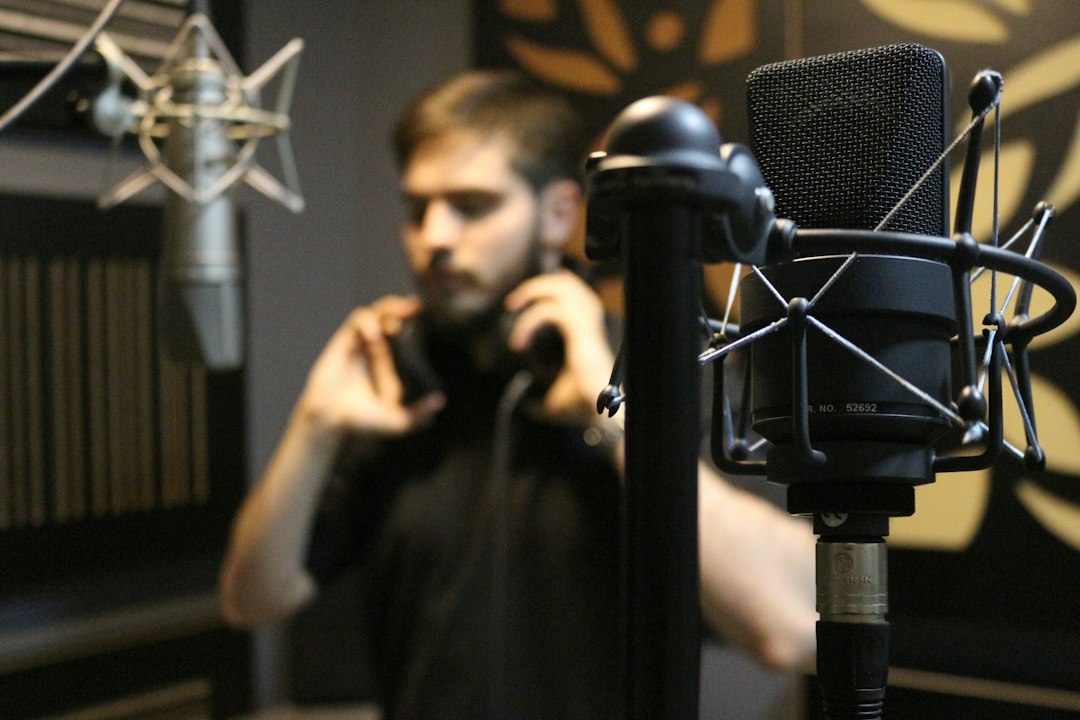
The downsides: low frequencies excite room modes badly, you need a treated room and a good mic, and the take is baked in. Miking a cab well is a skill — many of the same principles from how to mic a guitar cab apply to bass.
DI vs amp for bass: side by side
| Factor | DI | Miked amp |
|---|---|---|
| Room dependency | None | High — needs treatment |
| Control after recording | Total (reamp, swap sim) | Baked in |
| Noise / volume | Silent | Loud |
| Character | From plugins/sims | Real amp + room |
| Best for home studios | Yes | Only with a good room |
Why blending both is the secret
You do not have to choose. Plenty of bass tones are a clean DI for the low-end weight and consistency, plus a miked amp or an amp sim layered on top for grind and movement. Keep the DI handling the sub fundamental and let the amp signal add the upper-harmonic character. If you only have software, a bass amp sim is your “amp” layer — compare options in best bass amp sims.
Where the amp sim fits in
For most home bassists, the “amp” in this debate is not a real cabinet at all — it is a bass amp sim. A sim gives you the amp and cab character of a miked rig, but applied to your clean DI in software, so you keep the DI’s control and add the amp’s voice. This is why the practical answer at home is rarely “DI or amp” and almost always “DI, then a sim that acts as the amp.” Plugins like Neural DSP Parallax, the Darkglass-style suites and IK Amplitube SVX exist precisely to fill the amp role without a room or a mic. Compare them in best bass amp sims.
Reamping: the best of both worlds
Because a clean DI is reampable, you are never locked in. You can send the recorded DI back out through a real bass amp and mic it later, or run it through a different amp sim, all without replaying the part. This is the single biggest reason to always print a DI even when you are committed to an amp tone — it is your insurance policy. The hardware side is covered in do you need a reamp box.
Common mistakes either way
- Not printing a clean DI — even when miking an amp, always capture the DI for safety and reamping.
- Miking bass in an untreated room — low-frequency room modes will wreck a bass cab recording; treat the room or go DI.
- Drowning the DI in distortion — keep the sub clean and blend the dirt, whichever route you take.
- Clipping the input — bass transients are large; leave headroom on the way in.
What to do at home
Record a clean DI through a quality Hi-Z input or a DI box. Then add character with an amp sim or, if you have a treated room and a real rig, blend in a miked amp. Either way you get the best of both: the DI’s control and the amp’s vibe. Finish with how to get a good bass tone.
When a real amp is genuinely worth it
There are real cases for miking a bass amp. If you have a treated room, a great-sounding rig such as an Ampeg SVT, and a track that wants that exact movement and natural tube compression, a miked cab can have a presence and feel that is hard to fully replicate. Producers chasing a specific vintage record sound often go this route. The point is to do it deliberately, with the room and gear to support it, rather than defaulting to a mic because it feels more “real.” For everyone else recording in a bedroom or spare room, the DI plus sim approach will sound cleaner and more professional.
If you’re shopping for a cab to mic or a combo to rehearse through, our guide to the best bass amps for practice and gigs covers sizes from small home combos to rigs that can keep up with a drummer.
Frequently asked questions
Is a DI good enough for bass on a record?
Yes. A clean DI through a bass amp sim or a simple plugin chain is a fully professional, release-ready tone used on countless records. It is also the most controllable option for home studios.
Should I record DI and amp at the same time?
If you have the gear and a treated room, recording both simultaneously gives you maximum flexibility — you can blend them or reamp the DI later. At minimum, always print the clean DI even if you are miking an amp.
Does the DI box matter, or is the interface input enough?
A decent interface Hi-Z input works well for most people. A dedicated DI box can add a little headroom or colour, but it is optional rather than essential for a good DI.