
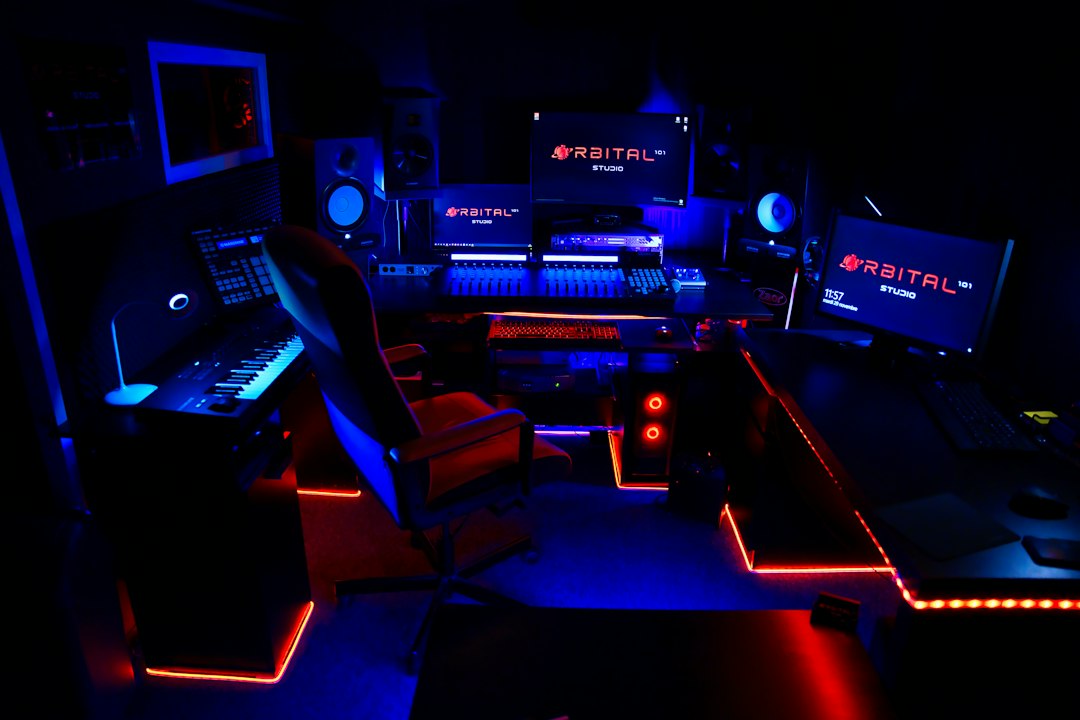
Finding the best headphones for digital piano practice is about more than sound quality. You need something comfortable for an hour of scales, with a cable long enough to reach a piano’s headphone jack and a plug that actually fits it. The headphones bundled with most keyboards are thin and tiring, and a good pair transforms quiet practice, because you finally hear the piano samples the way they were designed. This guide covers eight wired headphones from Yamaha, Roland, Audio-Technica, Sony and AKG, explains who each pair suits, and walks through the connection details that trip people up.
Quick picks
- Best overall: Audio-Technica ATH-M50x
- Best budget: Yamaha HPH-50
- Best for natural, open sound: Yamaha HPH-150
- Best mid-range closed-back: Sony MDR7506
- Best made-for-instruments splurge: Roland RH-300
The 8 best headphones for digital pianos
Audio-Technica ATH-M50x
The ATH-M50x is one of the most widely used studio headphones for a reason. It is closed-back, so it keeps sound in and outside noise out, and its detailed, slightly lively tuning makes piano samples sound full. The cable is detachable, which matters because cables are the first thing to fail on headphones that live next to a piano bench.
Best for: players who want one pair for practice, recording and music listening.
- Pro: detachable cable and robust build
- Pro: full, detailed sound that flatters piano tones
- Con: clamping force and warmth can build up over long sessions
Audio-Technica ATH-M50x on Amazon
Yamaha HPH-50
Yamaha designs the HPH-50 to pair with its own keyboards and digital pianos. It is a compact, light closed-back headphone with a swivel mechanism that lets the earcups turn to fit your ears. It is a clear step up from bundled headphones at a very low cost.
Best for: students and kids on a tight budget.
- Pro: light and easy to wear for younger players
- Pro: low cost from a piano maker
- Con: smaller earcups sit on the ear rather than around it
Yamaha HPH-150
The HPH-150 is Yamaha’s open-air model. Open designs sound more spacious and natural, closer to hearing a piano in a room, and they feel less stuffy over long practice. The trade-off is leakage: people nearby will hear a faint version of what you play.
Best for: adults practising alone who value natural tone and comfort.
- Pro: airy, natural presentation
- Pro: comfortable for long sessions
- Con: leaks sound, so not ideal in a shared room late at night
Roland RH-5
Roland’s RH-5 is an entry-level closed-back monitor headphone aimed at everyday music making, and it pairs naturally with Roland digital pianos. It is light, comfortable, and its balanced tuning does not exaggerate bass the way consumer headphones often do.
Best for: beginners with Roland pianos or anyone wanting a light closed-back pair.
- Pro: comfortable, lightweight closed-back design
- Pro: balanced, musical tuning
- Con: build feels basic next to studio-grade picks
Audio-Technica ATH-M20x
The ATH-M20x is the entry point to Audio-Technica’s M-series. It is closed-back with 40mm drivers and a fixed cable, and it is a dependable, neutral-leaning choice when you want a proper studio brand on a small budget.
Best for: budget buyers who also want to try home recording later.
- Pro: good isolation for the cost
- Pro: trusted brand and simple design
- Con: fixed cable cannot be replaced if it fails
Audio-Technica ATH-M20x on Amazon
Sony MDR7506
The MDR7506 has been a studio and broadcast staple for decades. It is closed-back, folds for storage, and has a long coiled cable that stretches comfortably from a piano to the bench without dangling into the pedals. Its tuning is bright and revealing, which helps you hear the attack of each note.
Best for: players who want a proven, foldable closed-back with a piano-friendly cable.
- Pro: coiled cable suits piano setups
- Pro: folds flat and travels well
- Con: bright treble can tire some ears on long sessions
AKG K240 Studio
The K240 Studio is a semi-open design, sitting between closed and open: more spacious than a closed pair, but leaking less than a fully open one. Its large circumaural earcups and self-adjusting headband make it comfortable for long practice.
Best for: long practice sessions where comfort and a natural sound matter most.
- Pro: very comfortable over long periods
- Pro: spacious, natural piano image
- Con: some sound leakage and a less punchy low end
Roland RH-300
The RH-300 is Roland’s higher-end closed-back monitor headphone, built for instrumentalists. It is a substantial, well-padded design with wide-range drivers that suit the full span of an 88-key piano, from low bass notes to bright upper registers.
Best for: serious players with a quality digital piano who want a headphone to match.
- Pro: full-range sound and sturdy build
- Pro: designed with instrument practice in mind
- Con: heavier and costs more than most picks here
Comparison table
| Product | Best for | Key feature |
|---|---|---|
| Audio-Technica ATH-M50x | All-round use | Closed-back, detachable cable |
| Yamaha HPH-50 | Tight budgets | Light, swivel earcups |
| Yamaha HPH-150 | Natural sound | Open-air design |
| Roland RH-5 | Light closed-back | Balanced tuning |
| Audio-Technica ATH-M20x | Budget studio brand | Good isolation |
| Sony MDR7506 | Piano bench setups | Coiled cable, folding design |
| AKG K240 Studio | Long-session comfort | Semi-open design |
| Roland RH-300 | High-end pianos | Full-range closed-back |
How to choose the best headphones for digital piano practice
Check the jack first. Most digital pianos use a 1/4-inch (6.3mm) stereo headphone jack, often under the front left of the keybed. Many headphones end in a 3.5mm plug with a screw-on or snap-on 1/4-inch adapter. That works fine, but a loose adapter is a common cause of crackling, so make sure it is firmly seated.
Closed, open or semi-open. Closed-back headphones keep sound private and block room noise, which suits shared homes. Open and semi-open designs sound more natural and feel less stuffy but leak sound. Remember that even with headphones on, people nearby will still hear the mechanical thump of the keys, especially on weighted actions.
Keep impedance sensible. Piano headphone outputs are modest. Low to moderate impedance headphones like those above get loud enough easily. Very high-impedance studio models can sound quiet and thin on some pianos.
Prioritise comfort and cable length. Practice sessions run long, so padding, weight and clamping force matter more than in casual listening. A coiled or long cable reaches the bench without pulling on the jack.
Set the volume sensibly. Start with the piano volume low, put the headphones on, then raise it to a comfortable level. Practising for hours at high volume causes listening fatigue and can damage hearing over time. A good rule is that you should still be able to hear someone speaking to you at normal volume. If your piano has a headphone-specific mode or stereophonic optimiser, switch it on; it is designed to make the sound feel like it comes from the instrument rather than from inside your head.
Teacher and student. Many digital pianos have two headphone jacks. If yours has one, a splitter lets two people listen; see our guide to the best headphone splitters. Still choosing the instrument itself? Start with our roundup of the best digital pianos or, for smaller budgets, the best cheap keyboard pianos. If you want more headphone options under a modest budget, our list of the best studio headphones under 100 overlaps nicely, and our guide on how to record piano helps when you are ready to capture your playing.
FAQ
Can I use wireless Bluetooth headphones with a digital piano?
Usually not directly, and it is not recommended. Bluetooth adds latency, a small delay between pressing a key and hearing it, which feels disorienting when playing. Wired headphones have no delay.
Do I need special headphones for a digital piano?
No. Any good wired headphones work, as long as you have the right plug or adapter. Headphones from piano makers like Yamaha and Roland are simply tuned and priced with keyboard players in mind.
Are open-back headphones better for piano?
They often sound more natural and are comfortable for long practice, but they leak sound. If you practise in a shared space or late at night, closed-back headphones are the safer choice.



