
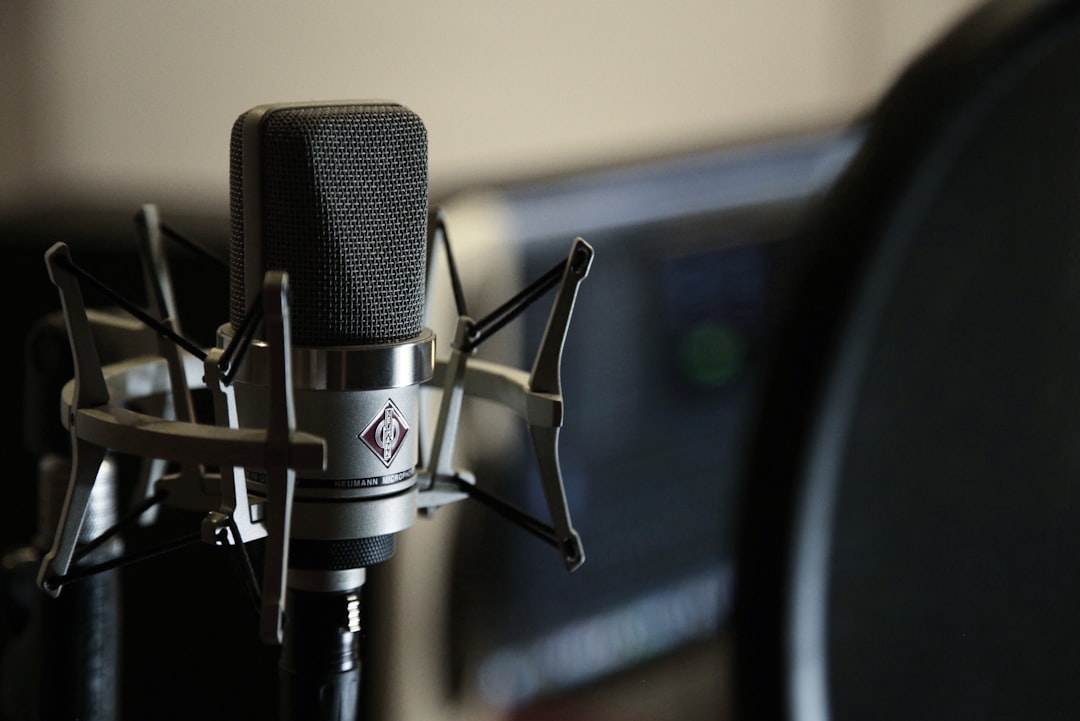
Wondering what is a microphone preamp? In short, a microphone preamp (or “preamp”) is a circuit that boosts the very weak signal coming out of a microphone up to a usable level, called line level, so it can be recorded or sent through the rest of your audio chain. Without one, a raw mic signal is far too quiet to record cleanly.
Every recording you make passes through a preamp somewhere, even if you never think about it. In a home studio that preamp usually lives inside your audio interface.
Why a microphone needs a preamp
Microphones produce a tiny electrical signal, often only a few thousandths of a volt. Recording gear, by contrast, expects a much hotter “line level” signal. The job of a preamp is to bridge that gap by applying gain, raising the level by anywhere from around 20 dB to 60 dB or more depending on the mic and the source.
Quiet sources and low-output microphones, such as passive ribbon mics or the Shure SM7B, demand a lot of clean gain. That is why preamp quality and available gain become a real consideration once you move beyond loud, close-up sources, especially with the kind of low-output dynamic microphones used in studios.
It helps to picture the signal’s journey. The mic turns sound into a fragile electrical signal, the preamp amplifies that signal while the analogue-to-digital converter then turns it into the digital audio your computer records. The preamp sits right at the front of this chain, so anything it does, both the good and the bad, is baked into everything that follows. Get this stage right and the rest of your recording has a clean foundation to build on.
Where the preamp lives in your setup
Most home recordists already own a preamp without realising it. The mic input (XLR socket with a gain knob) on your audio interface is a built-in preamp. When you plug in a microphone and turn up the gain, you are using it.
You will also find preamps inside mixing consoles and in standalone “outboard” preamp units that connect to your interface’s line input. Standalone preamps are popular with engineers chasing a particular tone or needing more clean gain than their interface provides.
Setting preamp gain correctly
Gain is the single most important control on a preamp. Set it too low and you bury your recording in noise; set it too high and you clip and distort. The goal is a healthy signal with comfortable headroom, which is the heart of good gain staging. Aim for peaks landing well below 0 dBFS, leaving room for unexpected loud moments.
If your microphone is a condenser, the preamp section is usually where you also engage phantom power (the +48V button), which the mic needs to operate.
A reliable way to dial it in is to have the performer rehearse at the loudest they will actually sing or play, not a polite test level, then raise the gain until those peaks sit comfortably. On a digital meter, aiming for peaks somewhere around -12 dBFS to -6 dBFS leaves plenty of headroom while keeping the signal well clear of the noise floor. If you are tracking a dynamic performer who swings from a whisper to a belt, lean towards the conservative end so the loud moments do not catch you out.
How to choose a preamp
If you do decide to add a dedicated preamp, a few practical questions will point you to the right one rather than the most expensive one:
- How much clean gain do you need? Low-output dynamic and ribbon mics paired with quiet sources are the clearest case for a high-gain preamp. Loud, close sources rarely need one.
- What character are you after? Decide whether you want the preamp to stay out of the way or to add a recognisable tone. That single choice narrows the field quickly.
- How many channels? Tracking one voice at a time is very different from capturing a drum kit or a band live, where you may need several matched preamps at once.
- How does it connect? A standalone preamp feeds the line input of your interface, so make sure you have a spare line input free to receive it.
Once you know what you are looking for, our roundup of the best microphone preamps is a good place to compare real options across budgets.
Do you need a separate preamp?
For most beginners and intermediate users, the preamp in a decent interface is more than good enough. Modern interfaces from Focusrite, MOTU, Universal Audio and others have quiet, transparent preamps. Consider a standalone unit only when you have a specific reason: you need extra clean gain for a hungry dynamic mic, you want a particular “colour” or character, or you are tracking many sources at once.
Preamps come in broad flavours: clean and transparent (great for accurate capture) and coloured (tube or transformer designs that add pleasing harmonic character). Neither is “better”; they are tools for different jobs.
Clean vs coloured preamps
- Clean/transparent: reproduce the source faithfully. Ideal when you want to shape the sound later in the mix.
- Coloured (tube/transformer): add warmth, saturation or weight. Useful for adding character to vocals, bass and drums during tracking.
Understanding the difference between a preamp’s job and other studio tools also helps. A preamp is not the same thing as a mixer, though a mixer contains preamps. If you are weighing those options, see our guide on audio interface vs mixer.
Common preamp mistakes to avoid
A few habits trip up home recordists more than any gear shortfall ever does. Spotting them early will do more for your sound than a new purchase:
- Chasing a hot meter. Pushing levels close to 0 dBFS leaves no headroom and invites clipping. Modern recording works happily at lower levels, so resist the urge to fill the meter.
- Confusing preamp gain with output volume. Gain sets how hard you drive the recording; your monitoring level is separate. Turning gain up to hear yourself louder is the wrong control.
- Blaming the preamp for room problems. Hiss, boxiness and echo usually come from the room or the mic position, not the preamp. Treat those first.
- Forgetting phantom power. A condenser mic that produces no signal is often simply waiting for its +48V to be switched on.
Frequently asked questions
Is a microphone preamp the same as gain?
Not exactly. The preamp is the circuit; gain is the amount of amplification it applies. You adjust the preamp’s gain control to set how much the mic signal is boosted.
Does a USB microphone need a separate preamp?
No. A USB mic has a preamp and converter built in, which is part of why it is so plug-and-play. For more on the trade-offs, read USB mic vs audio interface.
Will a better preamp make my recordings sound better?
Sometimes, but it is rarely the first thing holding a home recording back. Microphone choice, mic placement and room acoustics usually matter far more than upgrading from a competent interface preamp.
What is the difference between a preamp and an amplifier?
A microphone preamp boosts a very quiet mic signal up to line level so it can be recorded. A power amplifier does a different job further down the chain, driving loudspeakers or headphones. Both apply gain, but they sit at opposite ends of the signal path and are not interchangeable.
A phono preamp is a third, separate job again: it lifts a turntable cartridge’s tiny output and applies RIAA equalisation. If you also play records, our guide to when you need a phono preamp explains how to tell.
Do condenser and dynamic mics need different preamps?
Not different types, but their gain needs differ. Condensers are usually hotter and need phantom power, while many dynamics are quieter and ask for more clean gain. If you are still deciding between the two, our guide to condenser vs dynamic microphones walks through the trade-offs.



