
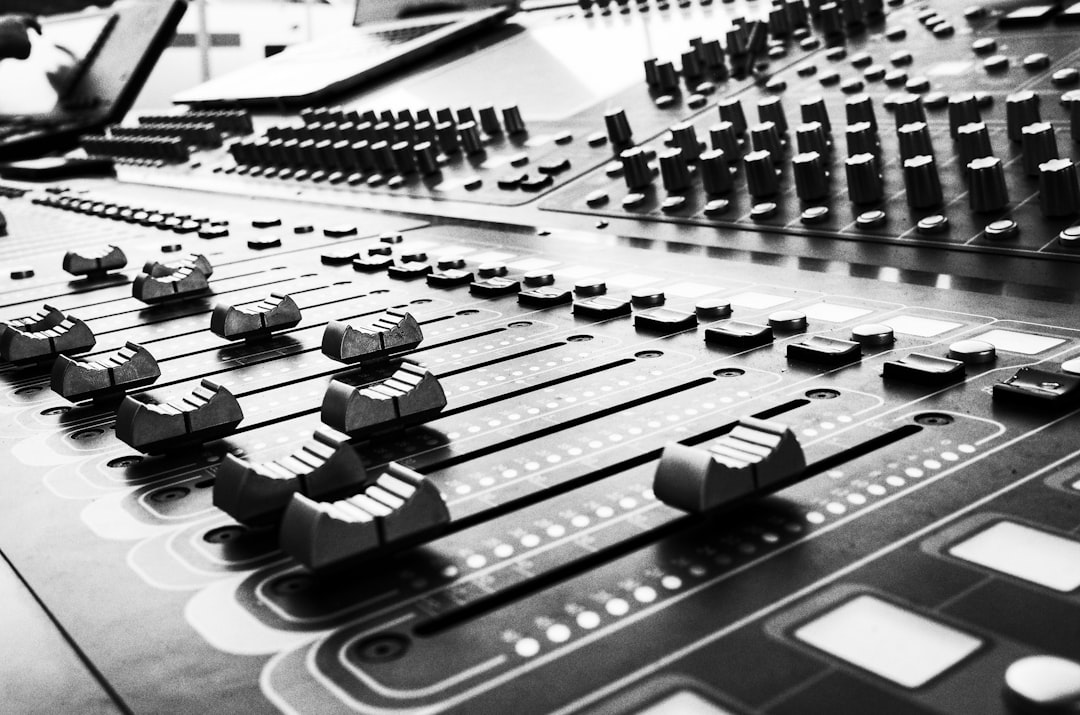
To make a beat, you set a tempo, lay down a drum pattern, add a bassline and a melodic or chord element, then arrange those parts into a song structure and mix them together. You can do all of it in any DAW — FL Studio, GarageBand, Ableton, Logic — with stock sounds and a few free samples. Here is how to make a beat from an empty project to a finished loop you can rap, sing or build a song on.
What you need to make a beat
Less than you might think. A laptop, a DAW, and headphones or monitors are enough to start. A MIDI keyboard or pad controller (like an Akai MPK Mini or an Arturia MiniLab) makes programming faster and more musical, but you can draw everything in with a mouse. If you have not picked a DAW yet, our roundup of the best free DAWs for beginners is a good starting point.
Step 1: Set the tempo and key
Tempo sets the feel. As rough genre guides: boom-bap and hip-hop sit around 80–95 BPM, trap around 130–150 BPM (with half-time-feel hi-hats), and pop or house around 120–128 BPM. If you are unsure what those numbers mean, our explainer on BPM in music breaks it down. Pick a key too — C minor, A minor and F minor are common in beats — so your melodic parts stay in tune with each other.
Step 2: Program the drums
Drums are the backbone, so start here. A basic four-bar pattern:
- Kick on beat 1 (and wherever the groove wants it).
- Snare or clap on beats 2 and 4 — the backbeat.
- Hi-hats as eighth or sixteenth notes to drive the rhythm; vary the velocity so they breathe.
Add small details — an open hi-hat, a percussion hit, a touch of swing — to stop it sounding robotic. In FL Studio, the Channel Rack and Step Sequencer make this fast; in GarageBand, use Drummer or the Beat Sequencer.
Step 3: Add a bassline
The bass locks in with the kick and defines the harmony. Start with the root notes of your chords, keep the rhythm simple, and make sure the bass and kick are not fighting — sidechain or carve the bass slightly where the kick hits if they clash. Getting the two to sit together cleanly is one of the biggest wins for a punchy low end. An 808 is the staple low end for trap and modern hip-hop; a clean sub or synth bass works elsewhere.
Step 4: Add chords and melody
This is where the beat gets its mood. Lay down a chord progression (try a simple i–VI–III–VII in a minor key) on a piano, pad or synth, then write a short melody on top using a lead, pluck, bell or sampled instrument. Keep melodies simple and memorable — a four-bar phrase that loops is plenty. Sampling a chopped vocal or an old record is another classic way in; just be mindful of clearance if you release commercially.
Step 5: Arrange it into a song
A looped four bars is a beat; arrangement turns it into a track. A common layout: intro, verse, hook/chorus, verse, hook, outro. Create contrast by adding and removing elements — strip back to drums and bass in a verse, bring everything in for the hook. Drops, risers and quick fills signal the changes and keep a listener engaged.
Step 6: Mix the beat
Finally, balance everything so it translates. Set levels so the drums hit and the melody sits behind them, pan elements for width, and use EQ to keep each part in its own frequency lane. A little compression on the drum bus adds punch, and light saturation adds warmth. For the fundamentals, see our EQ and compression guide and the wider mixing and mastering hub. If you plan to record over the beat afterwards, our how to mix vocals guide takes it from there.
How to choose your sounds and genre
Before you program a single note, it helps to decide what you are making. The fastest way to learn is to copy a feel you already love. Pick one or two reference tracks in the style you want — a particular trap record, a lo-fi loop, a house groove — and keep them open in your project so you can A/B your beat against them. You are not stealing the parts; you are studying the tempo, the drum sound, how busy the arrangement is, and how loud the low end sits.
Sound selection matters more than most beginners expect. A simple pattern with great-sounding drums beats a clever pattern with thin, cheap-sounding ones. When you audition kicks, snares and hi-hats, listen for samples that already sit well together rather than reaching for EQ to force a match. Layering two kicks — one for the click or attack, one for the body and sub — is a common trick once the basics feel comfortable. Keep a small folder of go-to drum sounds you trust so you are not paralysed by choice every time you open a project.
Common beginner mistakes to avoid
A handful of habits hold most new producers back, and all of them are easy to fix once you know to look for them:
- Loop-itis. Spending hours perfecting an eight-bar loop and never arranging it. Force yourself to build a full structure early, even a rough one.
- Too much, too soon. Stacking five melodic layers before the drums and bass groove. Get the rhythm section solid first; everything else sits on top of it.
- Clashing low end. Kick and bass occupying the same frequencies and turning to mud. Decide which one owns the sub and duck or EQ the other.
- Mixing too loud. Pushing levels until everything clips. Leave headroom on the master so your mix has room to breathe and master later.
- Never finishing. The most useful skill is shipping. A finished average beat teaches you more than ten unfinished perfect ones.
If something sounds wrong but you cannot name it, solo each element in turn and listen on a couple of different systems — headphones and a phone speaker. Problems that hide on studio headphones often jump out on a small speaker.
Frequently asked questions
What is the best DAW for making beats?
FL Studio is hugely popular for beatmaking thanks to its fast step sequencer and piano roll, but Ableton Live, Logic Pro and even free options like GarageBand all make excellent beats. The best DAW is the one you enjoy using, so start with what you have.
Do I need a MIDI keyboard to make a beat?
No. You can draw every note and drum hit in with a mouse. A MIDI keyboard or pad controller just makes the process faster and more expressive, especially for playing in melodies and finger-drumming hi-hats.
How long should a beat be?
A full arranged beat is usually two to three and a half minutes, matching a typical song. While you are learning, focus first on a strong four- or eight-bar loop, then expand it into a full arrangement once it grooves.
How do I make my beats sound less repetitive?
Variation is the cure. Change small things every few bars — drop the hi-hats for a beat, throw in a fill before the hook, mute the bass for two bars, or add an extra percussion hit. Automating the volume or filter on a part across the arrangement also keeps the ear interested without adding new instruments.
Why do my beats sound thin or quiet compared to professional tracks?
Usually it is a mix of weak sound selection and low-level processing. Choose fuller drum and bass samples to begin with, make sure your low end is solid and not clashing, and use gentle compression and saturation to glue the parts together. Loudness comes mostly at the mastering stage, so do not try to fix a quiet beat by simply turning the master up until it distorts.



