
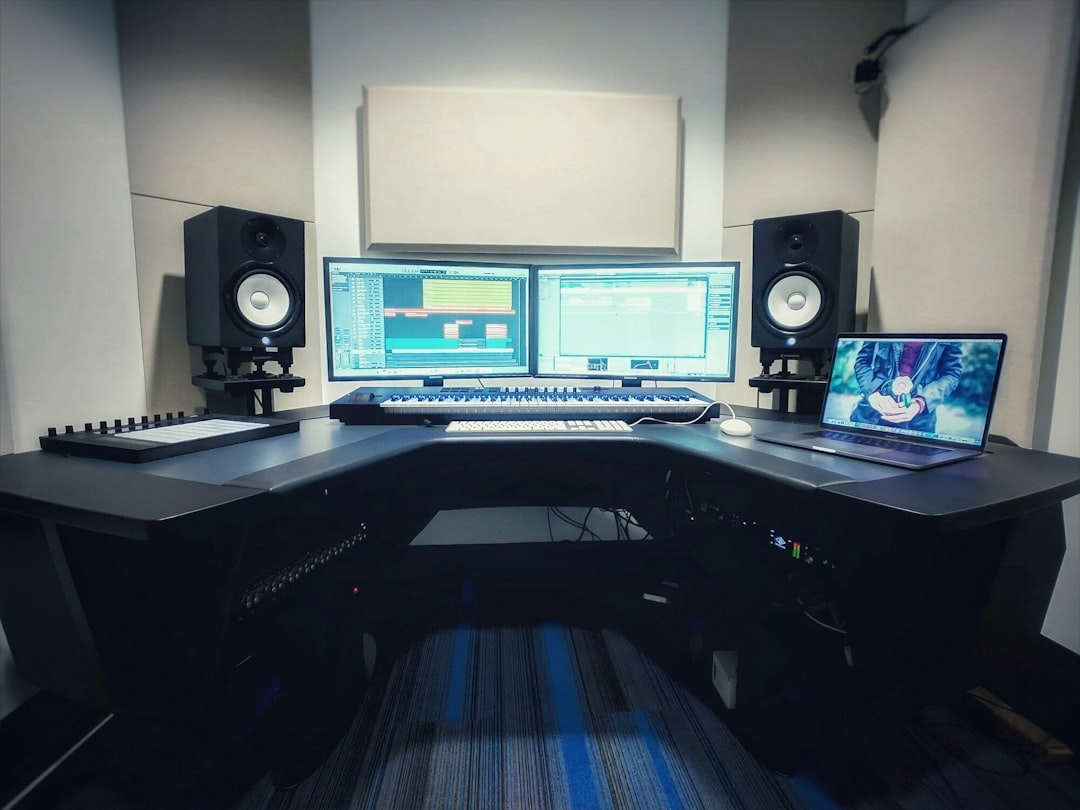
To make metal music you combine down-tuned, palm-muted guitar riffs, fast and precise drums with frequent double-kick patterns, a tight bass locked to the guitars, and vocals that range from melodic to screamed. Tempos commonly run 100–200 BPM depending on the subgenre. Below is a practical, home-studio approach to how to make metal music that sounds heavy and modern.
Metal spans many styles — thrash, death, metalcore, djent, doom and more — but they share the same engine: rhythmic precision and high-gain guitars. Nail the tightness and the heaviness follows. If you came from a more traditional direction, much of the writing approach carries over from making rock music, just pushed harder and tighter.
Choose a subgenre and a reference track
Before you record a note, decide roughly what kind of metal you are making and pull up two or three reference tracks in that style. A doom record and a djent record need almost opposite tunings, tempos and tones, so picking a direction early saves you from a confused arrangement later. Reference tracks also give you a target for tightness, brightness and how much low end the guitars should carry — keep them in your session and compare as you go.
You do not need every subgenre’s signature trick. Pick the two or three elements that define the sound you want — for example down-tuning and breakdowns for metalcore, or blast beats and tremolo riffs for extreme metal — and build from there rather than trying to cram everything into one song.
Choose tuning, tempo and a riff
Tuning drives the heaviness. Standard E works for classic and power metal, but most modern metal drops lower — Drop D, Drop C, or seven and eight-string guitars in B and F#. The lower you tune, the more important tightness becomes.
Tempo varies wildly: doom crawls below 80 BPM, metalcore sits around 120–160, and thrash or death metal can blast past 200. Start with the riff — a palm-muted, chugging pattern of power chords or single notes. The riff is the song, so write something rhythmically interesting before anything else.
Whatever tuning you choose, fresh strings in a heavier gauge help a low-tuned guitar stay tight and in tune. Slack strings buzz, intonate poorly and turn fast chugs into mud, so this small detail has a big effect on the final tone.
Program drums that hit hard and stay tight
Metal drums need to be precise and aggressive. Most home producers use a high-quality sampled metal kit. Key elements:
- Double-kick: rapid alternating kick hits, often in straight sixteenths or galloping patterns, locked to the guitar chugs.
- Blast beats: for extreme metal, alternating kick and snare at high speed.
- Tight snare: a sharp, cutting snare that punches through the wall of guitars.
- China and crash cymbals: for accents and section changes.
Quantise carefully but keep some velocity variation so it does not sound robotic. Program the kick pattern first and write your chugs to match it — when the kick and the palm-mutes land on exactly the same grid, the rhythm section reads as one tight unit. Use our gain staging guide to keep levels clean as the track fills up.
Record high-gain rhythm guitars
Heavy guitar tone comes from tight playing plus a focused high-gain amp, not just more distortion. Palm-mute aggressively and keep your picking hand precise. Double-track the rhythm guitar — record the part twice and pan hard left and right — for the wide, crushing modern sound.
The two takes should be genuinely separate performances rather than a copied-and-pasted track; the tiny differences between them are what create the width. A high-pass filter and a tight low-mid focus keep the tone defined rather than muddy. Amp sims are the standard for home metal production, and one of the best amp sim plugins will get you a convincing high-gain tone without a real cabinet. For mic’d amps, see our electric guitar recording guide.
Lock the bass to the guitars
Bass in metal is felt as much as heard. Play it in unison with the rhythm guitar so the low end is solid, then add a bit of distortion or overdrive so it has grind and cuts through on small speakers. The bass fills the gap below the high-passed guitars.
A useful trick is to split the bass into two layers: a clean low band that owns the sub frequencies and a distorted upper band that carries the grind. That way the bass stays powerful on big speakers and still audible on phones and laptops.
Track vocals: cleans and screams
Metal vocals range from soaring cleans to growls and screams. A dynamic mic handles loud, aggressive performances and rejects room noise. Layer harmonies on clean choruses and consider doubling screams for thickness. Protect your voice — proper screaming technique comes from support, not throat strain. Capture takes cleanly using these vocal recording tips.
Arrange for impact
Contrast makes heaviness land. Use quieter, atmospheric or clean-guitar sections so the heavy riffs hit harder. Breakdowns — slow, syncopated, ultra-heavy sections — are a metalcore and djent staple. Build tension before dropping into the heaviest part of the song.
Mix for clarity in a dense track
The hardest part of metal mixing is keeping everything clear when guitars, double-kick and screams all fight for space. High-pass the guitars and let the bass own the sub frequencies. Use tight EQ and compression to carve room for each element, and gate or sample-replace the kick so each hit is distinct. Start with our EQ and compression fundamentals and the beginner’s mixing guide to get a controlled, punchy result, then dig into our dedicated guide to mixing metal for the genre-specific moves.
Common mistakes to avoid
Most thin or muddy metal mixes come down to a handful of repeat offenders. Watch for these:
- Too much gain: piling on distortion compresses the attack and blurs the chugs. Back the gain off until the palm-mutes sound tight, then stop.
- Sloppy timing: if the guitars and kick are not locked to the same grid, no amount of EQ will make the track sound heavy. Fix the performance first.
- No low-end plan: letting the guitars and bass both fight for the sub frequencies turns the low end to mush. Decide which instrument owns what before you mix.
- Over-quantised drums: stripping out every velocity and timing variation makes programmed kits sound lifeless. Leave a little human movement in.
- Scooped mids: a deep mid scoop sounds huge in solo but disappears in the mix. The midrange is where guitars cut through, so keep it.
Frequently asked questions
What tuning is used for metal?
Standard E works for many styles, but modern metal often drops lower — Drop D, Drop C, or extended-range seven and eight-string guitars tuned to B or F#. Lower tunings sound heavier but demand tighter playing to stay clear.
How do you get a heavy guitar tone?
Heaviness comes from tight palm-muted playing, double-tracked guitars panned hard left and right, a focused high-gain amp tone, and a mix that high-passes the guitars so the bass holds the low end. More distortion alone usually sounds worse, not heavier.
Do I need real drums for metal?
No. High-quality sampled metal drum libraries are the standard in home metal production because they deliver the consistent, precise double-kick and blast-beat sounds that are difficult to record cleanly at home.
How do I make a metal mix sound loud?
Loudness in metal is mostly about control before the limiter. Tighten the low end so the bass and kick are not wasting headroom, carve space with EQ so instruments are not masking each other, and keep your levels clean with good gain staging. A mix that is already clear and balanced can be pushed much louder without falling apart than a muddy one.
Can I make metal entirely in the box?
Yes. A capable amp sim, a sampled drum library, a software bass and a single dynamic mic for vocals are enough to produce a modern-sounding metal track from a home setup. The limiting factor is almost always the tightness of the performances and the mix decisions, not the gear.



