
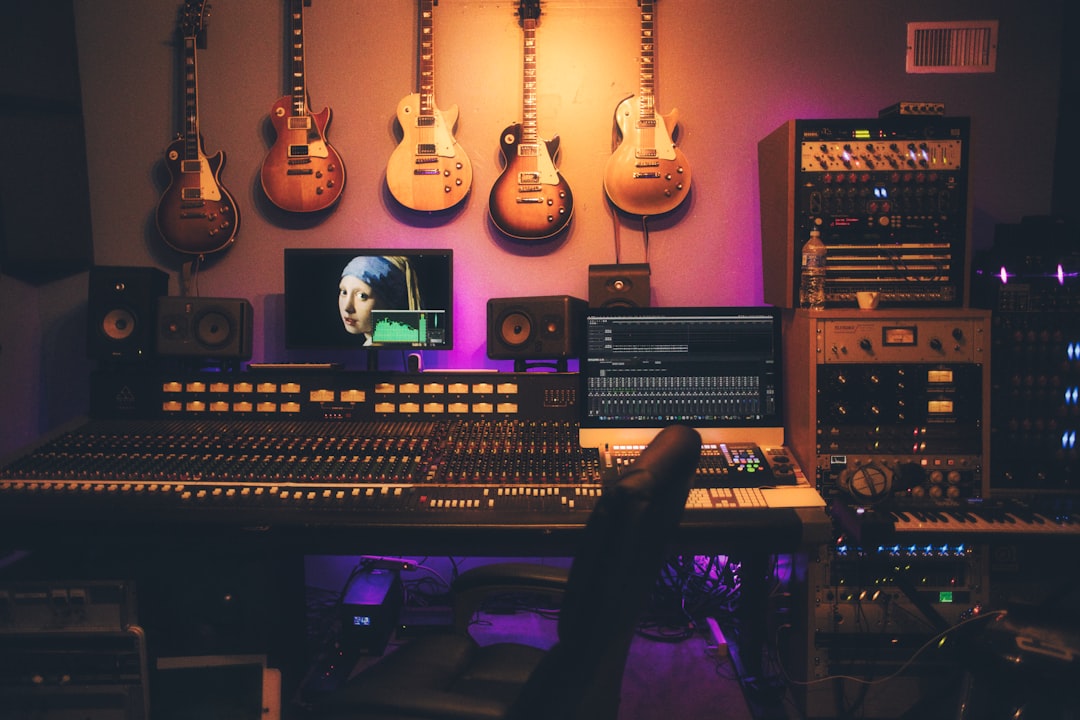
To make rock music you build a song around a tight drum kit, a driving electric guitar, a solid bass line and an upfront vocal, usually at 110–140 BPM in 4/4. The genre lives on energy and contrast, so the production job is about capturing performances that feel powerful rather than perfect. Here is how to make rock music in a home studio, step by step.
Rock is a broad family — from classic and indie to punk, hard rock and alternative — but the core ingredients and workflow are the same. Get the rhythm section right first, then layer guitars and vocals on top.
Start with tempo, key and song structure
Most rock sits between 110 and 140 BPM. Mid-tempo classic rock often lands around 120, punk pushes past 160, and ballads drop below 90. Pick a tempo that matches the energy you want, then choose a key that suits your singer — E, A and D are popular because they let guitars use open strings and power chords.
Structure is usually intro, verse, chorus, verse, chorus, bridge or solo, final chorus. Keep verses slightly sparser than choruses so the chorus feels like a lift. Write the chord progression first, often just three or four chords, and let the riff define the song’s identity.
Build a punchy drum foundation
Drums carry rock. If you are programming them, use a sampled acoustic kit rather than electronic drums, and humanise the timing and velocity so it breathes. A four-on-the-floor or backbeat pattern (kick on 1 and 3, snare on 2 and 4) is the backbone, with hi-hats keeping eighth or sixteenth notes moving.
- Make the snare crack — it is the loudest, most defining hit.
- Keep the kick tight and focused so it cuts through distorted guitars.
- Add crash cymbals at section changes and fills before the chorus.
If you record real drums, mic the kick and snare close, add overheads for cymbals and a room mic for size. Our guide to gain staging will help you set healthy levels before anything else.
Track guitars: rhythm, lead and layers
Electric guitar defines rock. Record a rhythm guitar with power chords or open chords driving the progression, then double it — play the same part twice and pan the two takes hard left and right for a wide, thick wall of sound. Add a lead guitar for riffs, hooks and solos.
Use a slightly overdriven amp tone for verses and a heavier distortion for choruses to build contrast. If you are recording a real amp, see our guide to recording electric guitar for mic placement. Amp sim plugins work well for home setups and keep your neighbours happy.
Lay down bass that locks with the kick
The bass glues drums and guitars together. Play it tight with the kick drum, mostly following the root notes of the chords. A pick gives a brighter, more aggressive attack; fingers give a rounder tone. Add light compression and a touch of overdrive so the bass stays audible on small speakers.
Record vocals with attitude
Rock vocals sit upfront and need character more than polish. Track the lead vocal, then add harmonies or gang vocals on the chorus to make it bigger. A dynamic mic handles loud, belted performances well. See how to record vocals at home and vocal mic placement to capture a clean, controlled take.
Arrange for energy and contrast
Rock production is about dynamics. Strip the arrangement back in verses — maybe just drums, bass and one guitar — then bring in the doubled guitars, harmonies and crash cymbals for the chorus. Silence and space are tools: a quick drop before the final chorus makes the payoff hit harder.
Choosing tone and a workflow that suits your sub-genre
The same building blocks serve every flavour of rock, but the dial settings change. Classic and blues rock favour an amp that is on the edge of breakup rather than fully saturated, so the picking dynamics still come through. Punk leans on fast, flat-out downstrokes with a brighter, fizzier distortion and very little space in the arrangement. Hard rock and metal-adjacent styles push tighter, palm-muted riffing with more gain, but counterintuitively you often want less low end on each individual guitar so the wall of sound stays defined rather than muddy.
Pick a reference track in your target sub-genre before you start and keep it open in your session. Matching its tempo, the brightness of its guitars and the loudness of its vocal will steer dozens of small decisions for you, and it stops a home mix from drifting into a generic, overly polished sound. When in doubt, commit to a tone early rather than recording everything clean and hoping to fix it later — rock thrives on a confident performance into a sound you already believe in.
Common mistakes to avoid
A handful of issues trip up almost every home rock production, and most are easy to fix once you know to listen for them.
- Stacking too many guitars. Two doubled rhythm parts and one lead is usually enough. Pile on four or five layers and the mix turns to mush, with no single part audible.
- Too much gain. Beginners crank the distortion until the guitar loses all definition. Back it off — most great rock tones use far less gain than people expect, which keeps the riff tight and percussive.
- A buried or timid vocal. Rock vocals belong at the front. If you find yourself hiding the take under reverb, the answer is usually a better performance, not more effects.
- Over-quantised, lifeless drums. Snapping every hit dead to the grid kills the swing and push that make rock feel human. Leave a little looseness in.
- Over-compressing the master. Squash it too hard and the energy flatlines. Leave headroom so the choruses can actually feel louder than the verses.
Mix for punch and clarity
Carve space with EQ so guitars and vocals do not fight, keep the drums punchy with compression, and use room reverb sparingly to glue the kit. For the full process start with our beginner’s guide to mixing your first song and the fundamentals of EQ and compression, then dig into our dedicated walkthrough on how to mix rock music. Rock benefits from loudness, but leave headroom — a slightly less compressed master usually feels more alive.
Frequently asked questions
What BPM is rock music?
Most rock falls between 110 and 140 BPM. Mid-tempo rock sits around 120, punk and faster styles push above 160, and ballads slow to 70–90 BPM.
Do I need a real amp to record rock guitar?
No. Amp simulator plugins inside your DAW produce convincing rock tones and are ideal for home studios where volume is a problem. A real amp can sound great, but it is not required to make good rock music.
Why are rock guitars usually doubled?
Recording the same rhythm part twice and panning the takes left and right creates a wider, fuller sound than one guitar can. The small timing and tuning differences between takes add the thick, powerful wall of sound that defines rock.
Should I record drums first or guitars first?
Record the rhythm section first. Lay down a guide track if you need one, then track drums (or program them) and bass before adding guitars and vocals. Everything in rock hangs off the groove between the kick, snare and bass, so getting that locked early gives the rest of the song something solid to sit against.



