
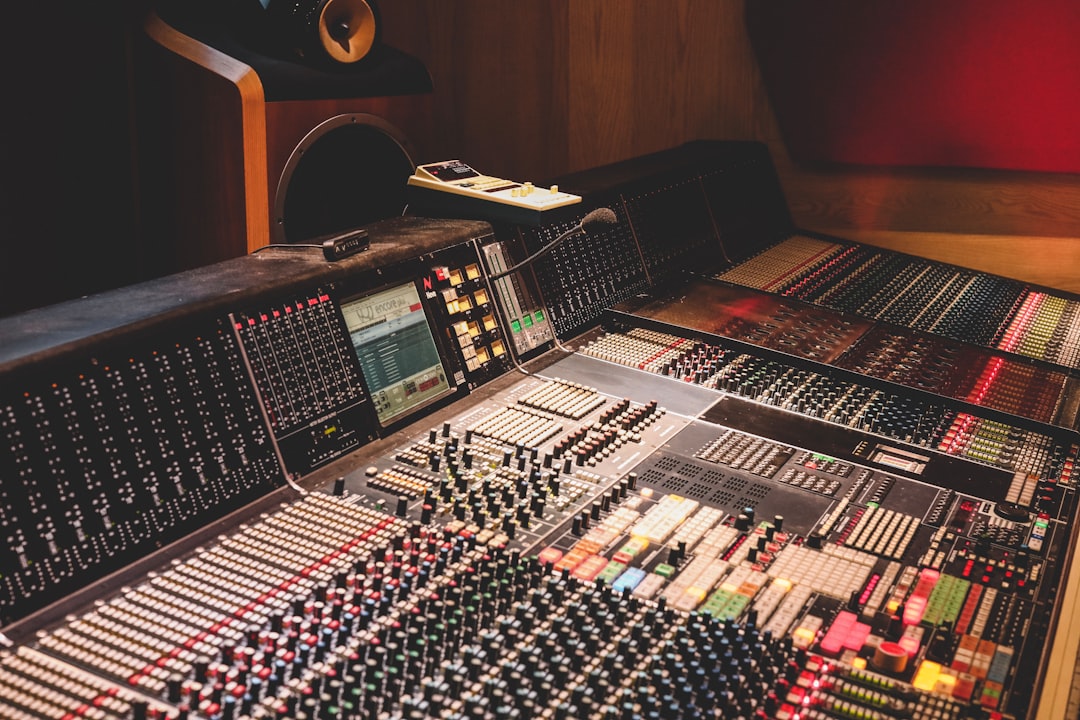
You spend hours perfecting a mix on your monitors, it sounds huge, and then you play it in the car and the vocal disappears, the bass is gone and the whole thing sounds thin. That gap between “great in my room” and “works everywhere” is the problem of mix translation — and it is the skill that most separates hobbyists from working engineers. A mix that translates holds up on laptop speakers, phones, earbuds, car systems and club PAs alike. Here is how to build one, with the specific checks and targets that matter.
Why mixes fail to translate
Two things wreck translation. The first is your room: untreated rooms have bass buildup and nulls that lie to you, so you compensate with EQ that only sounds right in that one spot. The second is tunnel vision on one playback system — if you only ever hear the mix on big monitors, you optimize for a system almost none of your listeners own. Good mix translation comes from removing the room from the equation and from constantly testing on the systems real people use.
You cannot fix what you cannot trust, so start by getting your monitoring honest: pull monitors away from walls, treat first reflection points, and learn your room’s lies by playing reference tracks you know intimately. Everything below assumes your monitoring is at least reasonably truthful.
Reference tracks are non-negotiable
The fastest route to reliable mix translation is A/B-ing against professional mixes in the same genre. Pull two or three commercial reference tracks into your session, level-match them to your mix (this is critical — louder always sounds better, so match loudness before you judge), and switch back and forth constantly. Listen for tonal balance, low-end weight, vocal level and brightness. A reference-matching tool such as iZotope Ozone can even overlay your spectrum on a reference curve, though your ears and honest A/B switching matter more than any match plugin.
The mono check exposes translation problems
Most real-world playback is mono or near-mono: phone speakers, most Bluetooth boxes, club subs, laptop speakers sitting inches apart. If your mix relies on stereo width to sound full, it will collapse on those systems. Sum your mix to mono regularly and confirm:
- The vocal and key elements stay present and do not drop in level (a sign of phase cancellation from over-widening or stereo doubling).
- The low end stays solid — keep everything below roughly 100–120 Hz in mono so bass never cancels.
- Reverbs and wide effects do not swallow the dry signal when summed.
You can run a quick mono fold-down and phase check with the utilities on our free audio tools hub before you commit to a mix. If the mix survives mono, it will translate far better everywhere.
Control the extremes with EQ and filtering
Small systems cannot reproduce deep sub or harsh top, and they exaggerate the midrange. Mixing with that in mind is central to mix translation.
A cheap pair of consumer speakers makes a useful second reference next to your monitors, because it shows you what a typical living room will hear. Our list of the best budget bookshelf speakers is a good place to find one.
- Tame the sub: high-pass the whole mix around 20–30 Hz to remove inaudible rumble that eats headroom, and make sure your bass has harmonic content up around 700 Hz–1.5 kHz so it still reads on speakers with no sub response. A little saturation on the bass generates those upper harmonics.
- Mind the midrange: the 1–4 kHz band carries intelligibility and it is the one region every device reproduces. If your vocal and snare are right here, they translate. Don’t bury this band under guitars and synths.
- Watch harsh highs: earbuds and cheap speakers push 3–6 kHz hard. If your mix is bright on monitors it will be piercing on earbuds. A gentle 1–2 dB dip around 3–5 kHz, or a dynamic de-harsher, keeps it comfortable everywhere. A tonal-balance helper like Gullfoss can gently rein in problem resonances that only show up on certain systems.
Manage dynamics for real-world listening
People listen in noisy environments — cars, trains, kitchens. A mix with a huge dynamic range loses its quiet parts under road noise. Modest bus compression (around 2:1 ratio, slow 30 ms attack, auto or 100–300 ms release, 2–3 dB of gain reduction) glues the mix and keeps levels consistent so nothing vanishes in the noise floor. Control your loudest transients with gentle limiting so the mix holds together when it is turned down. The goal is not loudness — it is consistency, so the vocal is always audible whether the listener is on a laptop or a highway.
Build a translation testing routine
Before you call a mix done, audition it on at least four systems and take notes on each:
- Phone speaker: is the vocal present and the arrangement clear with no low end to lean on?
- Cheap earbuds: is the top end smooth, not piercing? Is the bass balance believable?
- Car: does the low end hold up without booming? (See our guide on why mixes sound bad in the car for the specifics.)
- Laptop or Bluetooth speaker: does it still feel full despite no sub?
Take a break between the mix and the test — fresh ears catch translation problems tired ears miss. When the same balance survives all four systems, you have achieved real mix translation, and that is the mix worth releasing. Translation is not luck; it is a checklist. Honest monitoring, constant referencing, disciplined mono and low-end control, and testing on the systems your audience actually uses will get you there every time.



