
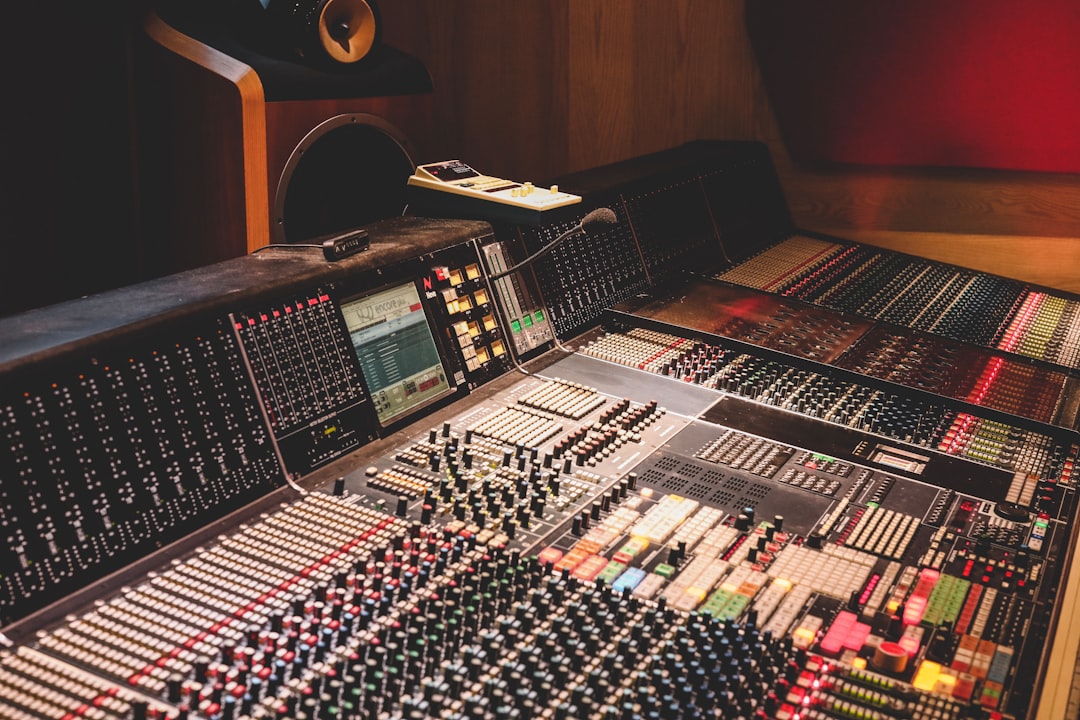
One of the most repeated pieces of pro studio advice is to mix at low volume, and there is solid science behind it. When you turn your monitors down to a quiet, conversational level, your ears hear frequencies more evenly, you make better balance decisions, and you can work for hours without the fatigue that wrecks judgment. Beginners tend to mix loud because it is exciting and everything sounds impressive, but that excitement is exactly what hides the flaws. This guide explains why quiet mixing works, the ideal level to aim for, and how to build a low-volume workflow that translates.
This does not mean you can never turn up. It means your primary balance and level decisions should be made quiet, with loud listening reserved for occasional checks. Get the balance right at low volume and it holds up at every level; get it right only when loud and it falls apart the moment someone plays it softly.
Why you should mix at low volume: the Fletcher-Munson effect
Human hearing is not equally sensitive to all frequencies, and that sensitivity changes with loudness. This is described by the equal-loudness contours, often called the Fletcher-Munson curves. At high volumes your ears perceive bass and treble as relatively louder, so a mix feels big and full and balanced. Turn that same mix down and the bass and highs seem to fall away, exposing whether they were actually there or just flattered by volume.
When you mix at low volume, you are working in the flattest, most honest part of your hearing’s response. Because quiet listening de-emphasizes the extremes, you are forced to get the midrange right, which is where the most important information lives: vocals, snare, guitars, the core of almost every instrument. A mix that sounds balanced and full when quiet has genuinely good midrange and a real low end, not a loudness illusion. That mix will then sound even bigger when you turn it up, rather than falling apart when you turn it down.
The ideal monitoring level
There is a widely cited reference level from film and pro audio: around 83 to 85 dB SPL per speaker is the calibration standard, but that is for large rooms and full-range work, and it is louder than you want for most balance decisions in a home studio. For everyday mixing, aim lower:
- Target roughly 70 to 75 dB SPL for the bulk of your work. The practical test: you should be able to hold a normal conversation over the music without raising your voice.
- Use a cheap SPL meter or a phone app to find that level once and mark your monitor controller position. You do not need lab precision, just consistency so you return to the same level every session.
- Reserve loud checks for short bursts. Turn up to check that the low end has real power and to feel the energy, but make the decision quiet, then turn back down. Prolonged loud listening fatigues your ears and skews the next hour of decisions.
Consistency matters more than the exact number. If you always mix at the same moderate level, you build a reliable internal reference for how loud a vocal or a kick should sit, and your mixes become more consistent from song to song.
How mixing quiet improves your work
- Better level balance. At low volume, anything too loud jumps out immediately and anything too quiet disappears. If your vocal is still perfectly clear and the snare still cuts when the music is barely audible, your balance is genuinely solid.
- Less ear fatigue. Loud listening tires the ears within 30 to 60 minutes, after which you make progressively worse decisions and tend to over-brighten and over-compress. Quiet listening lets you work far longer with reliable ears.
- Honest low end. Because quiet listening does not flatter the bass, you are forced to actually control it with EQ and level rather than leaning on the Fletcher-Munson boost. Mixes made quiet almost always have tighter, more translatable low end.
- Real-world translation. Most people hear music at low to moderate volume, on phones, laptops, and background systems. Mixing quiet means mixing for how your audience actually listens.
- Reveals reverb and effects balance. Reverb and delay tails are among the first things to vanish at low volume, so if your space and depth still read when the mix is quiet, your effects are set at a healthy level rather than drowning the dry signal.
Building a low-volume workflow
Set your default. When you open a session, start with the monitors at your quiet reference level and do all your fader, panning, and EQ balancing there. Only push up briefly to check low-end power, stereo width, or the emotional impact of a chorus, then come straight back down.
Combine quiet mixing with the other translation checks: listen on headphones and a phone speaker, and reference a commercial track at the same low level so you are comparing like for like. If you catch yourself reaching to turn up because the mix is not exciting, resist it. The excitement should come from a balance that is genuinely right, not from volume covering the cracks. For the balance moves themselves, pair this with our guide on how to balance a mix and our overview of EQ and compression fundamentals. You can also grab a free SPL and loudness meter from our browser audio tools to dial in and lock your monitoring level. Train yourself to mix quiet and you will make faster, more accurate decisions and finish mixes that sound great everywhere, not just cranked up in your own room.



