
To treat a vocal space you want to kill the short, hard reflections around the microphone so it captures the voice and not the room. A good vocal recording sounds dry and close, with no boxiness or slap echo baked in — because reverb you record can never be removed, but reverb you add later can always be dialled in. The goal is absorption right where the voice and mic meet.
This is acoustic treatment, not soundproofing. Treating the space controls reflections you hear and record; it won’t stop a lawnmower outside bleeding in. If outside noise is your problem, see soundproofing vs acoustic treatment first.
Why You Treat a Vocal Space at All
A microphone, especially a sensitive condenser, hears every reflection bouncing off nearby walls. In a small untreated room those reflections arrive within milliseconds of the direct voice and cause comb filtering and a closed-in, “small room” tone. Hard parallel surfaces can also create flutter echo, that ringing buzz you hear when you clap. Treating the space means putting porous absorption where those first reflections happen.
The Front and Sides Are What Matter Most
When you sing into a cardioid mic, the most damaging reflections come off the wall behind the mic (the wall you’re facing) and the two side walls. Sound goes past the mic, hits that front wall and bounces straight back into the rear of the capsule. So prioritise:
- The wall you face: a thick absorber here makes the biggest single difference.
- Both side walls at roughly head height.
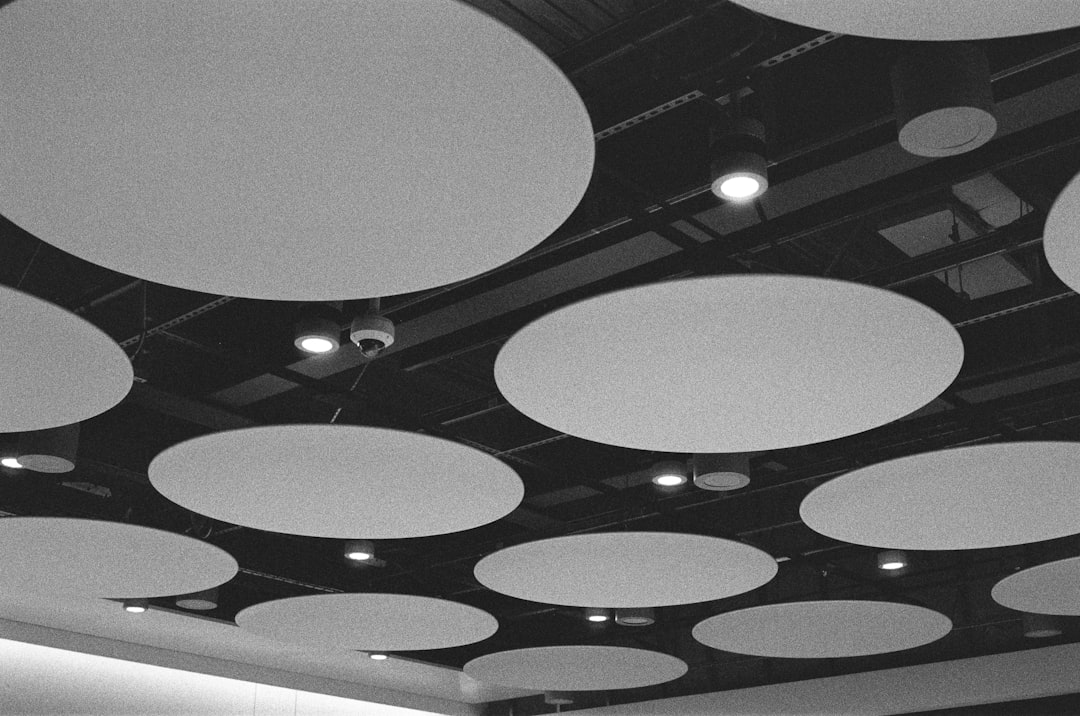
- The ceiling if it’s low, using a small acoustic cloud.
You do not need to wrap the whole room. Concentrate absorption in the area immediately around the singer and mic.
Use Real Absorbers, Not Foam Myths
Effective panels use porous mineral wool or rigid fibreglass — Rockwool (Rockboard) or Owens Corning 703 — at 50–100 mm thick, wrapped in breathable fabric. If you’re unsure which to buy, our comparison of Rockwool vs fiberglass for acoustic panels breaks down the trade-offs. These absorb broadband down through the vocal range. Thin acoustic foam only touches the top end, and egg cartons do essentially nothing. If you want commercial panels instead of DIY, brands like GIK Acoustics, ATS, Primacoustic and Auralex all make broadband absorbers suited to this. To build your own, follow how to build acoustic panels.
Thickness matters more than surface area when you’re chasing the vocal range. A 25 mm panel barely touches anything below a couple of kHz, so a wall covered in thin foam still leaves the lower mids — where a voice has its body and chestiness — bouncing around freely. A 100 mm panel, or a 50 mm panel mounted with an air gap of similar depth behind it, reaches noticeably lower for almost no extra cost. When in doubt, go thicker and use fewer panels rather than thin and many.
Mic Placement Beats Almost Any Treatment
The single cheapest acoustic improvement is moving closer to the mic and away from walls. The closer the voice is to the capsule, the louder the direct sound is relative to the room, so reflections become a smaller part of what’s captured. Get the singer off the back wall, work the mic at a sensible distance and angle, and you’ve already won half the battle. Our guides on microphone placement for vocals and recording vocals at home cover the technique in detail.
How to Choose Your Approach
Treating a vocal space is a series of decisions, not a single purchase. Work through them in order and you’ll spend money only where it earns its keep:
- Start with placement. Before buying anything, move the mic into the room rather than against a wall and aim the singer at the most absorptive surface you already own. This is free and often gets you most of the way.
- Treat the facing wall next. One thick panel on the wall the singer faces does more than three panels scattered randomly. Buy or build that first.
- Add the side reflections. Use the mirror trick: have someone slide a mirror along each side wall while you sit in the singing position. Wherever you can see the mic in the mirror is one of your first reflection points worth covering.
- Address the low end last. Only once the mids and highs are controlled will boom and boxiness stand out, and that is the moment to add corner absorption.
Common Mistakes
Most disappointing vocal spaces fail in predictable ways. Watch for these:
- Over-deadening. Covering every surface kills the room entirely and leaves the voice thin and lifeless. Aim for controlled and dry, not anechoic.
- Treating only behind the singer. A reflection filter on the mic is useful, but it does nothing about the wall the singer faces, which is usually the worst offender.
- Relying on thin foam. It looks like treatment and tames a little harshness, but it leaves the lower mids — the part that makes a small room sound small — untouched.
- Ignoring the floor and ceiling. A bare hard floor and a low ceiling reflect just as readily as walls. A rug and a small overhead cloud both help.
- Confusing it with soundproofing. If your problem is traffic, neighbours or a noisy computer fan, no amount of absorption will fix it.
Quick DIY Vocal Space Setups
You don’t always need a built room. Practical options that genuinely work:
- Panels in a corner: face into a corner with thick absorbers on the two walls in front of you. This is one of the most effective small-room vocal setups.
- A reflection filter / portable shield behind the mic, combined with a thick panel on the facing wall.
- Heavy moving blankets on a frame or stand as a temporary baffle — they help the mids and highs, though they’re weak on lows. See do moving blankets work for acoustics.
- A closet hung with clothing as a makeshift booth — more in our DIY vocal booth ideas.
Avoid over-deadening. If you absorb absolutely everything the voice can sound lifeless and unnatural. Aim for controlled and dry, not anechoic.
Don’t Forget the Low End
Absorbers handle mids and highs, but room bass build-up still colours a voice, especially a deep one recorded near a corner. A couple of corner bass absorbers smooth this out — you can build a bass trap cheaply for exactly this. Read how to treat room corners if low-frequency boom is creeping into your takes.
Frequently Asked Questions
How much treatment do I need to treat a vocal space?
Far less than a full mixing room. A few thick broadband panels concentrated around the mic — the facing wall and both sides — will dry up most small rooms. You’re treating a zone, not the whole space.
Will treating my vocal space stop noise from outside?
No. Absorption only controls reflections inside the room. Blocking outside noise requires mass and sealing air gaps, which is a separate soundproofing job.
Can I just record in a closet?
Often yes. A clothes-packed closet is naturally absorptive and can sound surprisingly dry. Watch the low-end boom and make sure you have enough air and space to perform comfortably.
Is acoustic foam ever worth using for vocals?
It has a place as a finishing touch on the top end, but it should not be your main treatment. A few thick broadband panels will do far more for a voice than a wall covered in thin foam, because the foam barely touches the lower-mid frequencies that make a small room sound boxy.