
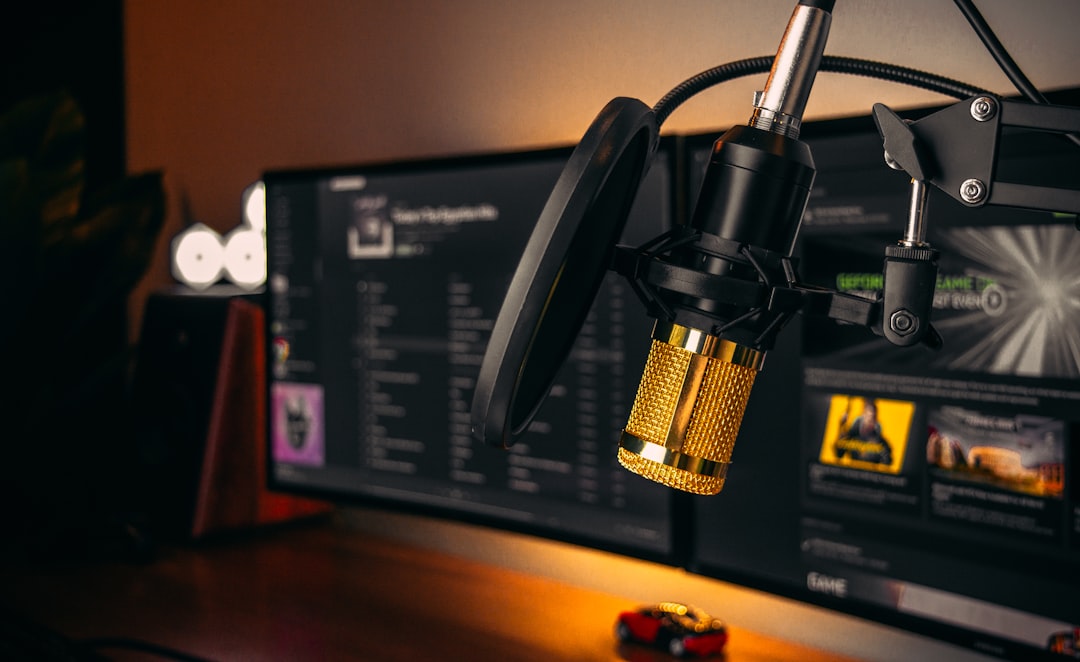
The AT2020 vs AT2035 question comes down to features and size: both are Audio-Technica cardioid condenser microphones aimed at home studios, but the AT2035 is a larger-diaphragm step up with a switchable low-cut filter and a -10 dB pad, plus a slightly lower self-noise. The AT2020 is the simpler, more affordable workhorse that has introduced countless beginners to real condenser recording.
What each microphone is
Both are side-address XLR condensers with a fixed cardioid pattern, and both need 48V phantom power from an interface. The AT2020 is the entry point in Audio-Technica’s studio line; the AT2035 sits a tier above with a larger diaphragm and onboard switches. For background on capsule size, see large vs small-diaphragm condensers.
The key differences
| AT2020 | AT2035 | |
|---|---|---|
| Diaphragm | Smaller capsule | Larger diaphragm |
| Low-cut filter | No | Yes (switchable) |
| Pad | No | Yes (-10 dB) |
| Self-noise | Higher | Lower |
| Included accessories | Stand mount | Shock mount |
| Pattern | Cardioid | Cardioid |
The AT2035’s pad lets it handle louder sources without distortion, and its low-cut helps control proximity-effect bass and rumble. It also ships with a shock mount rather than a basic stand clip — useful, since reducing handling noise matters; see what a shock mount does.
What those switches actually do
The two extra switches on the AT2035 are not gimmicks — they solve real problems you meet in an untreated home room. The low-cut (high-pass) filter rolls off the lowest frequencies before they ever reach your recording. That tames the bass build-up you get when you sing or speak close to the capsule (the proximity effect), and it also helps reject low rumble from traffic, footsteps, air conditioning and desk vibration. If you record close to the mic and your takes sound boomy or muddy, switching the low-cut in often fixes it at the source, which is cleaner than trying to EQ it out later.
The -10 dB pad reduces the signal level before it hits the microphone’s electronics, so the mic can handle very loud sources — a belting vocalist, a guitar cabinet, brass or a snare drum — without the capsule or preamp distorting. On the AT2020 you have neither switch, so you manage loud sources by backing the mic off and lowering interface gain instead. For most spoken-word and moderate singing, you may never touch these controls; but having them means the AT2035 adapts to more situations without buying another mic.
Sound
Both mics share Audio-Technica’s clear, slightly bright voicing. The AT2035’s larger diaphragm and lower self-noise give it a marginally fuller, smoother and quieter sound, which is noticeable on quiet vocal passages and detailed acoustic work. The AT2020 is no slouch — it is detailed and honest — but it has a little more self-noise and less low-end body.
It is worth keeping the difference in perspective. On a loud, up-close source in a treated booth, the two mics are far closer than the spec sheet suggests — many listeners would struggle to pick them apart in a blind test. The gap opens up on quiet, exposed material recorded a little further back, where the AT2035’s lower self-noise keeps the background hiss down and the bigger capsule adds a touch more weight. If your music is intimate — soft vocals, fingerpicked guitar, voiceover — that quieter noise floor is the AT2035’s most meaningful advantage.
Pros and cons
AT2020 pros: excellent value, compact, great first condenser. Cons: no pad or filter, higher self-noise, basic mount.
AT2035 pros: low-cut and pad add flexibility, lower noise, includes a shock mount, fuller sound. Cons: costs more and is physically larger.
Which should you choose?
- Choose the AT2020 if you are on a tight budget, recording vocals or instruments at moderate levels in a reasonably quiet room, and want the most mic for the least money.
- Choose the AT2035 if you record loud sources (the pad helps), want the low-cut filter, value lower self-noise for quiet passages, or appreciate the included shock mount.
Either way, technique matters as much as the mic — see how to record vocals at home and dial in clean levels with gain staging. If you are weighing the AT2020 against rivals outside Audio-Technica, our AT2020 vs Rode NT1 comparison is a useful next read. For more options, browse the microphones category.
Common mistakes with both mics
Whichever you pick, a few habits will hold back the result more than the choice of model ever could. The biggest one is treating the room as an afterthought. Both mics are sensitive cardioid condensers and they will faithfully capture every hard reflection and bit of echo in a bare room. A little absorption behind and around you, or recording into the soft side of the room, does more for clarity than upgrading the mic — and if echo is your main issue, these ways to reduce echo when recording vocals help.
The second mistake is distance and angle. Sitting too far back makes the room louder relative to your voice and pushes you toward more gain and more hiss; getting too close without the low-cut produces boomy, plosive-heavy takes. Aim for a consistent working distance — roughly a hand-span for vocals — with the mic slightly off-axis to soften harsh consonants, and use a pop filter for plosives. Third, people forget that a cardioid mic is side-address: speak into the front face (the side with the badge), not the top, or the sound will be dull and off-axis. Finally, set levels with gain staging in mind — aim for healthy peaks with headroom rather than pushing the meters to the top.
Frequently asked questions
Is the AT2035 worth the extra money over the AT2020?
If you want the low-cut filter, the pad for loud sources, lower self-noise and an included shock mount, yes. If you mainly record vocals at normal levels in a quiet room, the AT2020 already does a great job for less.
Do the AT2020 and AT2035 need phantom power?
Yes. Both are condenser microphones and require 48V phantom power, which your audio interface or mixer supplies. Switch it on before recording and off before unplugging.
Which is better for streaming and podcasting?
Both work well, but the AT2035’s low-cut filter and pad give you more control over room rumble and loud bursts, and the included shock mount reduces desk noise. The AT2020 is a fine, more affordable choice if your space is quiet.
Can I use either mic for recording guitar or other instruments?
Yes. Both handle acoustic guitar, amps and percussion well thanks to their clear, slightly bright character. For loud sources such as a guitar cabinet or a drum, the AT2035’s -10 dB pad gives it an edge by preventing distortion at high levels, whereas with the AT2020 you would simply position it a little further away and keep your interface gain modest.



