
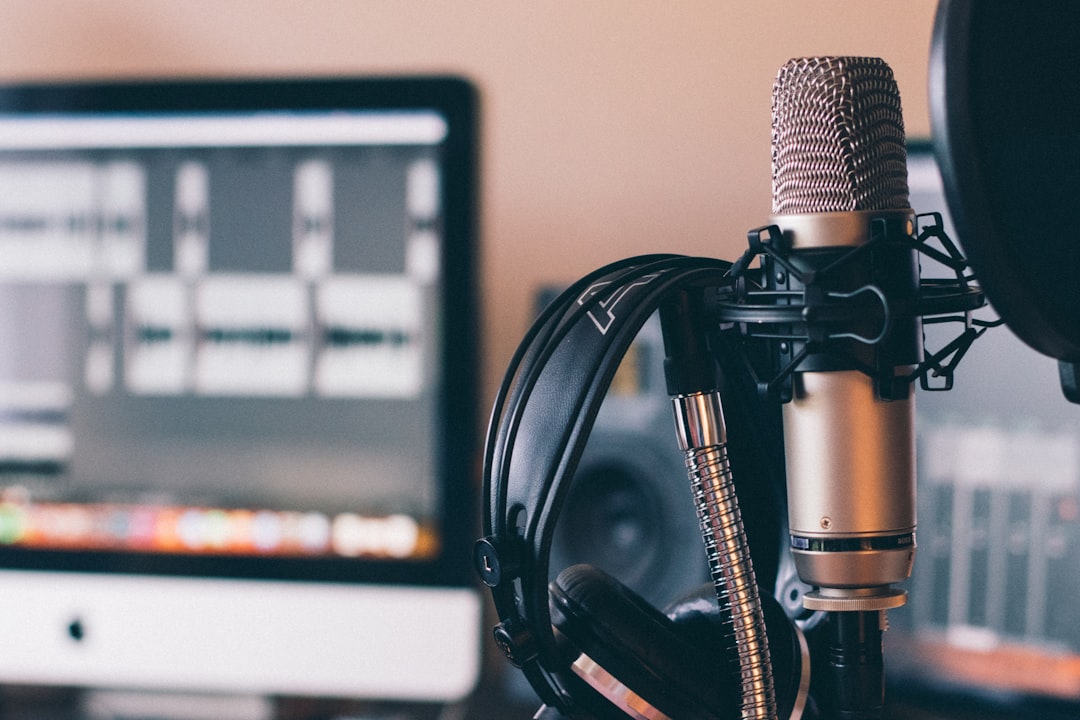
The best microphone for ASMR is a sensitive, low-noise condenser that captures soft, intimate detail — whispers, taps, brushing and crinkles — without hiss. Many ASMR creators go a step further with stereo or binaural mics to create the immersive, around-your-head effect that triggers tingles in listeners.
Quick answer: For mono ASMR, a large-diaphragm condenser like the Audio-Technica AT2020 or Rode NT1 is excellent. For the classic 3D “ear-to-ear” effect, a binaural setup such as the 3Dio Free Space (or a stereo pair) is the way to go.
What makes a microphone good for ASMR
ASMR lives in tiny, quiet sounds, so the mic’s sensitivity and self-noise matter more than anything else.
- Condenser, not dynamic: Condensers are far more sensitive and detailed, which is exactly what soft sounds need. See condenser vs dynamic microphones.
- Low self-noise: Quiet content reveals mic hiss, so look for a low equivalent-noise figure.
- Stereo or binaural: Mono is fine, but stereo (and especially binaural) creates the spatial movement listeners love.
- Diaphragm size: Large-diaphragm condensers give a warm, full sound; small-diaphragm models capture crisp transients like tapping. Our large vs small diaphragm guide explains the difference.
- Phantom power: Most condensers need 48V — see what phantom power is.
Mono ASMR: large-diaphragm condensers
A single high-quality condenser is the simplest, most affordable starting point and sounds great for whispering and close-up triggers. If you’re weighing up options, our roundup of the best condenser microphones covers more picks across budgets.
- Rode NT1: Famous for being one of the quietest condensers around — ideal when every bit of hiss shows.
- Audio-Technica AT2020: A dependable, detailed condenser that’s a long-time favourite for budget creators.
- AKG C214 / Neumann TLM 102: Step-up condensers with refined, smooth detail if you want studio-grade clarity.
You’ll need an XLR interface such as a Focusrite Scarlett to power these and get clean gain. See how to set up an audio interface.
Stereo and binaural: the immersive option
The hallmark ASMR effect — sound that travels from one ear to the other — comes from capturing two channels that mimic human hearing.
- 3Dio Free Space: A dedicated binaural mic with two ear-shaped capsules, designed specifically for ASMR’s around-the-head feel.
- Stereo pair of small-diaphragm condensers (e.g. a matched pair like the Rode NT5s) set up in an X/Y or spaced configuration for a wide, natural image.
- Zoom H-series recorders with built-in stereo mics are a portable, all-in-one entry point.
It helps to understand why binaural works. A true binaural mic places its two capsules where your eardrums would sit, often either side of a dummy head or a moulded set of ears. That captures the tiny timing and level differences between your two ears — plus the way the ear’s shape filters sound — so a listener wearing headphones hears triggers move convincingly from left to right and front to back. Crucially, the effect only survives on headphones; played back on speakers, a binaural recording collapses back to ordinary stereo, which is why ASMR creators almost always remind viewers to wear earphones.
If you opt for a stereo pair instead of a binaural rig, your microphone placement decides the result. An X/Y pair (two capsules close together, angled apart) gives a tight, mono-compatible image that is forgiving and easy to start with. A spaced pair, set further apart, gives a wider, more dramatic stereo field but can sound diffuse if the spacing is too generous. For ASMR, a moderate X/Y or a small spaced setup positioned at head height usually feels the most natural.
How to choose the right ASMR mic for you
The “best” mic depends on the kind of content you make and how you intend to grow. Work through these questions before you buy:
- Mono or immersive? If most of your triggers are whispering and close-up sounds straight to camera, a single condenser is plenty. If ear-to-ear movement and ear-cleaning style triggers are central to your channel, prioritise binaural or a stereo pair.
- How quiet is your space? A low-self-noise mic only pays off in a genuinely quiet room. If your environment is noisy, spend on treatment and a quieter recording time before chasing an expensive mic, and read our tips on how to record in a noisy room.
- USB or XLR? A USB condenser is the fastest way to start with no interface needed, but XLR condensers paired with an interface give you cleaner gain, room to upgrade, and the option to run a true stereo pair later.
- Will you travel or record at a desk? An all-in-one portable recorder suits creators who move around; a fixed desk setup favours XLR mics on stands or arms.
Common ASMR recording mistakes
Most disappointing ASMR audio comes down to a handful of avoidable errors rather than the mic itself.
- Cranking gain to reach a distant mic. Turning the gain right up to capture a faint sound also amplifies hiss and room noise. Move closer and keep gain moderate instead.
- Ignoring the room. Quiet content exposes every reflection, hum and traffic rumble. A bright, untreated room can ruin otherwise lovely triggers.
- Plosives and breath blasts. Whispering close to the capsule sends bursts of air that thump the diaphragm. A pop filter or foam windscreen tames this.
- Clipping the loud triggers. Soft whispers and sharp taps can have very different levels. Set your level for the loudest trigger so nothing distorts, and let the quiet parts sit lower.
- Recording mono when the appeal is spatial. If your concept relies on movement around the head, a single mono mic will always feel flat no matter how good it is.
Getting clean, tingly recordings
- Record in a quiet, treated space — quiet content punishes room noise and reflections. See acoustic treatment for home studios.
- Keep gain moderate and stay close; don’t crank gain to compensate for distance, as that raises noise.
- Use a pop filter or windscreen for breathy, close whispers.
- Monitor with headphones so you hear exactly what listeners will.
- Explore more in the microphones hub.
Frequently asked questions
Do I need a binaural mic for ASMR?
No. A single large-diaphragm condenser produces great mono ASMR. A binaural or stereo setup adds the immersive ear-to-ear movement many listeners love, but it’s an enhancement, not a requirement.
Why is condenser better than dynamic for ASMR?
Condenser mics are much more sensitive and capture fine detail in soft sounds. Dynamic mics are less sensitive and would need so much gain for whispers that hiss becomes a problem.
How do I stop hiss in my ASMR recordings?
Choose a low-self-noise mic, record close so you can keep gain low, and treat the room to reduce background noise. Clean gain from a good interface also helps keep the noise floor down.
Can I record ASMR with a USB microphone?
Yes. A good USB condenser is a perfectly valid starting point and removes the need for a separate interface; our pick of the best USB condenser microphones is a good place to start. The trade-offs are that you usually can’t build a true stereo pair from two USB mics easily, and the on-board gain may be noisier than a quality XLR interface, so monitor carefully and keep levels sensible.



