
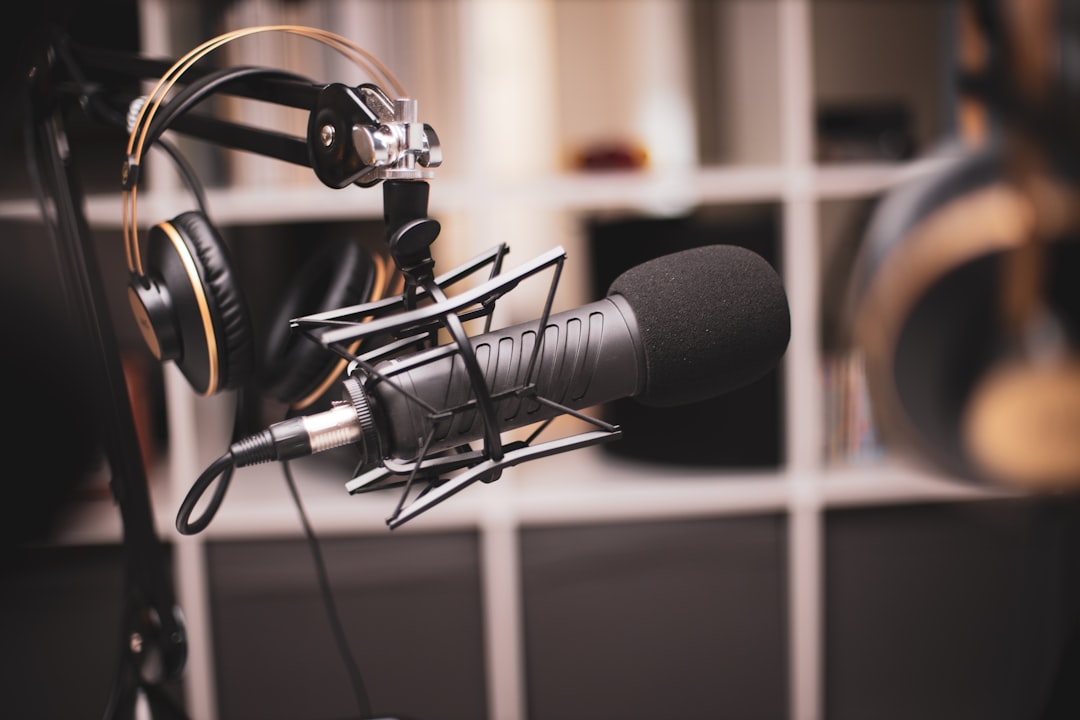
A cardioid microphone is a mic that picks up sound mainly from the front, partly from the sides, and rejects sound coming from directly behind it. The name comes from its heart-shaped pickup pattern (cardioid means “heart-shaped”). This directionality makes it the most popular pattern for home recording, vocals and podcasting, because it captures your voice while ignoring much of the room.
What the cardioid pattern actually does
A microphone’s polar pattern describes how sensitive it is to sound from different directions. A cardioid is most sensitive at the front (on-axis), progressively less sensitive toward the sides, and least sensitive at the rear (around 180 degrees off-axis), where it reaches its null point. Plotted on a graph, that sensitivity traces a heart shape. For the full family of patterns, see microphone polar patterns explained.
The amount of rejection is gradual rather than a hard wall. A cardioid is roughly half as sensitive at the sides (90 degrees off-axis) as it is straight ahead, and far quieter at the rear. That means there is no single “dead zone” you have to find — instead you point the front at what you want and the back at what you don’t. Knowing where the front actually is matters: on most large-diaphragm condensers the live side is the face with the logo or grille badge, and you speak across the broad face, not into the top.
Why cardioid mics are so popular
- They reject room noise. By turning the dead rear toward a fan, a wall or a noisy hallway, you keep that sound out of the recording — a big reason a cardioid is the go-to mic when you have to record in a noisy room.
- They reduce echo. Hearing less of the room means fewer reflections, which is a big help in untreated spaces.
- They resist feedback. On stage, pointing the rear at a monitor speaker reduces howl-round, which is why most live vocal mics are cardioid.
- They focus on one source. Great for solo vocals, voiceover and a single podcast guest.
The trade-offs to know about
Cardioid mics are not perfect. Two behaviours are worth understanding:
- Proximity effect. As you move very close, the low frequencies boost noticeably. This can add warmth to vocals, but it can also make things boomy. A high-pass filter or backing off slightly controls it.
- Off-axis colouration. Sound arriving from the sides is not just quieter, it can also sound a little different in tone. Keep the source in front for the most natural result, which is why good mic placement matters.
Cardioid vs other patterns
Compared with an omnidirectional mic, which hears equally in all directions, a cardioid captures far less room and noise but picks up only one direction well. Compared with a figure-8 (bidirectional) mic, which hears front and back but rejects the sides, a cardioid is better for a single source in a noisy space. There are also tighter variants: supercardioid and hypercardioid reject the sides even more and have a narrower front, at the cost of a small rear lobe of pickup. Many large-diaphragm condensers and most dynamics default to cardioid.
That small rear lobe on super- and hypercardioids is easy to forget. Because some sound still leaks in from directly behind, the quietest spot is no longer the rear but slightly off to each side. If you are placing a stage monitor or a noise source, aim it at that off-rear null rather than straight at the back of the mic. For a plain cardioid, the true null is straight behind, which keeps things simple in a home setup.
How to position a cardioid microphone
Getting the most from the pattern is mostly about aiming the live front at your source and the dead rear at whatever you want to exclude. A few practical habits help:
- Point the back at the problem. Face the rear of the mic toward the loudest unwanted noise — a computer fan, a window onto a street, an air-conditioner — so the null does the work for you.
- Mind the distance. Closer means more proximity-effect bass and a drier, more isolated sound; further away lets in more room. A hand-span or so from the grille is a sensible starting point for spoken word, a little further for a singer with a powerful voice.
- Speak across, not into, the diaphragm. Singing slightly off the centre of the capsule, with a pop filter in between, softens plosives that would otherwise thump a directional mic.
- Stay consistent. Because a cardioid changes tone with distance and angle, drifting around in front of it makes your level and warmth wander. Keep a steady position for an even take.
Common mistakes with cardioid mics
Most cardioid problems come down to a handful of avoidable errors:
- Recording into the wrong side. Speaking into the end of a side-address condenser, or into the back of any cardioid, gives a thin, distant sound. Confirm which face is live before you start.
- Sitting too close and fighting boominess. If your voice sounds muddy and chesty, that is proximity effect; back off a few centimetres or engage a high-pass filter rather than reaching for EQ later.
- Expecting it to fix a bad room. A cardioid reduces reflections but does not remove them. In a very live, echoey space you still want some absorption behind and around you, and a few simple steps to reduce echo when recording vocals make a bigger difference than the mic alone.
- Pointing the dead rear at nothing useful. The null is your best noise-control tool. Leaving it aimed at a blank wall while a fan blows into the live front wastes the pattern entirely.
When to use a cardioid microphone
Reach for a cardioid mic when you are recording one source and want to keep the room out of it — solo vocals, voiceover, a single podcast host, or close-miking an instrument. It is the safest default for an untreated home studio. If you need to capture a whole room, a choir or natural ambience, an omni or stereo setup serves better. Whether your mic is a condenser or dynamic affects how much room sneaks in too; see condenser vs dynamic microphones, and browse our full microphones guides for more.
Frequently asked questions
Is a cardioid microphone good for vocals?
Yes. The cardioid pattern is the standard for vocals because it focuses on the singer in front while rejecting room noise and reflections behind the mic, giving a cleaner, more present recording in most home setups.
What is the difference between cardioid and omnidirectional?
A cardioid mic picks up mainly from the front and rejects the rear, which suits a single source in a noisy room. An omnidirectional mic captures sound equally from all directions, which suits room ambience or recording several people around one mic in a quiet space.
What is proximity effect on a cardioid mic?
Proximity effect is the boost in low frequencies you hear as you move very close to a directional mic like a cardioid. It can add warmth to vocals but cause boominess if you are too close. Use a high-pass filter or back off slightly to manage it.
Where is the dead spot on a cardioid microphone?
On a true cardioid the null is directly behind the mic, at 180 degrees from the front. Point that rear at the loudest noise source to reject it. On supercardioid and hypercardioid mics the quietest spots sit slightly to each side of the rear instead, because a small lobe of pickup remains directly behind.



