
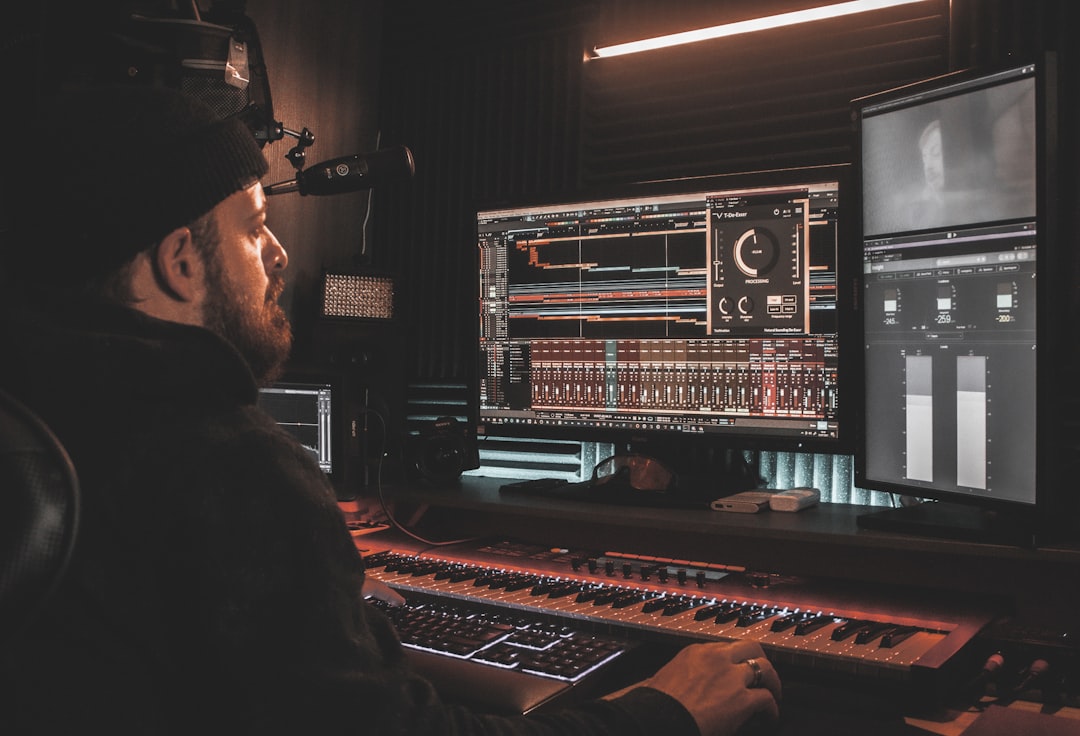
The best microphone for singing depends less on chasing a famous model and more on matching the mic to your voice, your room, and the rest of your setup. For most home vocalists a large-diaphragm condenser on XLR is the classic choice, but a good dynamic mic can sound better in an untreated room, and a quality USB mic gets you recording today.
Below we cover how to pick the best mic for singing for your voice and budget, what makes a good mic for recording vocals at home versus on stage, and five picks that suit the most common setups.
In a hurry? Jump to our microphone picks — or read on for the full breakdown.
Quick answer
- Treated room, detailed pop/acoustic vocals: large-diaphragm condenser (XLR).
- Untreated/noisy room, podcasting, loud rock vocals: dynamic mic (XLR).
- No audio interface yet, want simplicity: USB condenser.
- Budget: you can get a genuinely usable vocal mic for less than the cost of a night out — spend the rest on the room.
How to choose a microphone for singing
Before you look at any model, get clear on four things: the mic type, the connection, the polar pattern, and your room. Those decide more about your final sound than the brand on the badge.
Condenser vs dynamic
This is the first fork in the road. Condensers are sensitive and detailed, capturing air and breath that make studio vocals feel polished — but they also pick up your room, your fridge, and the street outside. Dynamics are less sensitive and more forgiving, which is why they shine in rooms with no acoustic treatment and on louder voices. If you are unsure, read our breakdown of condenser vs dynamic microphones before you buy.
Among condensers there is a further choice between large-diaphragm and small-diaphragm condensers. For lead vocals, large-diaphragm is the standard — it tends to flatter the voice and handle low-end warmth well.
USB vs XLR
A USB mic plugs straight into your computer and needs nothing else, which makes it the fastest route to recording. An XLR mic needs an audio interface (and often phantom power for condensers), but it gives you better preamps, room to upgrade, and the ability to add more mics later. If you are weighing the two paths, our guide to USB mic vs audio interface walks through the trade-offs.
Polar pattern
For singing you almost always want a cardioid pattern, which picks up the sound in front and rejects what is behind and to the sides. That rejection is what keeps your room and your screen reflections out of the recording. Some condensers offer switchable patterns (omni, figure-8), but for solo vocals cardioid is the workhorse. Our guide to microphone polar patterns explains when the others are useful.
Your room matters more than the mic
This is the part most beginners skip. A sensitive condenser in a bare, echoey bedroom will sound worse than a cheap dynamic in the same room. If your space is untreated, either lean toward a dynamic mic or budget for some acoustic treatment. Once the mic is sorted, technique closes the gap — see microphone placement for vocals and our full walkthrough on how to record vocals at home.
Match the mic to your voice
Different voices suit different mics. Bright or thin voices often sound best on a smoother, darker mic, so a dynamic or a warmer condenser can tame harshness. Darker or breathy voices tend to benefit from a condenser with a little presence lift that brings out detail and articulation. Very loud, belted vocals call for a mic that handles high sound pressure without distorting — dynamics excel here, and many condensers include a pad for the same reason. If you can, try two contrasting mics on the same phrase before committing; the right choice is often obvious on playback.
Studio vocals vs live singing
A mic for recording vocals and a mic for singing live are not always the same tool. In the studio, sensitivity and detail are an advantage. On stage, you need feedback rejection, durability and handling-noise control, which is why handheld dynamics dominate live vocals. If you mainly perform, see our best microphones for live vocals; if you mainly record, our best microphones for recording vocals at home goes deeper on studio options.
Singing for fun at home is a third case, where convenience matters more than studio detail. For that, our roundup of the best karaoke microphones covers wireless and Bluetooth models that work straight out of the box.
Accessories you will actually need
A bare mic is rarely enough. Budget for these from the start so you are not chasing them later:
- Pop filter: tames plosives (“p” and “b” blasts). Cheap and essential.
- Shock mount: isolates the mic from desk and floor thumps. See what a shock mount does.
- Stand and a decent XLR cable (for XLR mics).
- Audio interface with phantom power if you are going the XLR condenser route.
For specific recommendations, see our guides to the best pop filters and the best audio interface for singers.
If you are choosing a mic as a present, our guide to gifts for singers puts it alongside other ideas vocalists will use.
Compared at a glance
| Pick | Why it stands out |
|---|---|
| Audio-Technica AT2035 | The Audio-Technica AT2035 is a large-diaphragm cardioid condenser that is widely recommended as a versatile home… |
| Shure SM58 | The Shure SM58 is a cardioid dynamic mic that is a long-standing industry standard for vocals, both live and in the… |
| Audio-Technica AT2020USB+ | The Audio-Technica AT2020USB+ is the USB version of a popular studio condenser, putting the capsule, preamp and… |
| Behringer XM8500 | The Behringer XM8500 is a cardioid dynamic vocal mic that is a popular pick at the very bottom of the budget. |
| Rode NT1 | The Rode NT1 is a large-diaphragm cardioid condenser known for its exceptionally low self-noise and a smooth,… |
Full picks and details below.
Which mic for singing suits you?
Use this quick guide to narrow the list before reading the full picks. Each mic is matched to the situation it handles best rather than ranked on specs alone.
| Mic | Best for | Key feature |
|---|---|---|
| Audio-Technica AT2035 | Home studio vocals in a treated room | Large-diaphragm condenser with pad and high-pass filter |
| Shure SM58 | Untreated rooms, live singing, loud styles | Rugged dynamic with strong room rejection |
| Audio-Technica AT2020USB+ | Beginners with no interface | USB plug-and-play with zero-latency headphone monitoring |
| Behringer XM8500 | The tightest budgets | Cardioid dynamic, no phantom power needed |
| Rode NT1 | Serious vocalists upgrading | Very low self-noise, smooth detailed top end |
Want more options in one category? Compare our best dynamic microphones for vocals and best condenser mics under 200.
Best microphone for singing: our picks
The categories below cover the situations most home vocalists fall into. Each one is chosen to match a real-world need rather than to chase specs on paper.
Best overall vocal condenser (XLR)
The all-rounder for a treated home studio: a large-diaphragm cardioid condenser that flatters most voices and gives you that detailed, modern pop/acoustic sound. This is the pick if you have an interface and at least some room treatment.
Audio-Technica AT2035
The Audio-Technica AT2035 is a large-diaphragm cardioid condenser that is widely recommended as a versatile home vocal mic. It offers a detailed, modern sound with low self-noise, a switchable high-pass filter and pad, and it ships with a shock mount. It is a great fit for singers who have an audio interface with phantom power and at least some room treatment, and who want a polished pop or acoustic vocal.
Best dynamic for untreated rooms
If your room is bare and reflective, or you are recording loud or close-up, a cardioid dynamic mic rejects far more of the room and is much more forgiving. Also a strong choice for vocalists who double as podcasters.
Shure SM58
The Shure SM58 is a cardioid dynamic mic that is a long-standing industry standard for vocals, both live and in the studio. It rejects far more of the room than a condenser, handles loud, close-up singing without distorting, and is famously rugged. It is a dependable pick for vocalists in untreated rooms, for louder styles, and for singers who also podcast or perform.
Best USB mic for plug-and-play
For singers with no interface who want to record today, a quality USB condenser keeps the whole signal chain in one device. Great for demos, songwriting, and getting ideas down fast.
Audio-Technica AT2020USB+
The Audio-Technica AT2020USB+ is the USB version of a popular studio condenser, putting the capsule, preamp and converter in one plug-and-play device. It delivers a clean, detailed vocal sound, and a built-in headphone jack with mix control lets you monitor yourself with no software delay. It is ideal for singers without an interface who want to capture demos, songwriting ideas and vocals quickly.
Best budget vocal mic
You do not need to spend much to get a usable result. This pick proves that a careful, well-placed inexpensive mic in a half-decent space beats an expensive mic used badly. Put the money you save into your room.
Behringer XM8500
The Behringer XM8500 is a cardioid dynamic vocal mic that is a popular pick at the very bottom of the budget. As a dynamic it forgives an untreated room and needs no phantom power, and it delivers a clear, usable vocal that punches above its modest cost. It is the choice for beginners who want to prove the point that good placement in a half-decent space matters more than spending big.
Best step-up condenser for serious vocalists
When you have outgrown your first mic and the room to match it, a higher-end condenser rewards good technique with lower noise, more detail, and a more characterful sound. Only worth it once your room and interface are no longer the weak link.
Rode NT1
The Rode NT1 is a large-diaphragm cardioid condenser known for its exceptionally low self-noise and a smooth, detailed vocal sound. It rewards good technique and a treated room with clean, characterful results, and it typically ships with a shock mount and pop filter. It is a worthwhile step up for serious vocalists once their room and interface are no longer the weak link in the chain.
Common mistakes to avoid
- Buying a sensitive condenser for a bare room. Treat the room first or buy a dynamic.
- Skipping the pop filter. Plosives are nearly impossible to fully fix later.
- Setting levels by ear alone. Learn gain staging so you record clean, not clipped or too quiet.
- Chasing a famous studio mic on a beginner budget. The cheaper end of the microphones range is genuinely good now.
Frequently asked questions
Is a condenser or dynamic mic better for singing?
In a treated room, a large-diaphragm condenser usually gives the most detailed, polished vocal. In an untreated or noisy room, a dynamic mic often sounds better because it rejects more of the space around you. Match the mic to your room, not to a genre stereotype.
Do I need an audio interface to sing into a microphone?
Only if you choose an XLR mic — those need an interface (and phantom power for condensers). A USB microphone plugs straight into your computer and needs no interface, which makes it the simplest starting point.
How much should I spend on a microphone for singing?
You can get a genuinely usable vocal mic at the budget end and still get good results, especially in a treated room. Spending more buys lower noise and more detail, but it will not fix a bad room — so split your budget between the mic and basic acoustic treatment.
What is the best mic for singing for a beginner?
For most beginners the best mic for singing is either a USB condenser (if you have no interface and want to start straight away) or a cardioid dynamic on XLR (if your room is untreated). Both are forgiving, affordable and easy to get good results from. Upgrade to a large-diaphragm condenser once your room and interface are ready.
Is a USB mic good enough for recording vocals?
Yes, a quality USB mic is good enough for recording vocals for demos, covers and many released tracks. The main limits are upgrade flexibility and the built-in preamp. If you plan to add more mics or better preamps later, an XLR mic and interface is the more future-proof route. Our guide to how to record yourself singing covers the setup either way.
Can I use the same microphone for singing live and recording?
You can. A dynamic like the Shure SM58 works on stage and in the studio, especially in untreated rooms. A condenser will usually capture more detail for studio vocals but is more prone to feedback and handling noise live, so many singers end up owning one of each.



