
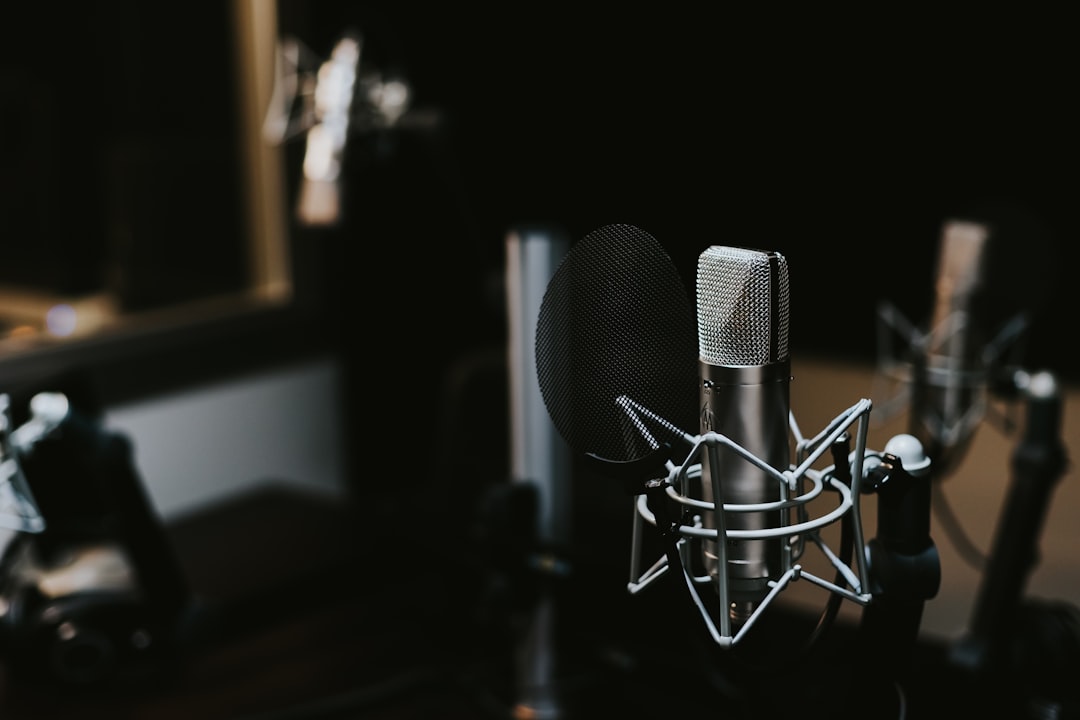
The best microphone for drums depends on which part of the kit you are capturing: kicks want a large-diaphragm dynamic, snares and toms want tough cardioid dynamics, and overheads want matched condensers. Most home recordists build a kit one piece at a time rather than buying a sealed bundle, and that is usually the smarter route.
Violet Recording is reader-supported — we may earn a commission from links on this page, at no extra cost to you.
Quick answer: for a flexible starter rig, a Shure SM57 on snare, an AKG D112 or Shure Beta 52A on kick, and a pair of small-diaphragm condensers (such as Rode M5 or sE Electronics sE7) as overheads will record a convincing kit in almost any room.
How to choose a microphone for drums
Drums are loud and transient, so the right mic has to handle high sound-pressure levels (SPL) without distorting. Keep these factors in mind:
- Mic type: dynamics shrug off volume and are ideal for close-miking snare, kick and toms. Condensers are more sensitive and detailed, which is why they work as overheads and room mics. See our guide to condenser vs dynamic microphones if you are unsure which is which.
- Max SPL: look for a high max SPL rating (130 dB or more) on anything going close to a drum.
- Polar pattern: cardioid mics reject spill from the rest of the kit. Our polar patterns explained piece covers why that matters.
- Channel count: a full kit can need 4–8 mics. Be realistic about how many inputs your interface has.
Kick drum mics
Kick mics are voiced to capture low-end thump and beater click. The AKG D112 is a long-standing standard with a built-in low-frequency bump, while the Shure Beta 52A offers a punchy, scooped sound that sits well in modern mixes. The Audix D6 is another popular choice that delivers a ready-to-mix “click and boom” with little EQ.
Snare and tom mics
The Shure SM57 is the default snare mic for good reason: it is durable, affordable and handles SPL all day. For toms, the Sennheiser e604 and Audix D2/D4 clip neatly to the rims and stay out of the drummer’s way. Many engineers simply use multiple SM57s if budget is tight, and it is worth knowing the rest of the field — our roundup of the best dynamic microphones for studio recording covers the tough close-mic workhorses that suit a kit.
Overhead and room mics
Overheads capture cymbals and the overall stereo image, so matched small-diaphragm condensers are the usual pick. The Rode M5 matched pair, sE Electronics sE7 and AKG P170 are reliable, affordable options. If you want a single mono room mic for a vintage flavour, a large-diaphragm condenser or even one of the best ribbon microphones can sound huge. Learn the trade-offs in large vs small-diaphragm condensers.
Do you need phantom power?
Condenser overheads need 48V phantom power from your interface; dynamic kick and snare mics do not. If any of your mics is a condenser, confirm your interface supplies it — see what is phantom power. Then dial in clean levels using our gain staging guide so loud hits do not clip.
A sensible starter setup
- Kick: AKG D112 or Shure Beta 52A
- Snare: Shure SM57
- Overheads: Rode M5 matched pair or sE7 pair
- Optional toms: Sennheiser e604 or Audix D2/D4
This four-to-five mic approach (kick, snare, two overheads) is the classic “recorderman” or “glyn johns” foundation and gets you 90% of the way to a great kit sound. Want it all in one box instead of buying piece by piece? A ready-made drum microphone kit bundles a matched kick, snare and overhead set together. For the wider toolkit a home studio needs, browse more in the microphones category.
Placement basics that matter more than the mic
Once you have decent mics, where you put them decides most of the sound. A few reliable starting points will get you a usable kit recording before you reach for any EQ:
- Kick: start with the mic just inside the resonant (front) head, a few inches off-centre from the beater. Move it closer to the beater for more click, or further back into the shell for more body and weight.
- Snare: aim the SM57 across the top head, an inch or two above the rim, pointing at the centre. Angling it slightly away from the hi-hat reduces spill. A second mic under the snare captures wires for more crack — flip its phase if it sounds thin.
- Overheads: keep both mics the same distance from the snare so it lands in the centre of the stereo image. Measuring with a length of cable from the snare to each capsule is the simplest way to do this.
- Toms: a few inches above the head and angled in towards the centre keeps spill down while capturing attack.
Two ideas matter throughout: keep equal distances where you want a centred image, and check phase whenever two mics share a source, because cancellation between mics thins out the low end far more than any cheap mic ever will.
Common mistakes when miking a kit
- Ignoring the room. Overheads and room mics record the space as much as the kit. A boxy, untreated room will dominate the sound no matter how good the mic is — treat the room or close-mic more tightly.
- Phase problems. Adding mics without checking polarity can hollow out the kick and snare. Always compare each mic in and out of phase and keep whatever sounds fuller.
- Too much gain. Drum transients peak far higher than they look on a slow meter. Leave generous headroom so a hard hit does not clip.
- Buying channels you cannot record. An eight-mic kit is pointless on a two-input interface. Match your mic count to your inputs first.
- Skipping the tuning. No mic fixes a badly tuned drum or a buzzing snare. Sort the kit out acoustically before you blame the gear.
Frequently asked questions
How many microphones do I need to record drums?
You can get a usable sound with just two overheads and a kick mic. Four mics (kick, snare, two overheads) is the sweet spot for home studios. Full multi-mic setups use eight or more, but only if your interface has the inputs.
Can I record drums with one microphone?
Yes. A single large-diaphragm condenser placed in front of the kit, or a dynamic mono room mic, can capture a balanced, vintage-style drum sound. It removes mixing flexibility but is simple and effective in a good-sounding room.
Is the Shure SM57 good for drums?
The SM57 is one of the most popular snare and tom mics ever made. It handles high volume, rejects spill well as a cardioid, and is inexpensive, making it the go-to close mic for most kits.
Should I use dynamic or condenser mics on drums?
Use both. Dynamics handle the loud, transient close sources — kick, snare and toms — without distorting, while condensers capture the detail and high frequencies of cymbals and the overall kit as overheads. A typical kit recording combines the two.
Do I need to mic every drum?
No. Many great recordings use only a kick mic plus a stereo pair of overheads, letting the overheads carry the snare, toms and cymbals. Add close mics on the snare and toms only when you want more control over those elements in the mix.



