
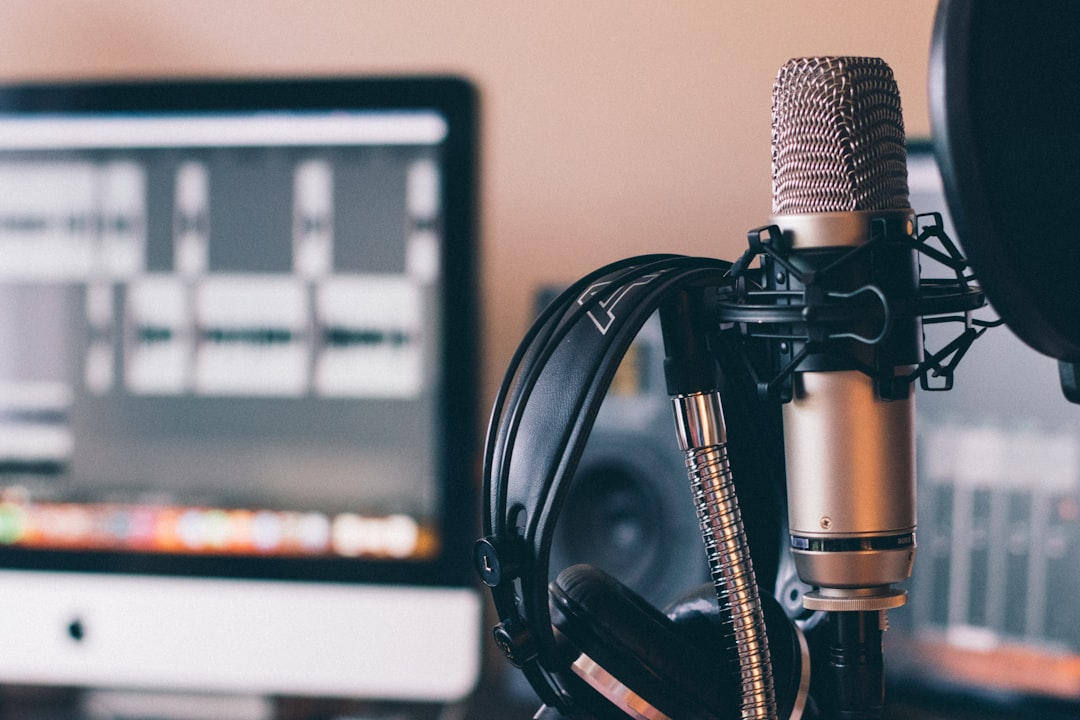
The classic microphone for guitar amp recording is a cardioid dynamic placed close to the speaker grille, because it handles high volume and gives you that focused, midrange-forward tone. The Shure SM57 has been the default for decades, but ribbons and condensers each bring something useful, and the best results often come from blending two mics.
Violet Recording is reader-supported — we may earn a commission from links on this page, at no extra cost to you.
Quick answer: start with a Shure SM57 on the grille. If you want a warmer, smoother top end, add or swap in a ribbon like the Royer R-121 or budget-friendly sE Electronics X1 R, or a large-diaphragm condenser for room and air.
How to choose a microphone for a guitar amp
Guitar cabs are loud and rich in midrange, so the mic and placement matter more than the price tag. Weigh these points:
- Mic type: dynamics are punchy and rugged, ribbons are smooth and natural, condensers are detailed and airy. Our condenser vs dynamic guide breaks down the differences.
- Max SPL: cranked amps are loud. Dynamics and modern ribbons cope easily; check condenser specs first.
- Polar pattern: cardioid mics reject room reflections, useful in untreated spaces. See polar patterns explained.
- Tone target: bright and aggressive, or warm and vintage? That decision points you to dynamic vs ribbon.
Dynamic mics: the workhorses
The Shure SM57 is the industry-standard amp mic — tight, present and forgiving of placement. The Sennheiser MD 421 offers a fuller low-mid and is great on bigger cabs, while the Shure SM7B gives a smooth, broadcast-style midrange that suits high-gain tones. Any of these will survive a loud cab indefinitely, and if you want more options our roundup of the best dynamic microphones covers the field.
Dynamics also win on practicality. They need no power, shrug off rough handling, and reject most of the room around them, so they stay clean even when you are tracking in an untreated bedroom. That midrange focus is exactly what cuts through a busy mix, which is why a dynamic on the grille is so often the foundation that everything else gets blended around. The SM57 is so ubiquitous that it is worth knowing how it stacks up against its sibling in our SM57 vs SM58 comparison.
Ribbon mics: smooth and natural
Ribbons tame harsh high frequencies and capture a guitar amp the way your ears hear it. The Royer R-121 is the professional benchmark; the Beyerdynamic M160 is a long-time favourite on lead tones; and the sE Electronics X1 R brings the ribbon sound at a project-studio price. For more options across budgets, see our guide to the best ribbon microphones. Modern ribbons handle high SPL, but always check the spec and avoid blasting air at them.
A ribbon naturally rolls off the fizzy, brittle top end that makes some amps sound harsh on a dynamic, so it flatters bright single-coil and high-gain tones especially well. Classic ribbons use a figure-of-eight pattern, meaning they also pick up whatever is directly behind them — usually the room. Point the rear null at a reflective wall, or move to a treated spot, and you keep the smoothness without dragging in unwanted reflections.
Condenser mics: detail and room
A large-diaphragm condenser placed a foot or two back captures the cab plus the room, adding size and air. The AKG C414 and Neumann TLM 102 are excellent for this, though even an affordable LDC works. Read more on capsule size in large vs small-diaphragm condensers. Condensers need phantom power.
Because condensers hear the room as well as the cab, they reward a decent-sounding space. In a lively, well-proportioned room a back-placed condenser adds depth and a sense of scale that a close dynamic alone never delivers. In a small, boxy room it can pick up flutter and boom, so either treat the space, pull the mic in closer, or lean on your dynamic and ribbon instead.
Placement beats price
Where you put the mic changes the tone more than which mic you own. Aim at the centre of the cone for brightness, or off to the edge for warmth, and move closer or further to balance proximity bass. For a full walkthrough, see our guide to recording electric guitar, and keep your levels clean with good gain staging.
Two variables do most of the work. The first is which part of the speaker you point at: dead centre over the dust cap is brightest and most aggressive, and as you slide outward toward the edge of the cone the tone gets progressively darker and rounder. The second is distance: right up against the grille gives maximum proximity bass and isolation, while backing off a few inches lets the speaker “develop” and softens that low-end buildup. Make these moves in small steps and listen on your monitors rather than in the room, because what sounds good standing next to the cab and what sounds good in the recording are rarely the same thing.
Common mistakes to avoid
- Chasing the mic, not the placement: a cheaper mic in the right spot beats an expensive one aimed carelessly. Move the mic before you reach for EQ.
- Ignoring phase on two-mic setups: when you blend a close and a back mic, line up their distances or flip the polarity until the low end sounds fullest, otherwise the two signals cancel.
- Recording too hot: loud cabs can push your preamp into clipping. Leave headroom and set levels with good gain staging.
- Blasting a ribbon with air: a strong gust of air movement from a ported cab can stretch a ribbon. Keep a sensible distance and, if in doubt, angle it slightly off-axis.
- Judging tone in the room: always commit to placement using the recorded signal in your headphones or monitors, not the sound bouncing around the space.
Our recommended setups
- One mic, do-it-all: Shure SM57 on the grille.
- Warmer single mic: Royer R-121 or sE X1 R ribbon.
- Two-mic blend: SM57 (close) + ribbon or condenser (slightly back) for body and smoothness.
For more mic recommendations across your whole studio, browse the microphones category.
Frequently asked questions
Is the SM57 really the best guitar amp mic?
It is the most widely used because it is durable, affordable and sounds great on cabs with minimal fuss. It may not be the “best” for every tone, but it is the safest first choice and appears on countless hit records.
Can I use a condenser on a loud guitar amp?
Yes, as long as its max SPL handling is high enough. Many large-diaphragm condensers include a pad switch to add headroom. Placing it a foot or more back also reduces the level hitting the capsule.
Why do engineers blend two microphones on a guitar amp?
Blending lets you combine the punch of a dynamic with the smoothness of a ribbon or the air of a condenser. Just check the phase relationship so the two signals reinforce rather than cancel each other.
How far back should I place a room mic on a guitar cab?
There is no fixed rule, but a foot or two back is a useful starting point for capturing some room without losing definition. Move it further out for more ambience and a bigger sound, closer in for a tighter, drier tone, and always check it against your close mic for phase.



