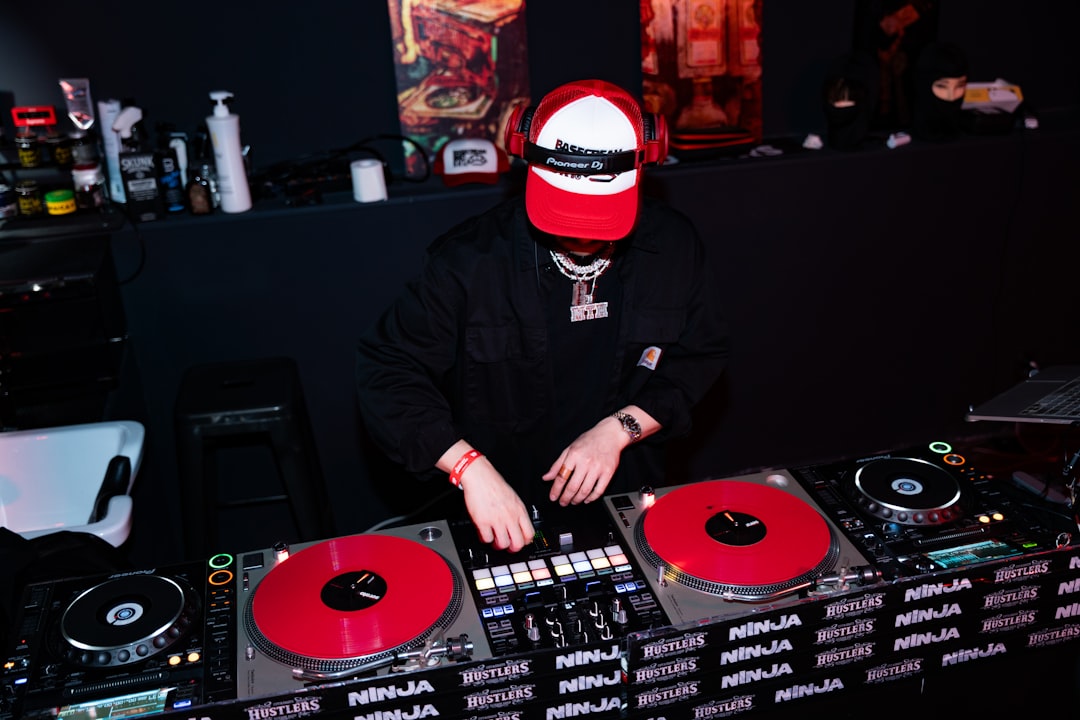
Do you need a laptop to DJ? Not always. You can DJ without a laptop if you choose standalone gear, but most affordable DJ controllers do require one. Whether you need a computer comes down to the type of equipment you buy and where you plan to play. This guide explains the trade-offs so you can pick the setup that suits you.
When you need a laptop to DJ
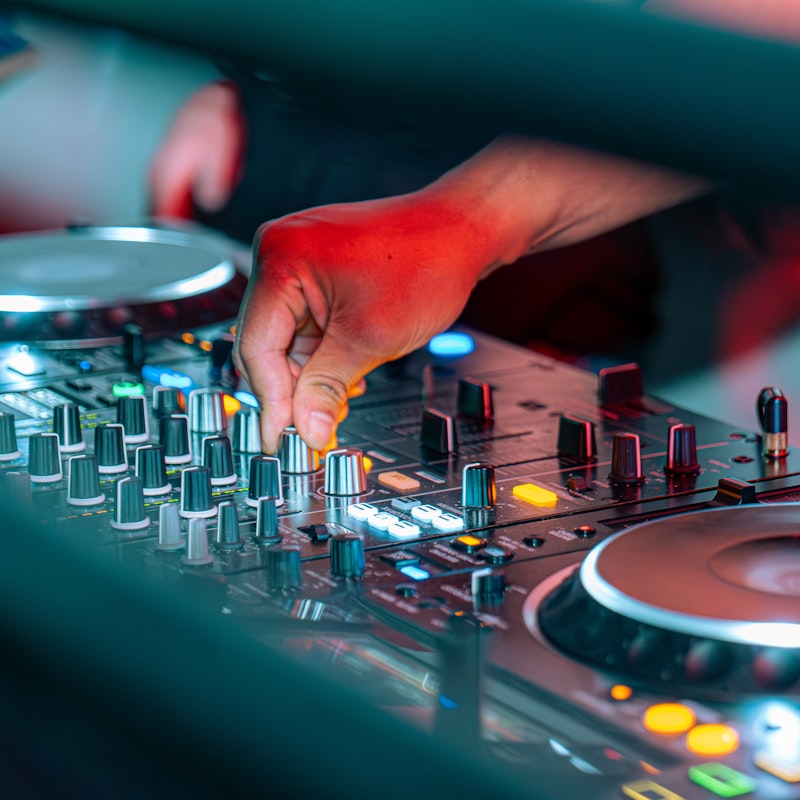
Most entry-level and mid-range DJ controllers are not standalone — they are control surfaces that send commands to DJ software running on a computer. The laptop does the actual audio processing, library management and analysis. With these controllers, no laptop means no music. Popular controllers like the Pioneer DJ DDJ-FLX4 and many in the DDJ and Numark ranges pair with DJ software such as Serato DJ Pro, rekordbox, Traktor Pro or VirtualDJ on your computer.
If you are buying a controller, check whether it is “standalone” before assuming you can leave the laptop at home. Our comparison of DJ controllers vs turntables vs CDJs spells out which formats need a computer, and our roundup of the best DJ controllers flags which models can run without one.
When you do not need a laptop
You can DJ without a laptop if you use:
- Standalone DJ players or CDJs — they read music from a USB drive or SD card and process everything internally. See our guide to the best standalone DJ players and CDJs.
- All-in-one standalone systems — controller-style units with the brains built in, playing straight from a USB stick.
- Standalone-capable controllers — some higher-end controllers can run in standalone mode without a computer.
With these, you prepare your library on a computer at home, then play from a USB drive with no laptop in the booth.
Laptop DJing vs standalone: the trade-offs
| Factor | Laptop + controller | Standalone gear |
|---|---|---|
| Cost to start | Lower — controllers are cheaper | Higher |
| Reliability in the booth | Depends on the laptop behaving | Very reliable, nothing to crash |
| Features | Full software, effects, stems | Strong, but tied to the unit’s firmware |
| Library prep | On the same laptop you perform with | Prep at home, export to USB |
| Club readiness | You bring your own laptop | CDJs are installed in most clubs |
So do you need a laptop to DJ, or not?
If you are starting out and budget matters, a laptop-plus-controller setup is the most affordable way in, and it teaches you everything — beatmatching, EQ mixing, cues and loops. Our DJ setup for beginners guide leans this way for good reason.
Choose standalone if you want maximum reliability, plan to gig in clubs where CDJs are standard, or simply prefer not to babysit a laptop during a set. Many DJs start on a controller, learn the craft, then move to standalone gear later.
How to choose the setup that fits you
The right answer depends less on the gear itself and more on how and where you will use it. Work through these questions before you buy, and the choice usually makes itself.
- What is your budget today? If money is tight, a laptop you already own plus a basic controller gets you mixing for the lowest possible outlay. Standalone units cost more because you are paying for the processing power and screens built into the hardware.
- Where will you play? Bedroom practice and house parties forgive a laptop. Busy clubs and festivals reward standalone reliability, and most venues already have CDJs installed, so you may not need to carry anything but a USB drive.
- How much do you value reliability? A laptop introduces extra failure points — operating system updates, background apps, USB and audio driver quirks. Standalone gear has fewer moving parts and is harder to crash mid-set.
- Do you want software features? Stems, deep effects racks and large-screen waveform editing live in the software. If those matter to your style, a laptop setup gives you the fullest toolset.
- What is your upgrade path? Learning on rekordbox or Serato translates cleanly to club CDJs later, so even a laptop beginner is building habits that carry over to standalone and installed gear.
There is no single correct choice. A working musician who plays the same two venues every week has very different needs from a hobbyist mixing at home, and both setups are valid.
Common mistakes to avoid
- Assuming every controller is standalone. Many look like all-in-one units but still need a computer. Always read the spec sheet for the word “standalone” rather than guessing from the photos.
- Performing on a cluttered laptop. A machine packed with other software, background syncing and pending updates is the most common cause of a set glitching. Keep a clean, dedicated profile for DJing if you can.
- Skipping library prep. Whether you play from a laptop or a USB stick, tracks still need analysing, cueing and tagging in advance. Turning up with an unprepared library slows you down on both setups.
- No backup. Carry your music in two places. A second USB drive, or your laptop and a stick, means one failure does not end the night.
- Buying standalone before you can mix. Spending big on standalone gear before you have learned beatmatching and EQ blending is easy to regret. The skills transfer either way, so there is no harm in starting cheaper.
If you do use a laptop, set it up well
- Disable sleep and notifications — nothing kills a set like a pop-up or a screen going dark.
- Keep it plugged in — performance dips and battery anxiety are avoidable.
- Tidy your library first — a clean library loads fast. See how to organize your music library for DJing.
- Carry a backup — a second copy of your music on a USB drive saves the night if the laptop dies.
Frequently asked questions
Can I DJ with just a phone or tablet?
Yes, to an extent. Apps like djay can run on a tablet or phone and connect to some controllers, and you can DJ casually that way. For serious practice and gigs, a laptop or standalone gear gives you more control, reliability and screen space.
Are standalone controllers worth the extra cost?
If reliability and laptop-free performance matter to you, yes. You pay more up front but gain independence from a computer and, often, a smoother path to club gear. Beginners on a budget usually do fine starting with a laptop and a basic controller first.
Will clubs have gear so I do not need my laptop?
Most established clubs have Pioneer DJ CDJs and a mixer installed, so you can play from a USB drive with no laptop. Learning on rekordbox makes that transition seamless. Always confirm the venue’s setup beforehand, and bring your music on a backup drive regardless.
Does a laptop affect my sound quality?
Not in any way you will hear, provided the laptop is keeping up. The audio quality comes from your files, your audio interface or controller’s outputs and the venue’s system — not from the computer being expensive. A struggling, overloaded laptop can stutter or drop out, but that is a performance problem, not a fidelity one. Keep the machine lean and it will deliver the same clean signal as standalone gear.
Can I switch from a laptop setup to standalone later?
Easily. The core skills — beatmatching, EQ mixing, cueing and looping, and reading a crowd — are identical across both. If you learn on rekordbox or Serato and keep your library tidy, moving to a standalone unit or club CDJs is mostly a matter of getting used to a new layout, not relearning how to DJ.
Shop related gear
Mix without a laptop: