
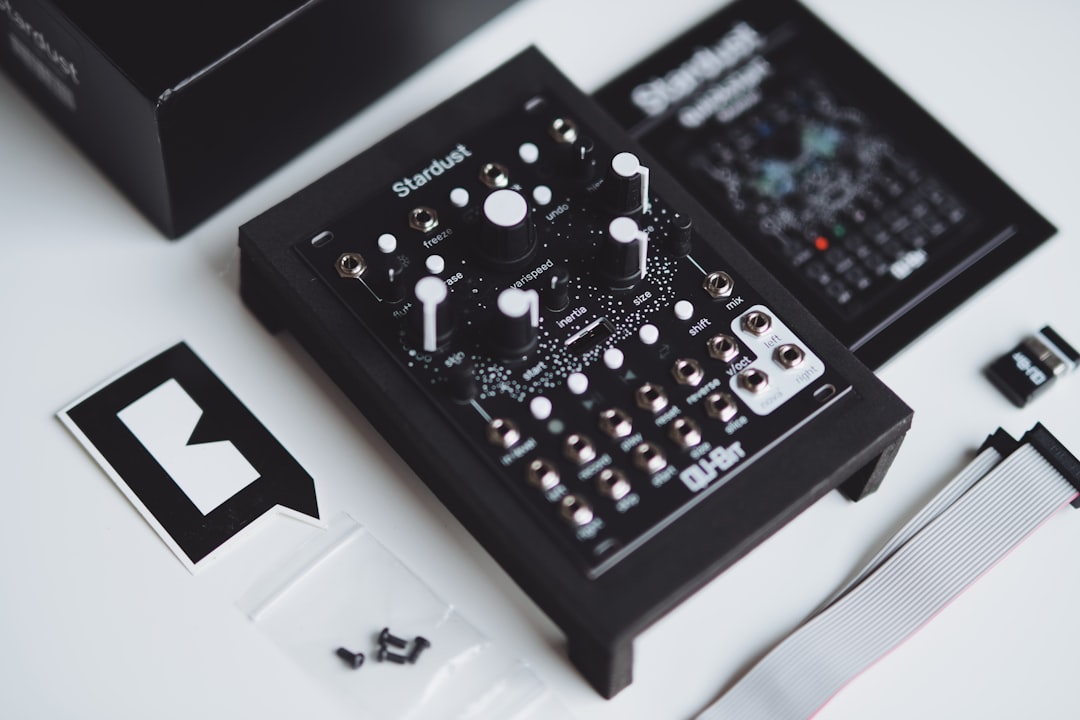
Learning how to make 808 patterns comes down to three things: tuning the 808 to the key of your beat, writing a bassline that moves with your drums, and making sure the low end never fights your kick. Get those right and even a simple pattern will knock. Get them wrong and your beat turns to mush the moment it hits a decent speaker. This guide walks you through the whole process, from the first note to a mix-ready low end.
Violet Recording is reader-supported — we may earn a commission from links on this page, at no extra cost to you.
What you’ll need before you start
You don’t need much. An 808 pattern is really just a tuned bass sound triggered in a rhythm, so the barebones kit is short:
- A DAW — anything works. If you’re still choosing one, our guide to the best DAW for hip-hop and our roundup of the best free DAWs for beginners will get you pointed in the right direction.
- An 808 sample or an 808 synth/drum plugin. Free options are plenty good to learn on — see our best free drum VST picks.
- A kick drum you like, and a basic hi-hat and snare (or clap) to build a groove around.
- A way to see the note names — every DAW’s piano roll shows them, and you can double-check pitch with a tuner in our free audio tools.
Producing on a phone or tablet? The workflow is identical; only the interface changes. Our list of the best beat-making apps covers mobile setups that handle 808s well.
How to make 808 patterns step by step
Here’s the short version before we dig in: set your tempo, program a kick-and-hat groove, place your first 808 note in the right key, then write the rhythm and pitch movement of the bassline. Finish by tuning, adding glides and swing, and cleaning the low end. Now the long version.
1. Set the tempo and lay down a drum groove first
Start with the drums, not the 808. Your 808 pattern has to lock to the kick, so you need the kick in place before you can write anything sensible under it. Trap and modern hip-hop usually sit somewhere in the 130–160 BPM range (often written and felt at half that), while a slower, heavier beat might live around 70–90 BPM. If you’re unsure what tempo a reference track uses, run it through the BPM finder in our free tools and match it.
Program a simple loop: kick on the downbeats, a snare or clap on beats two and four, and hi-hats keeping time. Use the metronome or built-in drum machine in our tools if you want to sketch the feel before committing. Keep it plain for now — you’re building a skeleton the 808 will hang off, not the finished beat.
2. Tune your 808 to the key of the track
This is the single biggest thing beginners skip, and it’s why so many first beats sound off. An 808 is a pitched instrument — it plays a musical note — so it has to be in the same key as your melody. If your melody is in F minor, your 808 needs to be centred on F, not left on whatever default note the sample loaded at.
Most 808 samples are tuned to C when they’re made, but sample packs are inconsistent, so never assume. Drop the 808 on a single note, play it against your melody, and listen. If it clashes, move it up or down the piano roll until the root note of your bass matches the root note of your chords or lead. When you write the 808 to lock the low end to your kick for punchy, modern beats, this in-tune root note is the anchor everything else moves around.
3. Write the rhythm before you worry about the notes
A great 808 pattern is a rhythm first and a melody second. The most reliable starting move is to place an 808 hit directly under every kick. That guarantees the two lock together and gives you instant weight. From there, add a few extra notes in the gaps to create movement — a note leading into the next bar, a quick answer to the snare, a syncopated hit that pushes against the beat.
Resist the urge to fill every sixteenth. Space is what makes 808s hit. A pattern with four well-placed notes and room to breathe will almost always sound bigger than a busy one, because each note gets time to sustain and the sub has room to bloom. Program the rhythm, loop it, and let it play for a while before you judge it.
4. Add pitch movement and glides
Once the rhythm feels right, bring in melody. Move some of your 808 notes up or down to follow the chord progression — root on the first chord, up to the fifth on the next, down to a lower note for the drop. Keep it mostly within an octave so it stays firmly in bass territory; jump too high and the 808 loses its low-end power.
Glides (also called portamento or the 808 “slide”) are the signature of modern trap bass. A glide bends the pitch smoothly from one note into the next instead of retriggering cleanly. In most DAWs and 808 plugins you create a glide by overlapping two notes — hold the first note so it runs into the start of the second — with the instrument set to mono/legato mode. Use glides sparingly; one or two per bar into an important note sounds intentional, while gliding everything turns to soup.
5. Program swing so it doesn’t sound robotic
A pattern quantised dead to the grid feels stiff. Swing (or groove) nudges certain notes slightly late so the beat leans and bounces the way a human would play it. Most DAWs have a swing or groove control — start around 8–15% and let your ears decide. Apply it to your hi-hats and 808 together so they move as one; if only the drums swing and the 808 stays rigid, the two drift apart and the pocket collapses.
You can also hand-nudge individual 808 notes a hair off the grid to add feel. Small amounts go a long way. The goal is a groove that makes your head nod, not a metronome test.
6. Clean the low end so the 808 and kick coexist
Your kick and your 808 both live in the sub frequencies, and if you do nothing they’ll pile up and cancel each other out — the classic “why is my low end muddy” problem. There are two common fixes, and you can combine them:
- Sidechain the 808 to the kick. Set a compressor on the 808 triggered by the kick so the 808 ducks a few dB every time the kick hits. The kick punches through, then the 808 swells back. Even a light amount tightens everything.
- Choose kicks and 808s that occupy different ranges. Pair a shorter, punchier kick with a longer, sub-heavy 808 so they share the space instead of fighting for the same frequency.
Finally, high-pass everything else in the mix — melodies, hats, vocals — so the entire bottom of the track belongs to the kick and 808 alone. A clean low end is what separates a beat that translates on car speakers and earbuds from one that only sounds good in your headphones. If mixing is new to you, our drum plugin guide and the mixing basics on the site are a good next stop.
Where to get 808s and loops to build from
You can design 808s from scratch with a synth, but most producers pull from sample libraries to move faster and to get pro-quality sub sounds out of the box. A subscription service like Splice gives you a huge, searchable catalogue of 808s, drum loops, and one-shots you can audition in key and drag straight into your project — a fast way to find a sound that already sits right and then tune it to your track.
Grab a folder of 808 one-shots you like, tune them as described above, and you’ll have raw material for dozens of patterns. Layering two 808s — one for the clean sub, one with a bit of distortion or “knock” up top — is a common trick for a bass that reads on both big systems and tiny phone speakers.
Turning your pattern into a finished song
An 808 pattern is the engine of a beat, but a full track needs an intro, a hook, verses, and an arrangement that builds and releases. If you’ve got a pattern you love but you’re stuck turning it into a complete, structured song, Solmi can take your idea and generate a full arrangement around it — a quick way to hear where a beat could go. Try it at https://solmi.ai/ and use it as a sketchpad, then bring the parts you like back into your DAW.
When your beats are solid enough to sell, our guide on how to start selling beats covers licensing, pricing, and where to list them. For more sound-design walkthroughs, browse the Sound Design hub.
Frequently asked questions
What key should my 808 be in?
Your 808 should match the key of your melody and chords. Find the root note of your progression, set your 808 to that note, and build the pattern around it. If you don’t know the key, play your 808 against the melody and move it up or down the piano roll until it stops clashing — that note is your root.
Why does my 808 sound muddy or disappear in the mix?
Almost always it’s clashing with your kick, since both live in the sub range. Sidechain the 808 so it ducks when the kick hits, pick a kick and 808 that occupy slightly different frequencies, and high-pass everything else in the track so the low end belongs to those two sounds alone. That usually clears the mud instantly.
How do I make my 808s glide or slide?
Set your 808 instrument to mono or legato mode, then overlap two notes in the piano roll so the first runs into the second. The pitch bends smoothly from one to the next instead of retriggering. Adjust the glide or portamento time to control how fast it slides, and use it on just one or two notes per bar so it stays musical.



