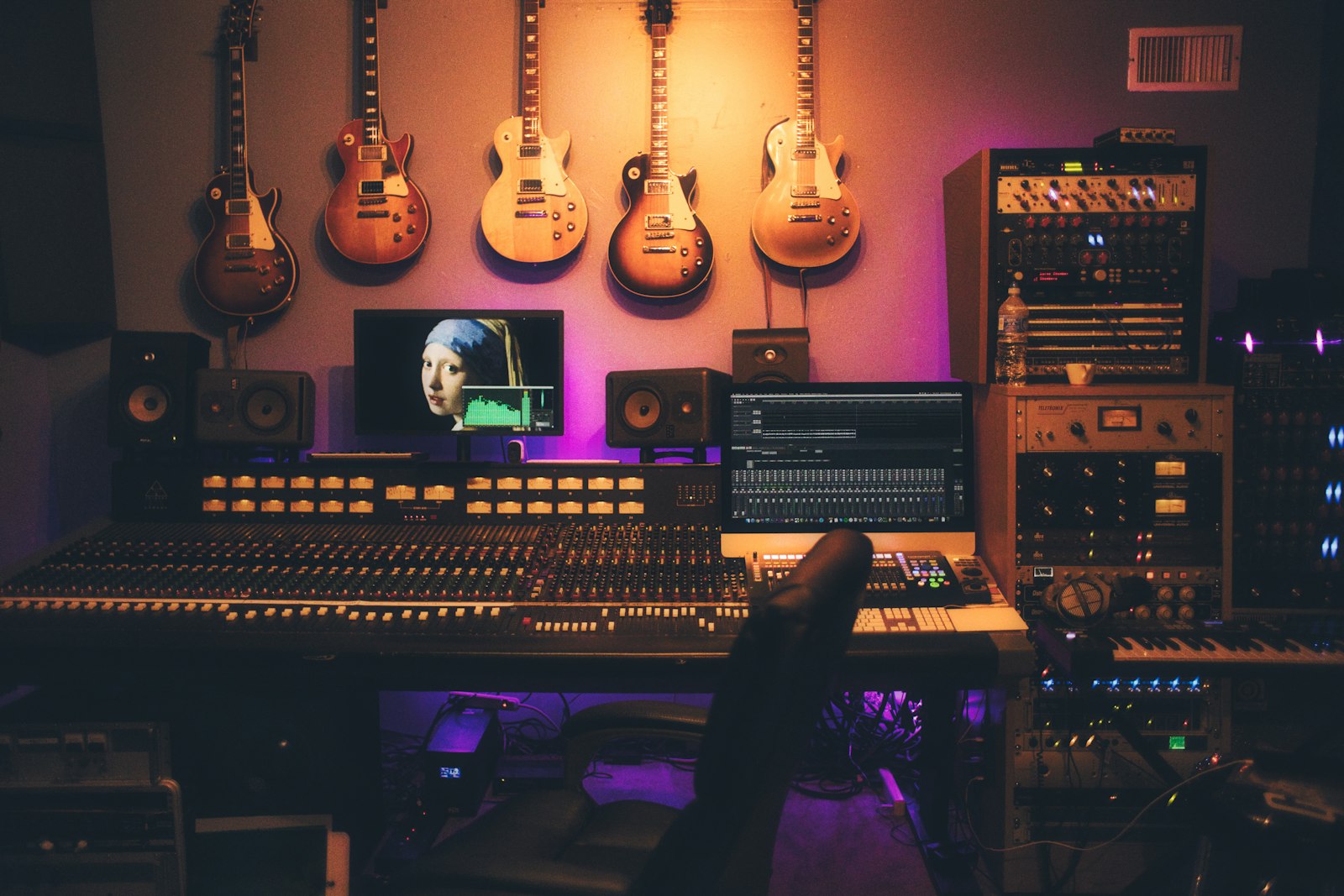
If you are hunting for ozone alternatives, you have already worked out that iZotope Ozone is excellent but not the only way to a competitive master. Maybe you want a specialist limiter instead of a full suite, a lighter CPU load, a different sonic flavour, or simply a lower price. The good news is that the mastering-plugin market is deep, and several tools match or beat Ozone in specific areas. Below are seven strong Ozone alternatives with honest pros and cons, plus the real loudness numbers you should be aiming at no matter which one you buy.
The best Ozone alternatives, module by module
Ozone’s strength is that it bundles EQ, dynamics, imaging and limiting together. Most alternatives specialise, so you may end up building a small chain rather than buying one box. That is often a good thing, because best-in-class specialists frequently outperform an all-in-one.
- IK Multimedia T-RackS is the closest direct competitor as a full suite. Pros: gorgeous analogue-modelled EQs and compressors, a-la-carte buying so you pay only for what you use, and a strong bus-compressor culture. Cons: the last-dB limiter clarity and reference-matching tools are not quite as clinical as Ozone’s, and the modular store can get expensive if you collect everything.
- FabFilter Pro-L 2 is arguably the finest standalone limiter available. Pros: transparent to aggressive across many algorithms, superb true-peak limiting, best-in-class metering with LUFS and true-peak built in. Cons: it is only a limiter, so you still need EQ and dynamics elsewhere.
- FabFilter Pro-Q paired with the limiter above forms a lethal, surgical mastering front end. Pros: the cleanest dynamic EQ and linear-phase options in the business, gorgeous interface. Cons: no built-in loudness maximizing or imaging; it is a specialist.
- brainworx bx_masterdesk is a single-window analogue-style mastering console. Pros: fast, musical, one-screen workflow with tone, width, dynamics and loudness in a fixed sensible order; great for people who find Ozone’s flexibility overwhelming. Cons: less surgical control than a modular chain, and the fixed layout can feel limiting once you know what you want.
- TDR Kotelnikov is a superb mastering compressor with a free tier. Pros: incredibly clean, transparent bus compression, exceptional value. Cons: compression only, and the interface is more engineer than eye-candy.
- FabFilter Pro-MB replaces Ozone’s multiband module. Pros: transparent, intuitive multiband dynamics for taming a boomy low end or harsh upper mids. Cons: single-purpose, so it is one piece of a chain.
- Gullfoss is an intelligent auto-EQ that resolves masking in real time. Pros: almost magically balances a mix or master with two or three knobs. Cons: it is a corrective tool, not a full mastering solution, and heavy settings can sound processed.
Don’t forget the meter
Whatever chain you build to replace Ozone, you lose its Tonal Balance Control and integrated LUFS metering, so add a dedicated meter. Youlean Loudness Meter has a capable free version that reads integrated LUFS and true-peak, and ADPTR MetricAB adds instant reference-track A/B comparison, which is the single most useful habit in mastering. Metering is not optional; you cannot hit a loudness target you cannot measure.
Hit the right targets with any alternative
The targets are set by the platforms, not the plugin, so every alternative on this list should aim for the same finish. Streaming services normalise toward roughly -14 LUFS integrated, and you should keep true-peak at or below -1 dBTP. A safe, defensible chain built from alternatives:
- Broad corrective EQ first: gentle moves of 1-2 dB, for example a +1 dB high shelf above 10 kHz for air or a -1 dB wide cut near 300 Hz if the mix is boxy.
- Bus compression for glue: 1-2 dB of gain reduction, slow attack, program-dependent release. More than 3 dB usually flattens the mix.
- Multiband only where a specific band misbehaves, doing 1-2 dB of controlled reduction (typically the sub or the harsh upper mids).
- Limiter last: true-peak ceiling at -1 dBTP, pushed until integrated loudness sits around -14 to -12 LUFS, watching that transients survive.
Which alternative should you pick?
For a full one-box replacement, T-RackS or bx_masterdesk. For a surgical, best-in-class modular chain, pair Pro-Q with Pro-L 2 and add Pro-MB and Kotelnikov as needed. For fast, intelligent tone-balancing, Gullfoss. Whatever you choose, the plugin does not make the master; your ears and your references do. Sharpen both with our mixing and mastering guide, and check every master with the free loudness tools in our audio tools hub before it goes out the door.