The best audio interface for synths is one with enough line-level inputs for your gear, clean converters that preserve analog character, and ideally MIDI I/O to keep your hardware in sync. For a single mono synth almost any interface works; the moment you own two or three synths and a drum machine, input count and routing become the deciding factors.
In a hurry? Jump to our audio interface picks — or read on for the full breakdown.
Violet Recording is reader-supported — we may earn a commission from links on this page, at no extra cost to you.
This guide explains what actually matters when you record hardware synths, then leaves space for our current picks across small, medium and large setups.
Quick answer
- One or two synths: a solid 2-in/2-out desktop interface with line inputs is plenty.
- A growing synth collection: look at 4-in, 8-in, or rack interfaces so each synth keeps its own input.
- Want everything wired permanently: prioritise an interface with many inputs plus MIDI I/O, and pair it with a patchbay or mixer.
Why synths have different needs than mics
Most interface marketing focuses on microphone preamps, but synths are a line-level source. That changes your priorities:
- You need line inputs, not just mic/XLR combos — though most combo jacks accept line signals when you switch off the mic gain.
- You rarely need phantom power or huge preamp gain for synths; you need clean headroom so a hot synth output doesn’t clip.
- Input count matters more than anything, because each synth ideally gets its own input so you can record parts separately.
If you’re new to interfaces generally, start with our explainer on how to set up an audio interface and the difference between an audio interface and a mixer.
What to look for in an interface for synths
1. Number of line inputs
This is the single most important spec. Count your sound sources: each mono synth is one input, each stereo synth (Wavestate, Hydrasynth, Prophet, many digital units) is two. A drum machine adds more. If you want several pieces recorded at once, choose an interface with enough inputs so you’re not constantly re-patching.
2. Clean converters and headroom
Analog synths have real character, and good converters capture it faithfully without adding noise or harshness. You don’t need exotic gear — most reputable modern interfaces sound clean — but ample input headroom matters so loud analog outputs stay below clipping. Our sample rate and bit depth explainer covers why 24-bit gives you so much room.
3. MIDI I/O
An interface with built-in 5-pin MIDI ports is a big convenience for a synth setup. It lets you send MIDI clock and notes to older synths without buying a separate MIDI interface, which makes it far easier to sync your hardware synths and connect them to your DAW.
4. Low latency and stable drivers
If you play soft synths or monitor through the computer, low round-trip latency keeps playing comfortable. More importantly, stable drivers prevent dropouts when you’ve got several devices clocking together. See our latency guide for the trade-offs.
5. Connection type and expandability
USB is universal and fine for most home setups. If you expect to grow well beyond eight inputs, an interface with ADAT expansion lets you add more inputs later without replacing the whole unit.
How many inputs do you really need?
| Your setup | Suggested inputs |
|---|---|
| One synth, recorded one part at a time | 2-in is enough |
| Two or three synths plus a drum machine | 4-in to 8-in |
| Live jams, multitracking a whole rig | 8-in or more, or use a mixer/submix |
A common money-saver: if you can’t justify a huge interface, run several synths into a small mixer or patchbay and feed a stereo submix into a 2-in interface. You lose separate tracks, but you keep the desk tidy.
Our picks
Best overall interface for a synth setup
The sweet spot for most home synth players: enough line inputs for a couple of synths and a drum machine, MIDI I/O on board, and clean, reliable converters.
A Focusrite Scarlett or Audient iD-series interface with several line inputs and onboard MIDI suits this role well, giving you clean converters and enough channels for a couple of synths and a drum machine. Both are reliable, widely supported choices for a home synth setup.
Best compact interface (one or two synths)
For a minimal setup where you record one synth at a time, a small desktop interface with quality line inputs keeps the desk clear and the budget low.
A compact desktop interface such as a smaller Focusrite Scarlett or Audient iD model keeps the desk clear while still offering quality line inputs for recording one synth at a time. It is an easy, dependable starting point you can build around.
Best high-input interface (growing rig)
When you’re multitracking several synths, a Eurorack case and a drum machine at once, an 8-in (or expandable) rack interface keeps every source on its own track.
An eight-input rack interface like the Focusrite Scarlett 18i20 or Audient iD44 keeps several synths, a Eurorack case and a drum machine on their own tracks at once. If you outgrow even that, units like these add more inputs over ADAT using an expander such as a Behringer ADA8200.
Best value pick
The most interface per dollar for synth duty — fewer frills, but the line inputs and converters you actually need.
An entry-level Focusrite Scarlett or a Behringer interface gives you the line inputs and converters synth recording needs without paying for features you will not use. It is a sensible way to get a clean signal into your DAW on a tight budget.
Setting up your interface for synths
- Use line inputs. Switch combo jacks to line so you’re not over-driving a mic preamp.
- Mind gain staging. Set levels with the loudest note playing; leave headroom. Our gain staging guide applies directly.
- Label your inputs. Once several synths are wired, a quick label or patchbay scheme saves confusion later.
Frequently asked questions
Do I need a special audio interface for synths?
No — synths use the same line-level inputs as most other line sources. The key is having enough inputs for your gear and clean converters with good headroom. MIDI I/O is a useful bonus for syncing older synths.
How many inputs do I need for my synths?
Count one input per mono synth and two per stereo synth. One or two synths are fine on a 2-in interface; once you add more gear and want to record parts separately, step up to 4-in or 8-in.
Should I plug a synth into a mic input?
Use a line input rather than a mic input. Synths put out a strong line-level signal that can overload a mic preamp. Most combo jacks accept line level once you turn the mic gain down or select line mode.
Shop related gear
An interface with MIDI I/O for hardware synths:
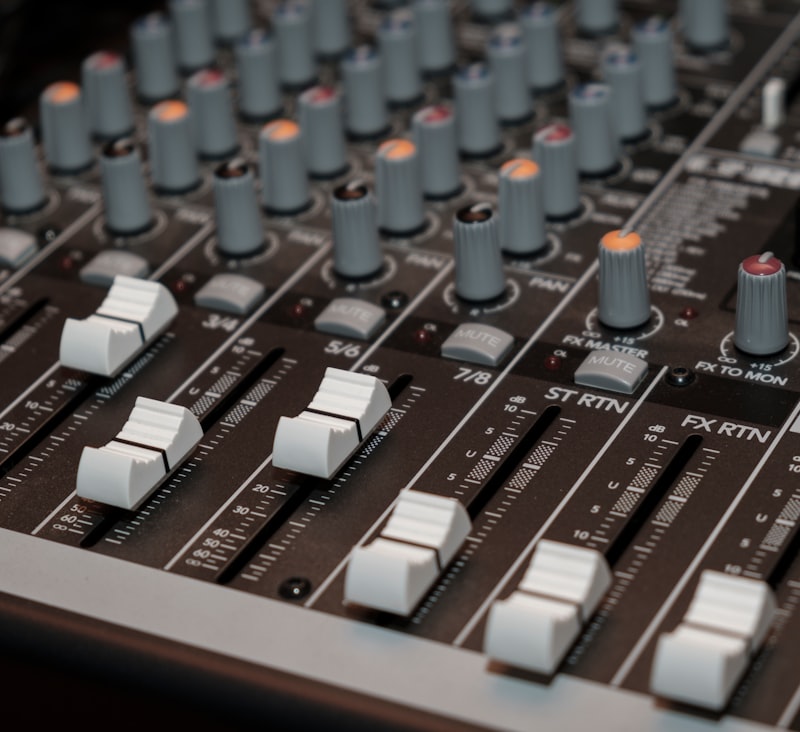
An interface with MIDI I/O for hardware synths and controllers.