
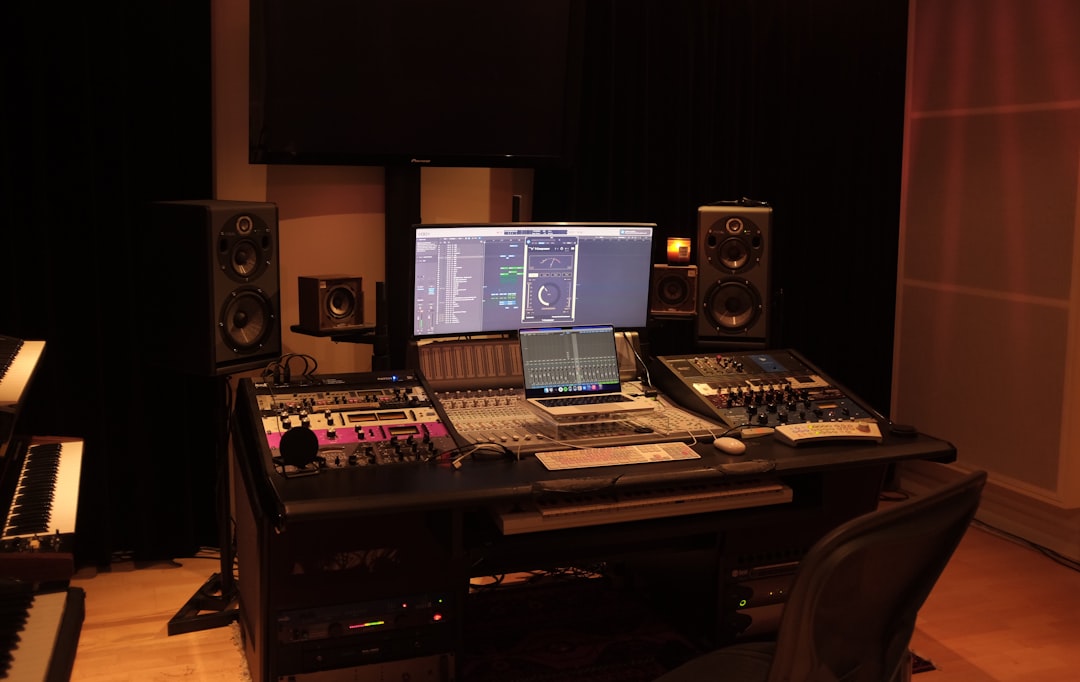
Working out how to choose a microphone comes down to three things: what you record, where you record it, and how you’ll connect it. Get those right and the rest is detail. This guide walks through the buying criteria that actually matter for a home studio, so you can match a mic to your voice or instrument instead of buying on hype.
Quick answer
- Untreated room or loud sources (podcasting, live vocals, guitar amps): a dynamic mic.
- Detailed, treated-room recording (studio vocals, acoustic guitar): a large-diaphragm condenser.
- Just plugging into a laptop with no interface: a USB mic.
- Building a proper rig: an XLR mic plus an audio interface.
How to choose a microphone: the five decisions
Every good mic choice answers five questions. Run through them in order and the shortlist almost writes itself.
- Dynamic or condenser?
- USB or XLR?
- Which polar pattern?
- Large or small diaphragm?
- What’s the realistic budget, including extras?
1. Dynamic vs condenser
This is the biggest fork in the road. Dynamic mics are rugged, handle high volume without distorting, and reject a lot of room noise — ideal for untreated rooms, loud amps, drums, and spoken-word work where background sound is a problem. Condenser mics are more sensitive and capture more detail and high-frequency air, which flatters studio vocals and acoustic instruments, but they also pick up everything else in the room.
If your space is reflective and noisy, a dynamic will forgive a lot. If you’ve done some acoustic treatment and want maximum detail, a condenser rewards you. For a full breakdown, see our guide to condenser vs dynamic microphones.
2. USB vs XLR connection
A USB mic has the audio interface built in and plugs straight into a computer. It’s the fastest, cheapest way to start recording and is great for podcasts, voiceover, and quick demos. The trade-off is limited upgrade paths — you can’t easily change the preamp or run multiple mics.
An XLR mic needs an audio interface (or mixer) to work, but that’s also its strength: you can swap mics, add channels, and upgrade your front end over time. Most people who stick with recording end up here. Our comparison of a USB mic vs an audio interface covers which makes sense for your situation.
3. Polar pattern
The polar pattern is the shape of the area a mic “listens” to. For home recording you mostly want cardioid, which captures what’s in front and rejects what’s behind — perfect for isolating a single voice or instrument in an imperfect room. Some condensers offer switchable patterns (omnidirectional, figure-8) for room recording, interviews, or stereo techniques.
If a mic with switchable patterns is on your list, make sure you’ll actually use them — otherwise a good fixed-cardioid mic at the same price is usually the better buy. We explain the options in microphone polar patterns explained.
4. Large vs small diaphragm (condensers)
If you’ve landed on a condenser, diaphragm size shapes the sound. Large-diaphragm condensers have a fuller, slightly weightier character that suits lead vocals and is the default home-studio choice. Small-diaphragm condensers are faster and more accurate on transients, which makes them excellent on acoustic guitar, percussion, and overheads. See large-diaphragm vs small-diaphragm condensers if you’re torn.
5. Budget — and the bits people forget
Set a budget for the whole signal chain, not just the mic. A mic is only as good as what’s around it, and the extras add up:
- Audio interface (for XLR mics) — provides the preamp and converts to digital.
- Phantom power — condensers need it; most interfaces supply it. See what phantom power is if that’s new to you.
- Stand and shock mount — a shock mount reduces rumble and bumps; here’s what a shock mount does.
- Pop filter — tames plosives on close vocals.
- Cables — a decent XLR cable for XLR mics.
- Acoustic treatment — often the single biggest upgrade to your recordings, especially with sensitive condensers.
It’s better to spend less on the mic and get the room and stand sorted than to buy an expensive mic that exposes every flaw in an untreated space.
Match the mic to what you record
Specs matter less than fit. Here’s how the decisions usually shake out by use case.
- Home vocals (treated room): large-diaphragm condenser, cardioid, XLR. Pair it with the techniques in how to record vocals at home.
- Podcasting / voiceover: a cardioid dynamic (USB or XLR) for clean speech and room rejection.
- Acoustic guitar: small-diaphragm condenser, often a pair for stereo.
- Electric guitar amps and drums: dynamic mics that can take high sound-pressure levels.
- One mic to do everything on a budget: a versatile cardioid dynamic is the safest all-rounder.
Our microphone picks
The picks below are organised by the most common home-studio needs. Each one assumes you’ve worked through the criteria above.
Best dynamic mic for untreated rooms and podcasting
For spoken word and reflective rooms, a cardioid dynamic gives clean, isolated sound without demanding acoustic treatment.
Shure SM7B
The SM7B is a broadcast-style cardioid dynamic that’s become a default for podcasting and spoken word. Its low sensitivity and tight pattern reject room reflections and background noise, so it sounds clean in untreated rooms. It needs plenty of clean gain from your interface, but it’s one of the most recommended dynamics for voice-forward recording.
Best large-diaphragm condenser for vocals
For detailed studio vocals in a treated space, a large-diaphragm condenser is the standard choice.
Rode NT1 (5th Generation)
The NT1 is a large-diaphragm cardioid condenser known for being exceptionally quiet, with very low self-noise that keeps quiet vocal passages clean. It captures detail and air without harshness, which flatters vocals in a treated room, and the latest version offers both XLR and USB connection. It’s a widely recommended studio vocal mic for home recordists.
Best small-diaphragm condenser for acoustic instruments
For acoustic guitar, percussion, and overheads, a fast small-diaphragm condenser captures detail and transients accurately.
Rode M5 (matched pair)
The Rode M5 is a small-diaphragm cardioid condenser sold as a matched pair, making it a popular choice for stereo recording. The fast, accurate capsules capture transient detail well on acoustic guitar, percussion, and drum overheads, and the matched pair simplifies stereo and overhead techniques. It’s a well-regarded option for home recordists focused on acoustic sources.
Best USB mic for getting started fast
For plugging straight into a laptop with no interface, a USB mic gets you recording in minutes.
Blue Yeti
The Blue Yeti is one of the best-known USB microphones, with multiple selectable polar patterns and a built-in headphone jack for monitoring. It plugs straight into a computer with no interface, which makes it a fast way to start recording podcasts, voiceover, or demos. It’s a popular plug-and-play choice for beginners who want flexibility from a single mic.
Before you buy: a quick checklist
- Have you matched dynamic/condenser to your room and source?
- Do you need an interface, or is USB enough for now?
- Is cardioid fine, or do you genuinely need switchable patterns?
- Have you budgeted for a stand, shock mount, pop filter, and cable?
- Would your money do more good on acoustic treatment first?
Work through those and you’ll buy once instead of twice. For the wider rig, browse our microphones category hub for related comparisons and explainers.
Frequently asked questions
Do I need a condenser mic to record vocals at home?
No. A condenser captures more detail, but only if your room is treated and quiet. In an untreated, noisy room a cardioid dynamic often sounds better because it rejects reflections and background noise. Match the mic to your space, not the other way round.
Is a USB mic good enough for serious recording?
For podcasts, voiceover, and demos, yes — many USB mics sound excellent. The limitation is flexibility: you can’t change the preamp or easily run multiple mics. If you plan to grow your setup, an XLR mic plus an audio interface is the better long-term choice.
How much should I spend on my first microphone?
Budget for the whole chain rather than the mic alone. A modest mic with a good stand, pop filter, and a little acoustic treatment will out-record an expensive mic in a bare, echoey room. Spend where it makes the biggest audible difference, which early on is usually the room.



