
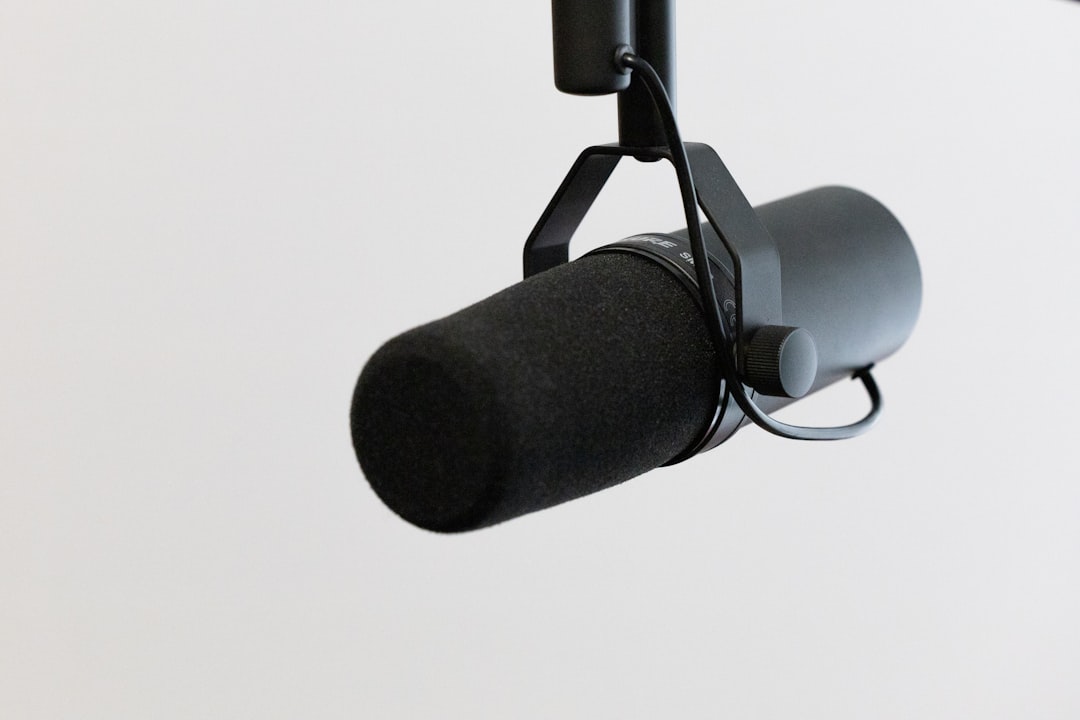
The best microphone for metal vocals is almost always a rugged dynamic mic. Screams, growls and high-energy clean vocals push huge sound pressure levels right up close, and dynamics handle that loudness, reject room noise and forgive an untreated rehearsal space far better than a sensitive condenser.
In a hurry? Jump to our microphone picks — or read on for the full breakdown.
How to choose a microphone for metal vocals
Metal vocals are an extreme source. Prioritise these traits:
- High SPL handling — the mic must take loud, close-up screams without distorting. Most dynamics handle this effortlessly.
- Dynamic over condenser — dynamics are less sensitive, reject room bleed and survive aggressive performances. See condenser vs dynamic microphones for the full comparison.
- Tight cardioid pattern — good off-axis rejection keeps cymbals, amps and room out of the vocal. Read polar patterns explained.
- Built-in shock and pop resistance — handheld performances generate handling noise and plosives; rugged stage mics deal with both.
- Voicing — a present upper-midrange helps screamed vocals cut through dense guitars without you over-EQing later.
Best dynamic mics for screams and aggressive vocals
These are the workhorses that handle the loudest performances and the least-treated rooms, and they top our wider roundup of the best dynamic microphones for studio recording.
- Shure SM7B — the go-to for heavy and aggressive vocals. It rejects room noise, takes high SPL and has a smooth, broadcast-style tone. It needs plenty of clean gain, so pair it with a strong preamp or an inline gain booster. Our full Shure SM7B review covers what it takes to drive it properly.
- Shure SM58 — indestructible, cheap and proven on stage and in the studio. Its presence boost helps screamed vocals cut through.
- Sennheiser e945 / e835 — supercardioid stage dynamics with excellent feedback rejection and a forward, cutting upper-mid character.
- Telefunken M80 — a dynamic with an extended, condenser-like top end that flatters both screams and cleans.
When a condenser works for metal vocals
If you have a quiet, acoustically treated room and you sing mostly clean or melodic parts, a large-diaphragm condenser can add air and detail. Just know it will capture more of the room and is more easily overloaded on full-power screams.
- Audio-Technica AT2020 / AT2035 — affordable condensers with good SPL handling; the AT2035 adds a pad and high-pass filter.
- Rode NT1 (5th gen) — very low self-noise and a smooth top end for melodic, layered cleans.
- AKG C214 — a higher-SPL large-diaphragm condenser with a switchable pad for louder sources.
Remember that condensers need phantom power and benefit from a shock mount.
Matching the mic to the vocal style
“Metal vocals” covers a wide range, and the ideal mic shifts with the style:
- Brutal screams and growls — a rugged dynamic (SM7B, SM58) handles the extreme SPL and rejects the room, and its limited high end keeps harshness in check.
- Mid-range shouts and metalcore — a present, cutting dynamic like the Sennheiser e945 or Telefunken M80 helps the vocal punch through dense guitars.
- Melodic cleans and choruses — a large-diaphragm condenser in a treated room adds air and detail for soaring sung parts.
- Layered productions with both — many bands track screams on a dynamic and cleans on a condenser, then blend them. Owning one of each covers everything.
The signal chain behind the mic
For aggressive vocals the chain matters as much as the mic. Low-output dynamics like the SM7B need a preamp with a lot of clean gain, or an inline booster such as a Cloudlifter or Triton FetHead, to keep the noise floor low. A solid audio interface with quiet, high-gain preamps does the same job. After tracking, a compressor controls the wild dynamics of screamed performances, and gentle EQ carves space in the dense midrange — the fundamentals are covered in EQ and compression fundamentals. Avoid over-processing on the way in; capture a clean, controlled take and shape it in the mix.
Recording technique that matters more than the mic
For aggressive vocals, technique is half the battle. Use a pop filter and have the vocalist work the mic — backing off slightly on the loudest screams to avoid clipping. Set conservative gain staging with plenty of headroom, because screams are far louder than they feel. A high-pass filter tames proximity boom on close vocals. For broader tracking advice, see how to record vocals at home and our full microphones guides.
Mic placement for screams and growls
Placement shapes the tone as much as the mic itself. For the most aggressive parts, position the mic just off-axis rather than dead-centre on the mouth: angling it slightly reduces blasts of air on plosives and tames the harshest top-end spikes that screamed consonants throw out. Keep the working distance close and consistent — a few centimetres of movement changes both the level and the amount of proximity-effect bass, which makes editing layered takes much harder.
- Closer for body — moving in tightens the low end via the proximity effect, giving growls extra weight. Pair it with a high-pass filter if it gets boomy.
- Off-axis for harshness — angle the capsule 10 to 20 degrees off the mouth to soften piercing screams without losing presence.
- Work the mic — train the vocalist to back off on the loudest peaks and lean in for quieter, intimate lines, so the take stays controlled before any compression.
If you are tracking in a live room or rehearsal space, point the rear and sides of a cardioid mic at the loudest sources — cymbals, amps or monitors — so the pattern’s rejection works for you instead of against you.
Common mistakes with metal vocal mics
A few avoidable errors account for most disappointing aggressive-vocal recordings:
- Reaching for an expensive condenser first — in an untreated room a sensitive condenser captures reflections and overloads on screams. A rugged dynamic almost always sounds cleaner and tighter for heavy styles.
- Starving a low-output mic of gain — running an SM7B-style mic into a weak preamp forces you to crank the gain, raising the noise floor. Use a strong preamp or an inline booster instead.
- Tracking too hot — screams peak far higher than they feel, so a level that looks fine during a soundcheck clips on the real take. Leave generous headroom.
- Skipping the pop filter and high-pass — close, forceful delivery produces heavy plosives and proximity boom; both are easy to control at the source and painful to fix later.
- Over-processing on the way in — heavy compression or EQ printed to the recording removes options. Capture a clean, controlled take and shape it in the mix.
Frequently asked questions
Can I use a condenser mic for screaming vocals?
You can, especially in a treated, quiet room, but a dynamic is safer. Dynamics handle the extreme volume of screams more comfortably, reject room noise, and are far less likely to distort or be damaged by close, high-SPL performances.
Why does the Shure SM7B need so much gain for metal vocals?
The SM7B has a low output level, so it needs a preamp that can deliver a lot of clean gain. Many engineers add an inline booster like a Cloudlifter or use an interface with strong, low-noise preamps to drive it properly.
Is the SM58 good enough for recording metal vocals?
Yes. The SM58 is used on countless records. It handles high SPL, rejects room noise and its presence lift helps screamed and clean vocals cut through heavy guitars. It is one of the best value choices for aggressive vocals.
Should I record screams and clean vocals with the same mic?
You can, and a versatile dynamic copes with both, but many bands split the duties: a rugged dynamic for screams and growls, and a large-diaphragm condenser for melodic cleans in a treated room. Tracking each style on the mic that suits it best usually blends more naturally in a layered mix.



