
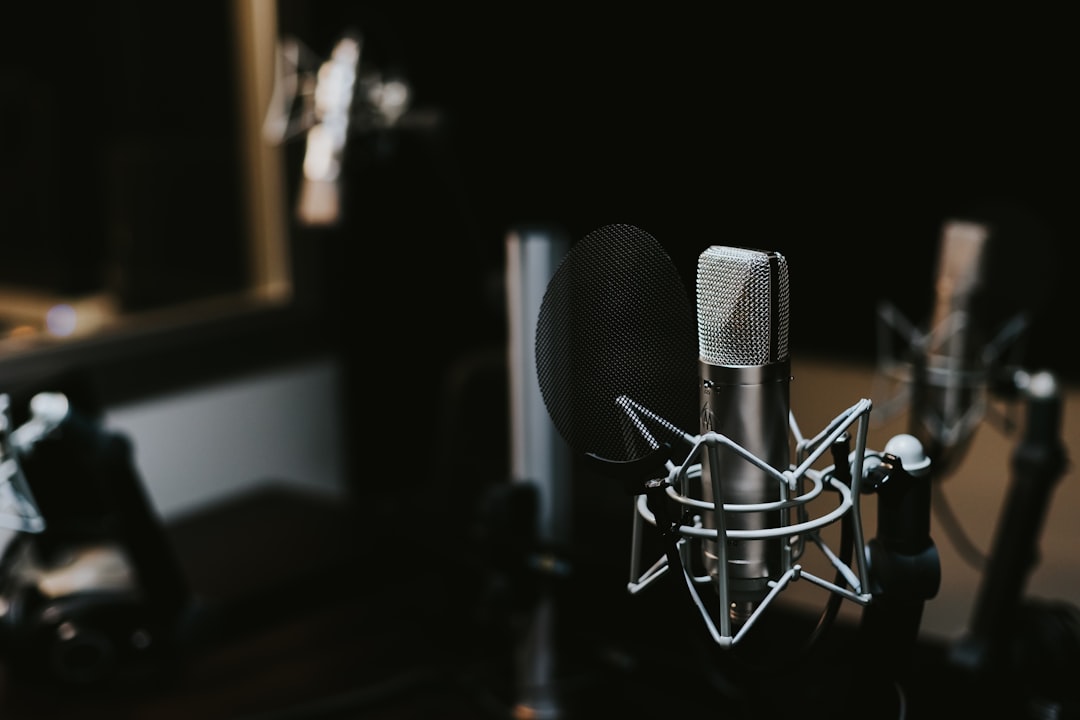
The best microphone for a home studio for most people is a large-diaphragm condenser for detailed vocals and acoustic sources, paired with a workhorse dynamic for louder, noisier rooms. There is no single “best” mic — the right choice depends on your room, your voice or instrument, and whether you already own an audio interface with phantom power.
In a hurry? Jump to our shortlist of microphones — or read on for how we picked them.
How to choose a microphone for a home studio
Before you look at specific models, narrow the field with four questions. Get these right and almost any reputable mic will work.
- Condenser or dynamic? Condensers are more detailed and sensitive — great for treated rooms. Dynamics reject room noise and bleed, which suits untreated bedrooms. See our breakdown of condenser vs dynamic microphones.
- Do you have phantom power? Most condensers need 48V phantom power from an interface or mixer. If you do not have one yet, read what is phantom power.
- What is your room like? A reflective, echoey room flatters dynamics and hurts sensitive condensers. Acoustic treatment changes the equation.
- USB or XLR? USB mics plug straight into a computer and are simplest. XLR mics need an interface but grow with you. Compare a USB mic vs an audio interface.
Large-diaphragm condensers for vocals and acoustic
If your room has even basic acoustic treatment, a large-diaphragm condenser is the most versatile single mic you can own. It captures vocals, acoustic guitar and voiceover with clarity and air.
- Audio-Technica AT2020 — the classic affordable cardioid condenser. Clean, neutral and forgiving, it is the mic countless home studios start with.
- Rode NT1 (5th generation) — exceptionally low self-noise and a smooth, modern top end. A do-everything condenser that punches well above its class.
- AKG C214 — a single-pattern take on the legendary C414 voicing, with a slightly larger, flattering presence lift for vocals.
Dynamic mics for untreated or noisy rooms
If you record in an untreated room, near a computer fan, or in a space with traffic and household noise, a dynamic mic is often the smarter buy. Dynamics are less sensitive, so they pick up far less of the room. Learn more about microphone polar patterns to understand how off-axis rejection helps here.
- Shure SM7B — the broadcast and vocal standard. It rejects room noise beautifully but needs a lot of clean gain (a quality preamp or inline booster helps).
- Shure SM58 — the indestructible stage and tracking dynamic. Cheap, reliable and great for loud vocals.
- Rode PodMic — a broadcast-style dynamic aimed at spoken word and podcasting on a boom arm.
USB mics for the simplest setup
If you do not want an interface at all, a good USB mic gets you recording in minutes. They are ideal for podcasters, streamers and writers capturing scratch ideas.
- Audio-Technica AT2020USB-X — the USB version of the studio classic, with built-in headphone monitoring.
- Rode NT-USB+ — a refined USB condenser with onboard processing and a clean, broadcast-ready sound.
- Shure MV7+ — a hybrid USB and XLR dynamic that works as a USB mic now and an XLR mic later.
Matching the mic to what you record
The “best” mic shifts with the source, so think about what you will record most:
- Spoken word and podcasts — a dynamic like the Shure MV7+ or SM7B gives a clean, broadcast voice and forgives an untreated room.
- Sung vocals in a treated room — a large-diaphragm condenser (Rode NT1, AKG C214) captures detail and air.
- Acoustic guitar and other acoustic instruments — a small-diaphragm condenser, or a large-diaphragm condenser off the 12th fret, works well; see how to record acoustic guitar.
- Guitar amps and loud sources — a dynamic like the SM57 (close cousin of the SM58) is the classic close-mic choice, covered in how to record electric guitar.
- Multiple instruments and a tight budget — start with one versatile mic and add later as your needs become clear.
How many mics do you actually need?
Most home recordists need fewer mics than they think. One versatile mic that suits your main source covers the vast majority of work. A sensible progression is: start with a single workhorse, add a contrasting type (a condenser if you bought a dynamic first, or vice versa) once you know your room, then add a matched pair only if you record stereo sources like acoustic guitar, drum overheads or room ambience. Buying one good mic beats owning three mediocre ones, and a quiet, treated room improves every mic you put in it.
Don’t forget the accessories
The mic is only part of the chain. A shock mount isolates the capsule from desk and floor vibration, and a pop filter tames plosives on vocals. A sturdy boom arm or stand from a brand like K&M keeps positioning consistent. For XLR mics, a decent Mogami or similar balanced cable avoids interference. Above all, spend on acoustic treatment before chasing a more expensive mic — a treated room makes an affordable condenser outperform a premium one in a bare space. If you are building from scratch, our home studio gear checklist shows where a mic fits in the wider setup.
Frequently asked questions
Do I need a condenser or a dynamic mic for my home studio?
If your room is treated and quiet, a large-diaphragm condenser gives you more detail and versatility. If your room is untreated or noisy, a dynamic mic rejects far more of the room and will usually sound cleaner with less effort.
Is a USB microphone good enough for serious recording?
For podcasts, voiceover and demos, yes — modern USB mics sound very good. For music you plan to release and mix heavily, an XLR mic into an interface gives you more flexibility, better preamps and room to upgrade.
What is the one mic I should buy if I can only buy one?
For a treated, quiet room, the Rode NT1 or Audio-Technica AT2020 covers vocals and acoustic instruments well. For an untreated or noisy space, a Shure SM7B or SM58 is the safer single-mic choice.



