
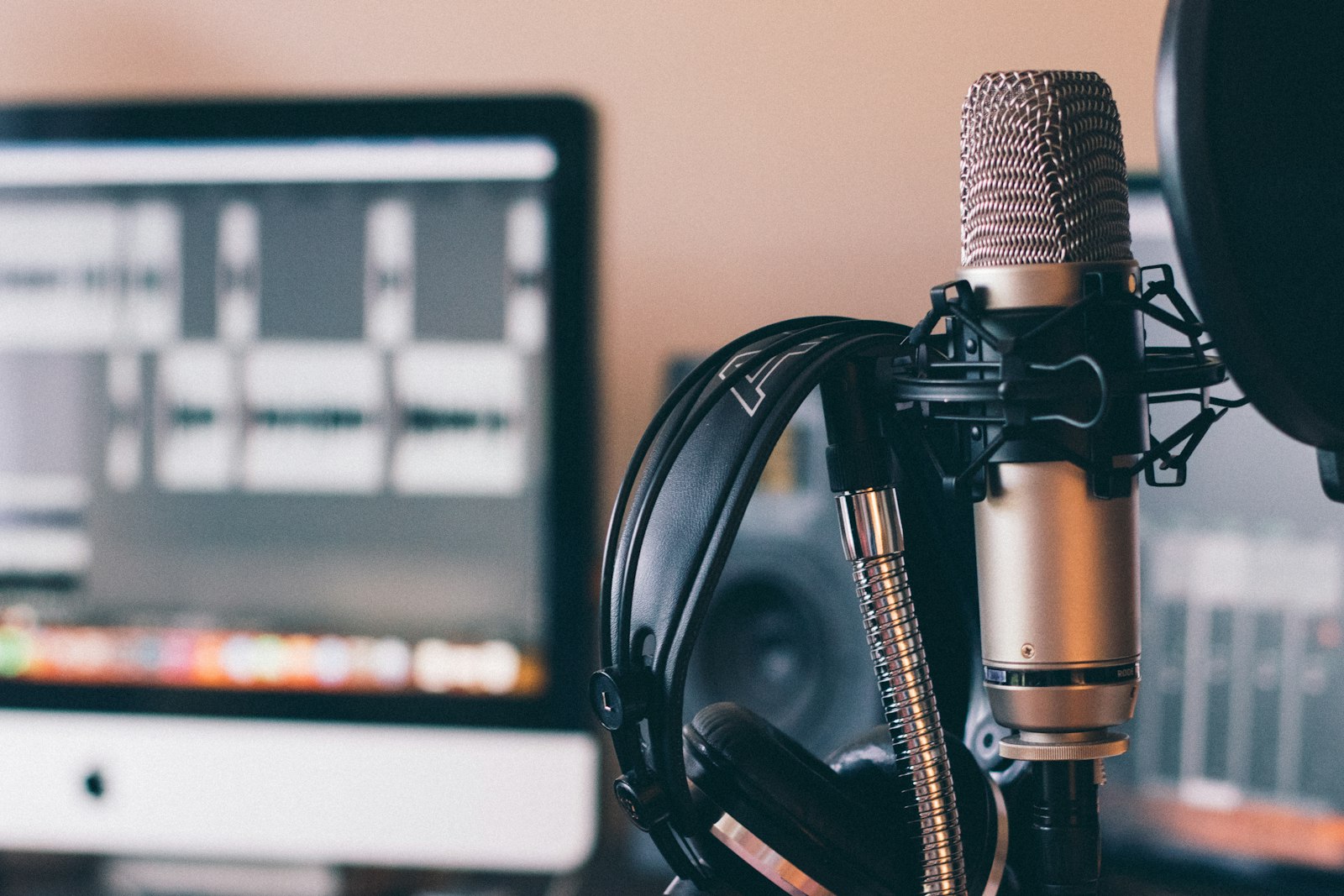
The microphone is where every recording begins, so it’s worth getting right. But the choice is genuinely overwhelming: hundreds of models, wildly different prices, and strong opinions everywhere you look. This guide cuts through it. We’ll explain exactly how to choose a mic for your room and your use case, then recommend specific options for every budget.
In a hurry? Jump to our microphone picks — or read on for the full breakdown.
If you only remember one thing: the best microphone for you depends far more on your room and what you’re recording than on price. A forgiving mic in a real-world bedroom often beats a pricey, ultra-sensitive one that exposes every reflection and footstep.
Some links in this article are affiliate links. If you buy through them we may earn a small commission, at no extra cost to you. We only recommend gear we’d use ourselves.
The quick answer
Short on time? For most people setting up a first home studio in an untreated room, a quality dynamic microphone is the safest buy – it sounds good almost anywhere. Choose a large-diaphragm condenser only if your space is quiet and treated and you want maximum detail. Want it simple and plug-and-play? A good USB mic will get you recording in minutes.
How to choose a home-recording microphone
Condenser or dynamic?
This is the first and biggest decision. Condensers are sensitive and detailed but capture a lot of the room; dynamics are rugged, forgiving and reject room noise. We break the difference down fully in condenser vs dynamic microphones – read that first if you’re unsure.
Polar pattern
For home recording, you almost always want a cardioid pattern: it picks up what’s in front and rejects what’s behind, which keeps room noise and bleed down. Multi-pattern mics (adding omni and figure-8) add flexibility you probably won’t need at first – our guide to microphone polar patterns explains when each one matters.
USB or XLR?
- USB: plugs straight into your computer – simplest, cheapest path, ideal for podcasting and quick starts.
- XLR: needs an audio interface, but offers better quality, upgrade flexibility, and access to the full world of microphones.
If you think you’ll grow into music production, XLR is the better long-term investment. If you just want to talk into a mic today, USB is hard to beat.
Match it to your room
Be honest about your space. An untreated bedroom favours a dynamic mic; a quiet, treated room lets a condenser shine. Buying a sensitive condenser for a bad room is the most common and most expensive beginner mistake.
Set a realistic budget
You can get genuinely good results without spending a lot. Spend enough to avoid the bottom of the range, but know that a mid-priced mic in a treated room beats an expensive one in a bad room every time. If money is tight, our roundup of the best budget microphones is a good place to start.
The main types of microphone
- Large-diaphragm condenser (LDC): the classic studio vocal mic – detailed and open, best in treated rooms.
- Small-diaphragm condenser (SDC): precise and fast, great for acoustic guitar, cymbals and detailed sources. (See large- vs small-diaphragm condensers if you’re torn between the two.)
- Dynamic: rugged and forgiving – excellent for vocals, podcasting, amps and untreated rooms.
- USB: a built-in interface for plug-and-play simplicity; great for podcasting and content creation.
Best microphones by use case
Best budget all-rounder
A great first mic that handles vocals, podcasting and general use without breaking the bank.
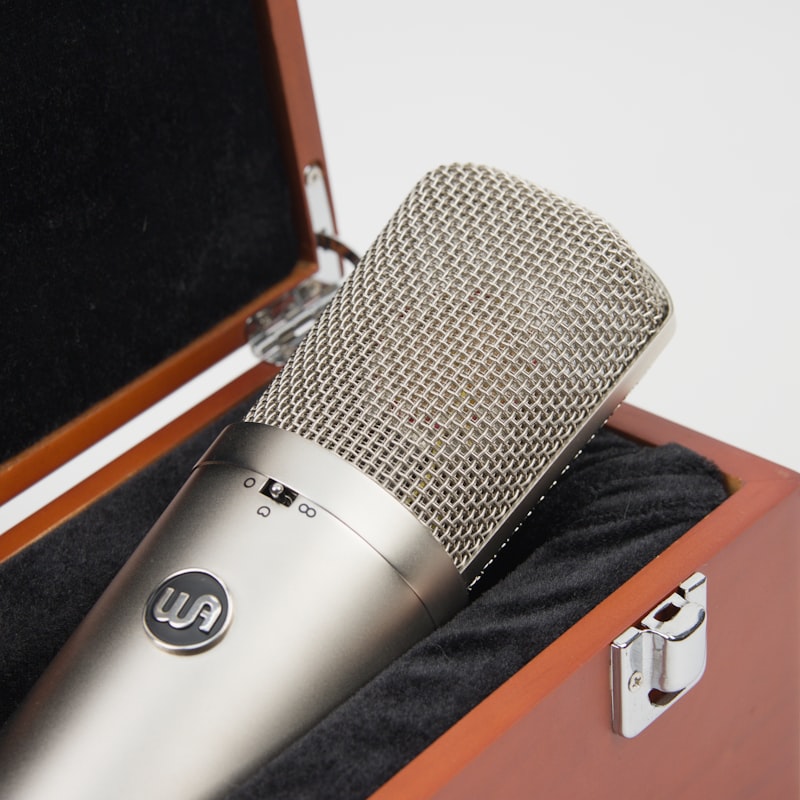
A versatile cardioid mic tuned for clear, present vocals at home.
Best for vocals
If vocals are your priority and your room is reasonably controlled, this is where to look.
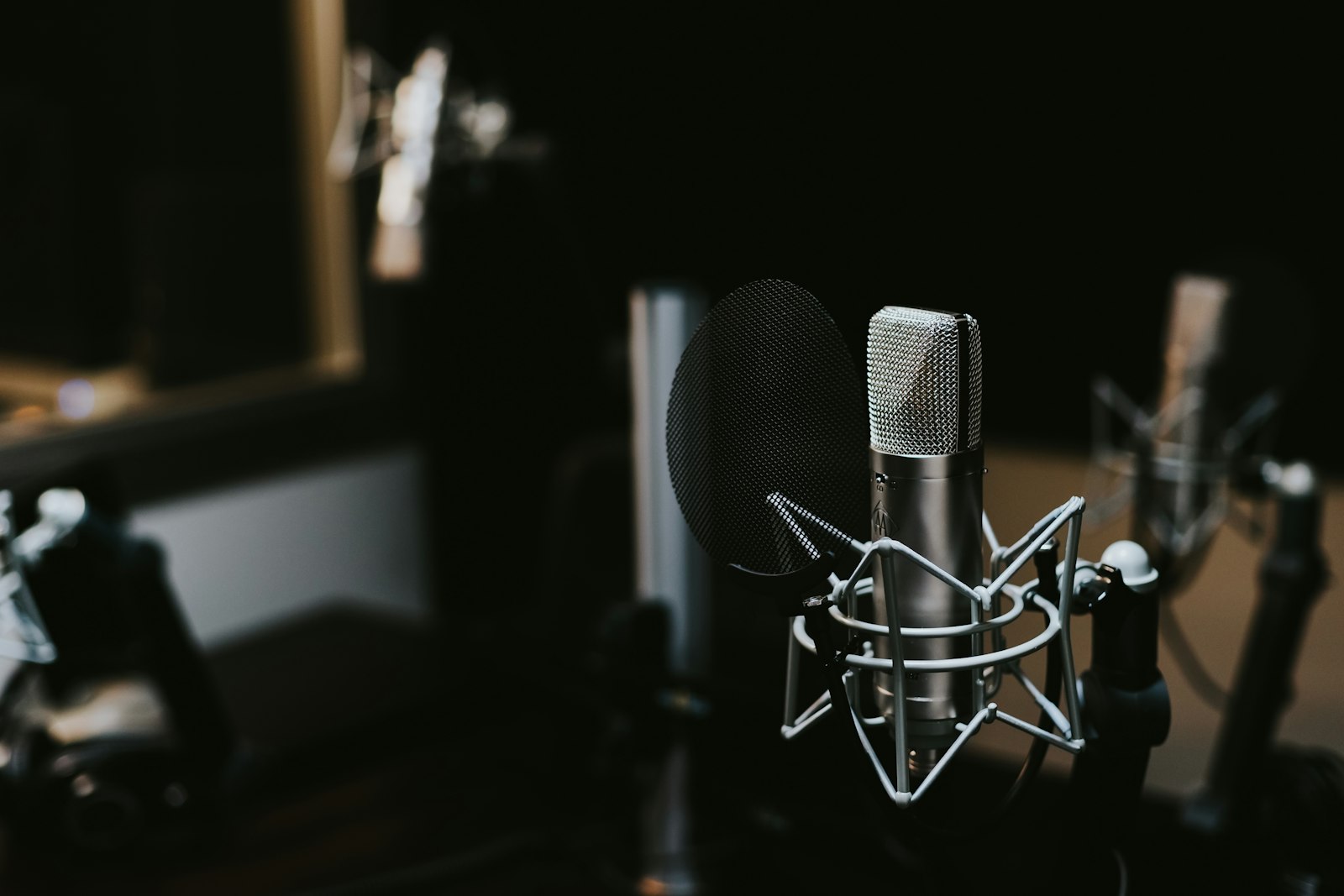
Detailed, studio-grade condenser for vocals and acoustic instruments in a treated room.
Best for podcasting and streaming
For spoken word, a dynamic mic that rejects room noise and keyboard clatter is usually the smart choice.
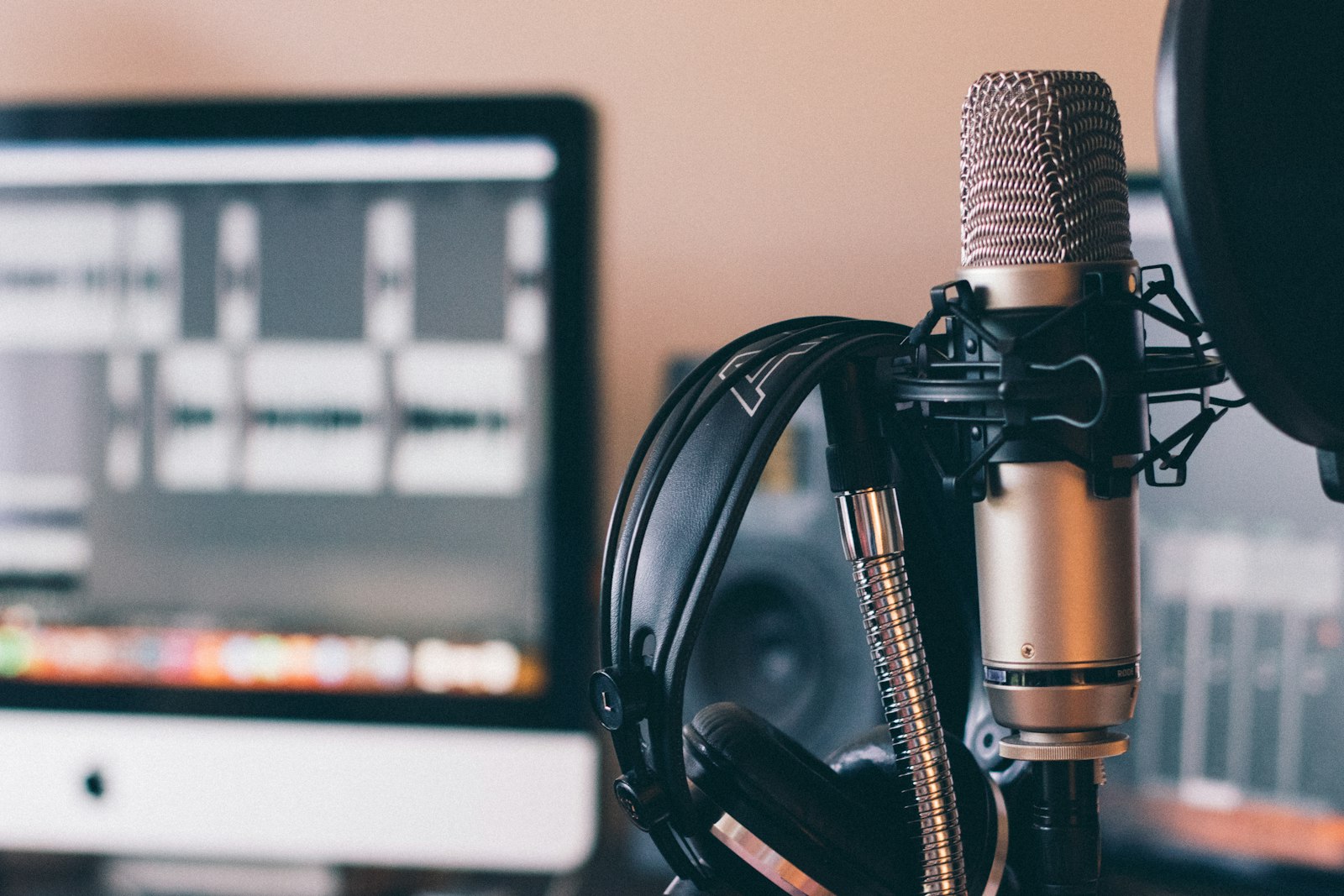
A smooth, broadcast-ready dynamic that rejects room noise — ideal for podcasting and untreated rooms.
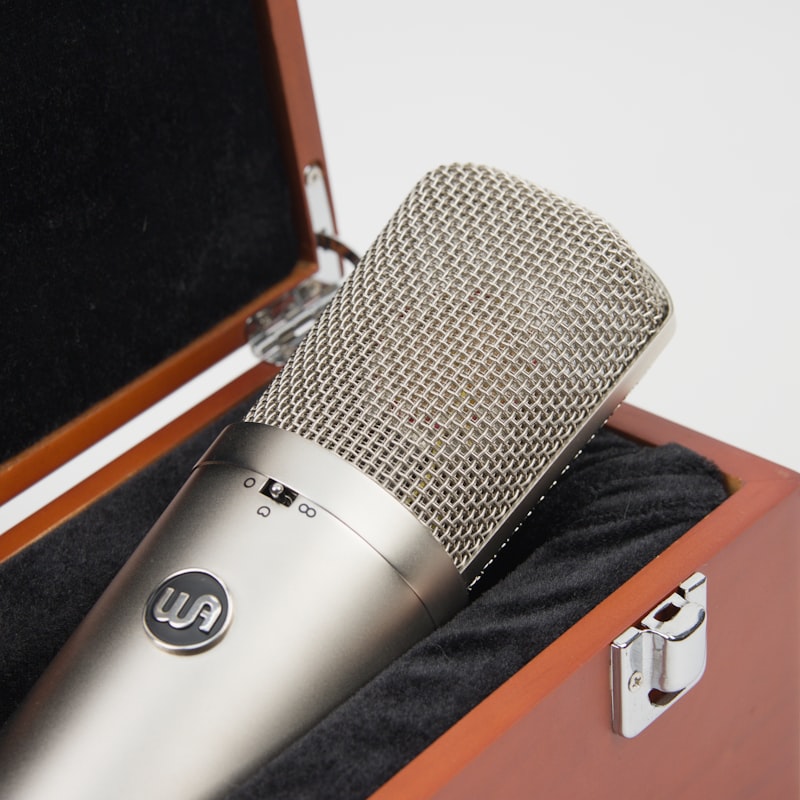
A hybrid USB/XLR mic built for podcasts and streaming — plug in and record.
Best for acoustic instruments
Capturing acoustic guitar, piano or strings rewards a detailed condenser in a good room.
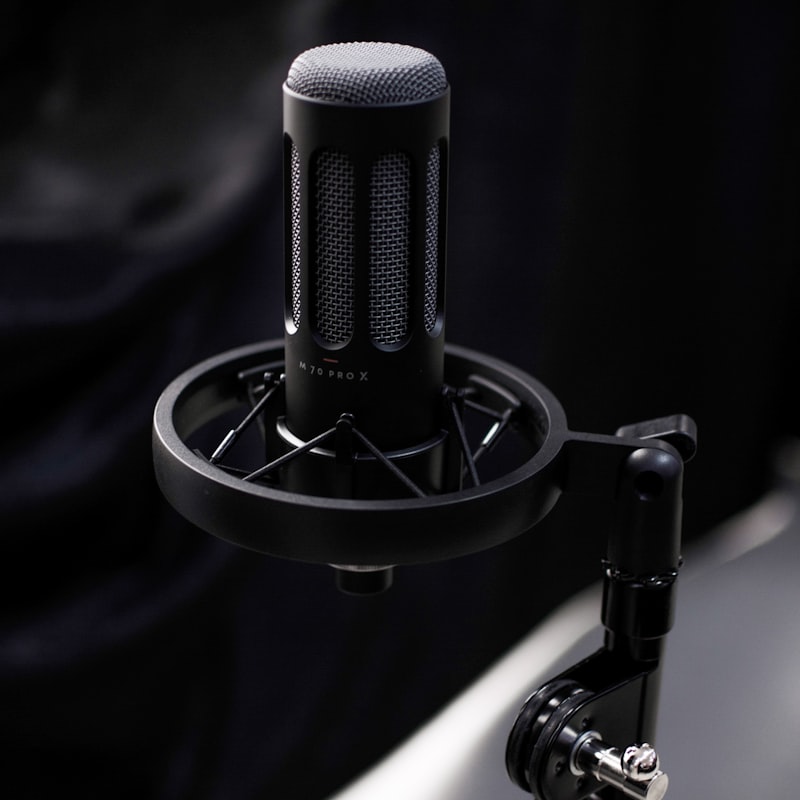
A smooth, vintage-voiced mic for guitars, brass and natural room sound.
Best USB mic
For the simplest possible setup with no interface required.
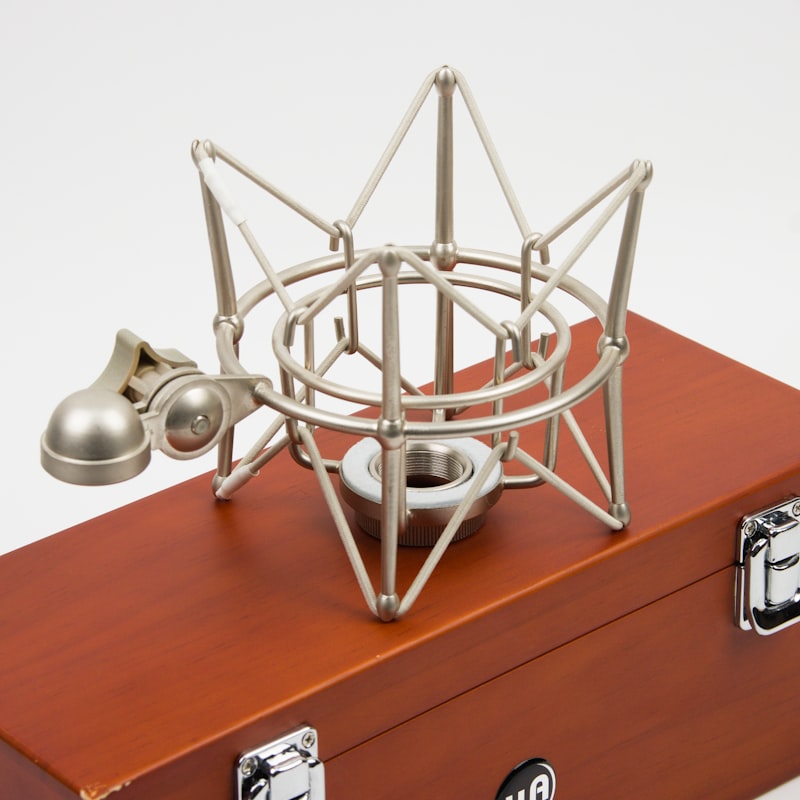
Plug-and-play USB condenser for desktop recording — no interface needed.
→ Browse all microphones in the Violet Recording shop
What else you’ll need
- An audio interface (for any XLR mic) – and our setup guide.
- A sturdy stand or boom arm to position the mic correctly.
- A pop filter to control plosives, plus a decent XLR cable.
- Closed-back headphones for monitoring while you record.
How we choose
Our recommendations are based on real-world use in typical home rooms, sound quality for the price, and how forgiving each mic is for beginners – not just spec sheets. We favour mics that make good recordings easy, not ones that only shine in a perfect studio.
Frequently asked questions
How much should I spend on my first mic?
Enough to clear the very bottom of the range, but no more than you need. A solid mid-priced mic in a treated room will outperform an expensive one in an untreated room, so budget for some acoustic treatment too.
Is USB or XLR better for beginners?
USB is simpler and cheaper and great for podcasting. XLR (with an interface) sounds better and gives you room to grow into music production – choose based on where you’re headed.
Do I need a condenser mic for vocals?
No. Condensers capture more detail, but in an untreated or noisy room a dynamic mic often sounds more professional because it ignores the room.
Once you’ve picked a mic, get the most from it with our vocal mic placement guide, or see how it fits a full setup in build a home studio on a budget.



