
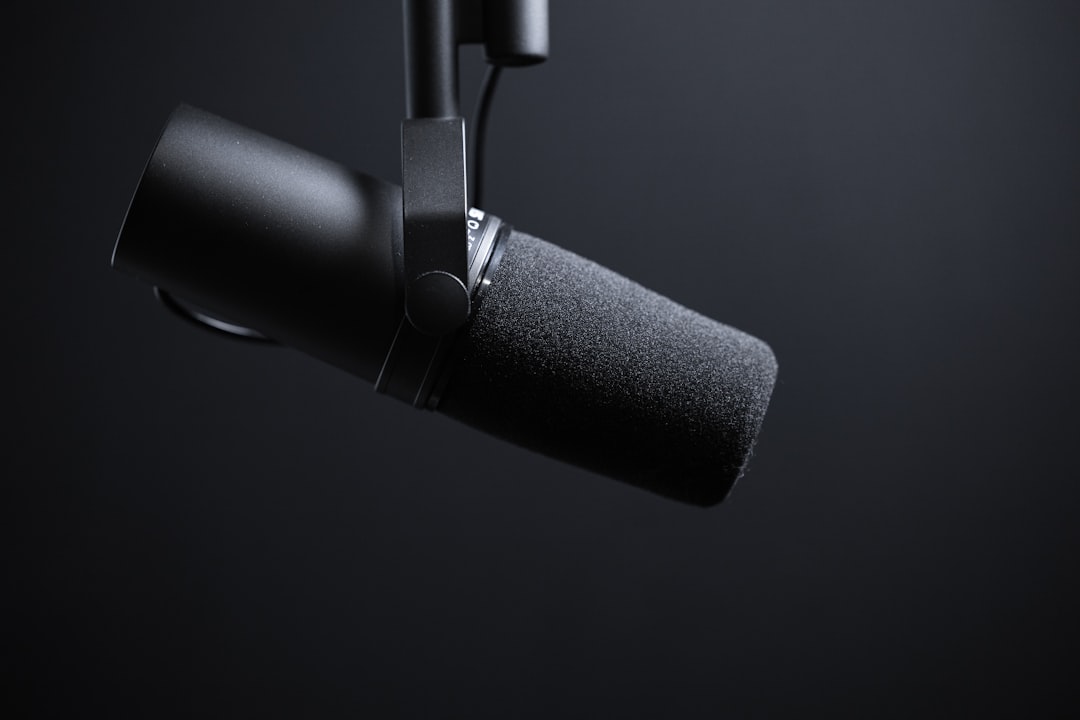
Microphone sensitivity is how much electrical output a mic produces for a given amount of sound pressure hitting it. A high-sensitivity mic puts out a stronger signal for the same sound, so it needs less preamp gain; a low-sensitivity mic puts out a weaker signal and needs more gain. It is a measure of output level, not of recording quality or how “good” the mic is.
How microphone sensitivity is measured
Sensitivity is usually given in millivolts per pascal (mV/Pa) or as a negative number in decibels relative to a reference (dBV/Pa). A pascal is a standard reference sound pressure. The two ways of writing it mean the same thing:
- A higher mV/Pa figure (or a less negative dB figure) means more sensitive — more output.
- A lower mV/Pa figure (or a more negative dB figure) means less sensitive — less output.
The reason two units exist is that they answer slightly different questions. The mV/Pa figure is an absolute voltage, which is handy when you want to picture how much signal is actually arriving at your preamp. The dB figure is a ratio against a fixed reference, which makes it easier to compare one mic against another at a glance. Manufacturers measure sensitivity by feeding the mic a calibrated, steady tone — conventionally a 1 kHz sine wave at one pascal — and reading the output voltage. Because the test tone is standardised, two mics quoted at the same reference can be compared directly, even if they were made by different companies.
As a rule of thumb, condenser mics are far more sensitive than dynamic mics. That is why a Shure SM7B (a dynamic) needs a lot of clean gain, while a typical condenser barely sips it. The deeper differences are covered in condenser vs dynamic microphones.
What sensitivity is not
Two common confusions are worth clearing up:
- Sensitivity is not loudness or quality. A more sensitive mic is not louder in any meaningful sense once you set your gain correctly. It simply needs less gain to reach the same level.
- Sensitivity is not self-noise. Self-noise is the hiss a mic generates on its own. A low-noise mic can have high or low sensitivity. What matters for clean quiet recordings is the relationship between the two, often expressed as signal-to-noise ratio.
Why sensitivity matters in practice
Sensitivity affects your whole recording chain:
- How much gain you need. A low-sensitivity dynamic may push your preamp near its limit, where its own noise creeps in. That is why people add inline gain boosters to mics like the SM7B, and why your interface’s preamp quality matters; see how to set up an audio interface.
- Noise floor. Running a quiet, low-sensitivity mic at maximum gain raises the noise floor. Matching mic sensitivity to your preamp keeps recordings clean — part of good gain staging.
- Room pickup. A very sensitive condenser also captures more of the room, which can mean more echo and background noise in an untreated space.
Maximum SPL: the other side of the coin
Sensitivity tells you about quiet output, but maximum SPL tells you how loud a sound the mic can handle before it distorts. A highly sensitive condenser can still take loud sources if it has a high max SPL or a built-in pad (an attenuator that lowers the signal). For loud sources like screamed vocals or a kick drum, max SPL matters as much as sensitivity. Mic size plays a role too, as our guide to large vs small-diaphragm condensers explains.
It helps to think of sensitivity and max SPL as the two ends of a mic’s usable range. Sensitivity describes how the mic behaves at the quiet end, where you are fighting against the noise floor. Max SPL describes the loud end, where you are fighting against distortion. The gap between those two points is roughly the range of sources the mic can handle gracefully. A mic with high sensitivity and a modest max SPL is happiest on quiet, detailed sources like fingerpicked guitar or soft spoken word. A mic with lower sensitivity and a high max SPL is built to sit close to loud sources without complaint.
How to use sensitivity when choosing a mic
You rarely buy a mic on sensitivity alone, but it is a useful sanity check. If you have a budget interface with weak preamps, a more sensitive condenser is easier to get a clean level from than a very low-output dynamic. If you record loud sources in a busy room, a lower-sensitivity dynamic with a tight pattern keeps noise out. Match the mic to your room, your source and your preamp, and let sensitivity inform — not decide — the choice. For a step-by-step walkthrough of weighing these specs together, see our microphone buying guide, or browse our full microphones category.
Common mistakes with microphone sensitivity
A few avoidable errors crop up again and again once people start reading spec sheets:
- Treating a more sensitive mic as automatically better. Sensitivity is a single number describing output, not a verdict on how the mic sounds. Plenty of celebrated mics have modest sensitivity figures.
- Pairing a very low-output dynamic with a weak preamp. This is the classic recipe for hissy recordings. If your interface cannot deliver clean gain, choose a more sensitive mic or add a quality inline booster rather than cranking the gain knob to its limit.
- Forgetting the room. A high-sensitivity condenser will faithfully reproduce a noisy fridge, a ceiling fan and reflections off bare walls. The more sensitive the mic, the more your environment becomes part of the recording.
- Ignoring the pad. If a sensitive condenser is overloading on a loud source, engaging its pad (if it has one) often solves the problem without changing the mic at all.
Frequently asked questions
Does higher microphone sensitivity mean a better microphone?
No. Sensitivity only tells you how much signal a mic produces for a given sound, so it sets how much gain you need. Sound quality depends on the capsule, build, self-noise and how well the mic suits your source and room.
Why does my dynamic mic need so much gain?
Dynamic mics have much lower sensitivity than condensers, so they produce a weaker signal and need more preamp gain. With low-output dynamics like the Shure SM7B, many people add an inline booster or use an interface with strong, quiet preamps. If you are shopping for one, our roundup of the best microphone preamps covers clean, high-gain options.
Is microphone sensitivity the same as self-noise?
No. Sensitivity is the output level for a given sound pressure, while self-noise is the hiss the mic makes on its own. Both affect how clean quiet recordings are, but they are separate specifications.
Can I change a microphone’s sensitivity?
You cannot change the mic’s underlying sensitivity, since it is a fixed property of the capsule and circuitry. You can, however, change how much signal reaches your recorder by adjusting preamp gain, engaging or disengaging a pad, or adding an inline gain booster for very low-output mics. Moving the mic closer to the source also raises the level reaching it without touching the sensitivity figure at all.



