
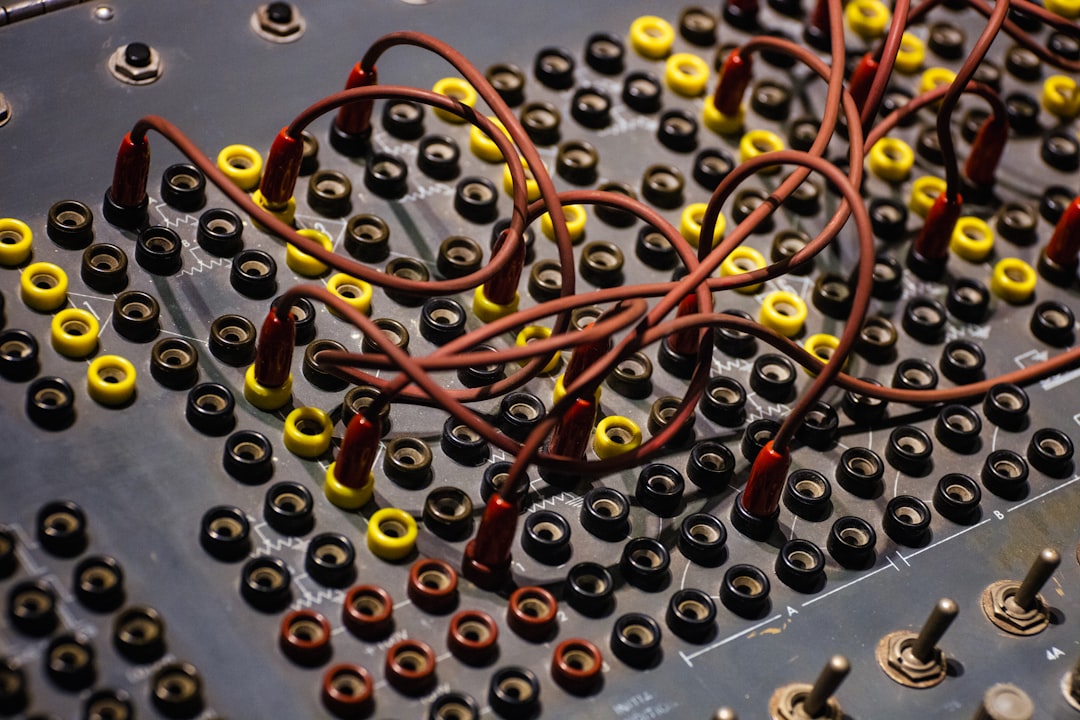
Techno lives or dies on its sound design. With sparse arrangements and long, hypnotic sections, every element has to carry weight, so the kick, the percussion, the stabs and the textures all need character built in from the ground up. Sound design for techno is about rawness, drive and movement: punchy drums, gritty basses, metallic hits and evolving atmospheres that keep a repetitive groove alive.
This guide walks through designing the key elements of a techno track. For the foundations of synthesis it draws on, see how to design sounds with a synth.
The aesthetic: raw, driving, hypnotic
Before reaching for a synth, it helps to know the target. Techno favours sounds that are slightly imperfect, saturated and physical. Clean and polished often reads as wrong; a bit of distortion, analogue drift and noise makes elements feel alive. Effective sound design for techno leans on repetition with subtle evolution, so sounds need built-in movement to stay interesting over long stretches.
It also helps to design for the system the music will be heard on. Most techno is built for big rooms and loud monitoring, where sub energy and transient detail both matter enormously. A sound that feels exciting on small laptop speakers may turn out thin and brittle on a club rig, while something that feels restrained up close can land with real force at volume. Reference your work at low levels and, where you can, on different speakers, and keep an eye on how much of each sound lives in the sub, the low-mids and the high end so nothing fights for the same space.
Designing the techno kick
The kick is the heartbeat. A strong techno kick usually has:
- A tight, punchy body from a pitched-down sine with a fast pitch envelope.
- A defined transient (a click or noise burst) so it cuts on any system.
- Saturation to add harmonics and make it feel solid and loud.
Many producers layer a clean sub-heavy kick with a punchier top layer, then resample and process the result. Our designing drum sounds guide covers the synthesis in depth.
The length and decay of the kick shape the whole groove. A short, tight kick leaves room for a busy hat pattern and a moving bassline, which suits faster, more percussive styles. A longer kick with more sustained sub fills the low end on its own and pushes the bass into the gaps between hits, which is common in deeper, rolling tracks. Tune the fundamental so it sits in a sensible place for your key, then check it against the bass; if both occupy exactly the same note and timing, the low end turns to mud no matter how good each sound is on its own.
Bass and the kick relationship
Techno basses are often raw and aggressive: a saw or square through a filter, driven hard with distortion. The same fundamentals from our guide on how to design a bass sound apply, but the critical part here is the relationship with the kick. Sidechain the bass to the kick so the low end stays clean, or tune the bass so it sits in the gaps. Use the multiband distortion approach from our distortion for sound design guide to add grit without losing the sub.
Stabs and hypnotic chords
The classic techno stab is a short, filtered chord with a snappy envelope. Build it from a detuned saw, apply a quick filter envelope for the pluck, and add reverb or delay for space. Modulating the filter slowly over many bars keeps a repeated stab evolving. This is a perfect place to apply our modulation sound design techniques, since subtle automated movement is what makes a loop hypnotic rather than monotonous.
Metallic and industrial percussion
Beyond the kick, techno percussion is often metallic, noisy and industrial. Sources include:
- FM synthesis for clangy, inharmonic metallic hits, which our guide on how to use FM synthesis for sound design breaks down in detail.
- Field recordings of metal, machinery and objects, processed heavily.
- Noise shaped with envelopes and filters for hats and rides.
Distortion, bitcrushing and reverb turn raw hits into gritty, characterful percussion. Resampling these and re-processing them adds the worn, physical quality the genre loves.
Atmospheres and movement
Long techno sections need background life. Drones, noise beds and evolving pads fill the space and build tension. Slowly modulated filters, reverb-drenched textures and field recordings work well here. Our guide to textures and atmospheres is the natural companion, and these beds are often where a track’s emotional weight lives.
A practical workflow for building a sound
It is easy to get lost tweaking a single patch for hours. A more reliable approach is to work in rough passes and commit as you go. A simple order that works for most techno elements:
- Start from the role, not the preset. Decide what the sound is for, whether it is a driving kick, a background drone or a foreground stab, then pick a source that suits it.
- Get the raw tone right first. Choose the oscillator or sample, set the basic filter and envelope, and make it sit roughly in the mix before adding effects.
- Add character with saturation and distortion. This is where most of the techno grit comes from, so reach for it early rather than treating it as a final polish.
- Introduce movement. Add slow filter or modulation changes so the sound evolves over the long sections the genre uses.
- Resample and reprocess. Bounce the result to audio, then treat that audio as a new source you can mangle further; see how to resample.
Committing early stops you from endlessly second-guessing and gives later processing something solid to react to.
Common mistakes to avoid
- Over-cleaning everything. Removing all the noise, drift and distortion leaves sounds that feel sterile and lifeless against a sparse arrangement.
- Letting the kick and bass collide. Without sidechaining or careful tuning, the two most important low elements cancel and the track loses its weight.
- Static loops. A sound with no movement becomes tiring within a few bars; build in slow automation from the start.
- Too many competing layers. Stacking lots of busy elements muddies the groove. Techno is often more powerful with fewer, stronger sounds.
- Mixing only at high volume. Loud monitoring flatters everything; check balances quietly so the real relationships between elements are clear.
Processing tips that define the techno sound
- Saturate liberally for warmth, harmonics and perceived loudness.
- Use the room: reverb and delay glue the sparse elements together.
- Automate filters across the arrangement to keep loops moving.
- Resample and reprocess to layer grit and commit your sounds; see how to resample.
- Embrace imperfection: noise, drift and slight detuning add character.
Frequently asked questions
What synth is best for techno sound design?
There is no single answer. Subtractive synths like the stock ones in most DAWs handle kicks, basses and stabs, while FM synths excel at metallic percussion. Serum, Vital and Pigments all cover the ground; technique matters more than the tool.
How do I make my techno kick hit harder?
Combine a tight pitched body with a clear transient, add saturation for harmonics so it reads on small speakers, and keep the bass out of its way with sidechaining or careful tuning. Layering and resampling help you commit a powerful kick.
Why does my techno loop feel boring after a few bars?
It lacks movement. Add slow filter automation, subtle modulation on stabs and textures, and small variations in percussion. Repetition with evolving detail is what makes techno hypnotic instead of monotonous.
Should I use samples or synthesise everything myself?
Both are valid, and most producers mix the two. Synthesising from scratch gives you full control over the body of kicks, basses and stabs, while samples and field recordings are a fast route to characterful, real-world percussion and textures. The key is to process whatever you use, since resampling and re-treating sounds is what gives a track its consistent, hand-made feel.



