
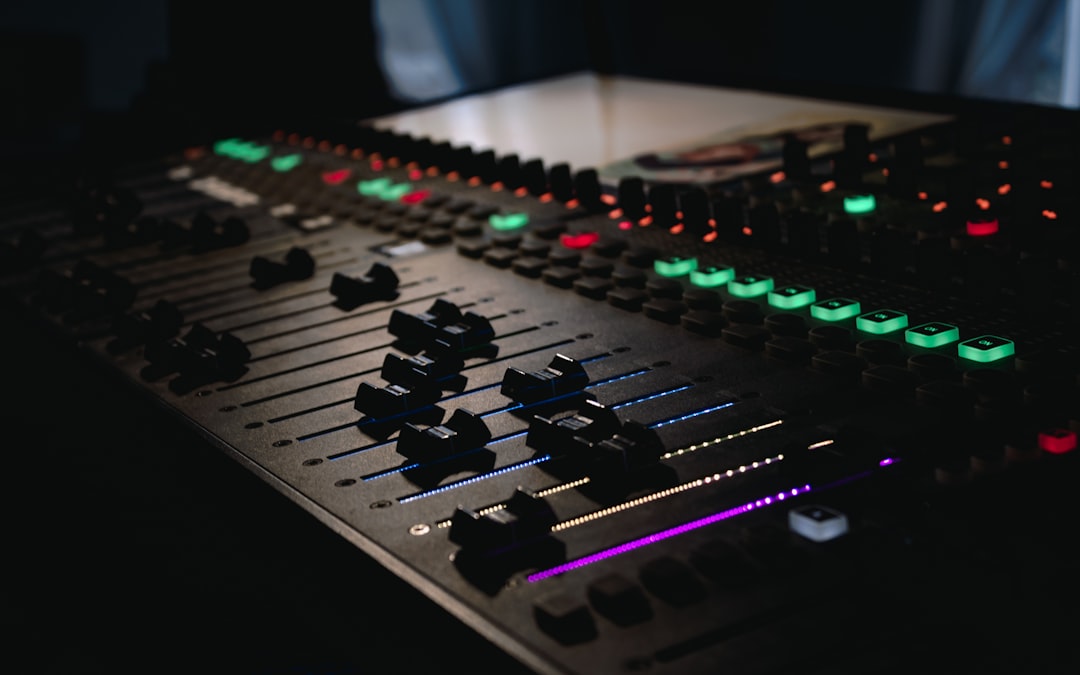
To master classical music well you have to unlearn most of the loudness habits that pop and EDM mastering teach you. Orchestral, chamber, choral and solo acoustic recordings live and die by their dynamic range: the whisper of a solo cello before a full tutti is the whole point. Your job is to make the recording translate across systems without flattening that contrast. That means light-touch tonal shaping, transparent peak control, and loudness targets that sit well below the crushed levels the charts chase. Get those three things right and the music does the rest.
Why you master classical music differently
Pop masters routinely hit -8 to -10 LUFS integrated with a wall of limiting. Do that to a Mahler symphony and you destroy the very swings that make it music. A well-recorded orchestra can span 40 dB or more between the quietest pianissimo and the loudest fortissimo. Streaming platforms normalise playback anyway (most target around -14 LUFS integrated), so pushing a classical master hot buys you nothing but pumping and fatigue.
- Preserve crest factor. Crest factor is the gap between your peaks and your average level. Classical needs a healthy one. If your limiter is pulling more than 1-2 dB of gain reduction on the loudest passage, you are compressing the dynamics, not just catching stray peaks.
- Respect the room. A concert-hall recording captures real reverb and depth. Aggressive EQ or stereo widening smears that spatial image, which is often the most beautiful thing on the tape.
- Trust the performance. The engineer and players already balanced the dynamics in the room. You are polishing, not rebalancing.
A gentle chain that respects the music
Start by finding the true peak and integrated loudness of the whole piece with a proper meter. Youlean Loudness Meter is free, reads integrated LUFS, short-term LUFS and true-peak, and shows you the loudness history across the movement so you can see where the peaks actually sit. Measure before you touch anything.
For tone, reach for a clean surgical-and-broad EQ. FabFilter Pro-Q in its natural-phase or linear-phase mode is ideal because it colours nothing. Typical classical moves are small and wide:
- Low end: a gentle high-pass around 20-30 Hz removes subsonic rumble, air-handling noise and stage-floor thumps without touching the double basses. If the hall booms, a wide -1 to -1.5 dB dip centred around 150-250 Hz (Q of about 0.7) opens things up.
- Mud vs. warmth: resist the urge to scoop. A broad half-decibel shelf is plenty. Why? Because narrow cuts in the low mids thin out the body of cellos, violas and the lower woodwinds.
- Air: a very gentle high shelf of +0.5 to +1.5 dB above 12-15 kHz can restore the sense of hall air if the recording is slightly dull. More than that and string sibilance and bow noise become harsh.
For dynamics, if you need any glue at all, use a transparent, program-dependent compressor set to barely move. TDR Kotelnikov is a free mastering-grade dynamics processor that excels here: a slow attack (30-50 ms), auto or slow release, a ratio near 1.5:1, and a threshold that only catches the loudest 1 dB of the biggest peaks. On many acoustic masters you can skip compression entirely.
Loudness and peak targets that translate
Here is where classical mastering differs most from everything else. Because playback normalisation will turn your master down to roughly -14 LUFS anyway, there is no reward for crushing it. Aim for an integrated loudness in the region of -16 to -20 LUFS for full orchestral works, and let quieter chamber or solo pieces sit even lower. The music will still sound loud in the fortissimos because you have kept the dynamic range intact.
- True-peak ceiling: set your limiter to a true-peak ceiling of -1 dBTP. This leaves headroom for lossy codecs (MP3, AAC, streaming) that can overshoot on conversion and clip. For archival or CD-only distribution you can go to -0.3 dBTP, but -1 dBTP is the safe universal choice.
- Limiting amount: the limiter should be a safety catch, not a loudness tool. If it is working hard, turn down your input gain instead. A brickwall limiter like FabFilter Pro-L 2 with true-peak limiting enabled and a transparent style setting will catch stray transients without audible artefacts.
- Check the quiet parts. Solo intros should still be audible on a phone in a noisy room, but never at the expense of the dynamic climax. This is a judgement call, and it is why classical mastering stays a craft.
If your loudness range (LRA, which Youlean also displays) reads very high, that is usually a good sign for classical, not a problem to fix.
Editing, spacing and the final export
Mastering an album of classical repertoire is as much about assembly as processing. Between movements, use the natural hall tail rather than a hard cut, and keep gaps consistent (typically 2-4 seconds between movements, slightly longer between separate works). Match the perceived loudness of adjacent tracks by ear and by integrated LUFS so the listener never lunges for the volume knob.
Export at the highest resolution your source allows, usually 24-bit, and only dither when you reduce bit depth for the final delivery format. If you are new to putting a chain together, our broader mixing and mastering guide walks through signal order and gain staging, and the free metering and analysis tools in our audio tools hub let you sanity-check loudness and spectrum without spending a cent. For a start-to-finish overview of the whole discipline, our mastering guide ties these ideas together.
The through-line for anyone learning to master classical music: subtlety wins. Small EQ moves, a limiter that barely touches the signal, and loudness targets that let the fortissimos actually feel loud will beat a hot, squashed master every time.



