
Short answer: this at2020 review exists because the Audio-Technica AT2020 is still one of the safest first-condenser recommendations you can make in 2026. It’s a cardioid, XLR, large-diaphragm condenser that punches well above its price for vocals, voiceover, podcasting and acoustic instruments — provided you have an audio interface and a little acoustic sense. It won’t magically fix a bad room, but it will capture a clean, detailed signal that holds up as your skills grow.
Violet Recording is reader-supported — we may earn a commission from links on this page, at no extra cost to you.
The verdict: is the AT2020 still worth buying?
Rating: 4.5/5. As the benchmark budget XLR condenser — clean, reliable and endlessly recommended as a first serious mic — the AT2020 is an easy pick for anyone who already has (or is buying) an interface with phantom power to run it.
If you want the headline: the AT2020 remains the benchmark “your first real studio microphone” pick. It’s the mic countless home studios started with, and it earned that reputation honestly — neutral-to-bright detail, a build that survives daily use, and a price that leaves budget for the interface and cable you’ll also need. Shop on Amazon — Check the current price on Amazon.
What the AT2020 actually is
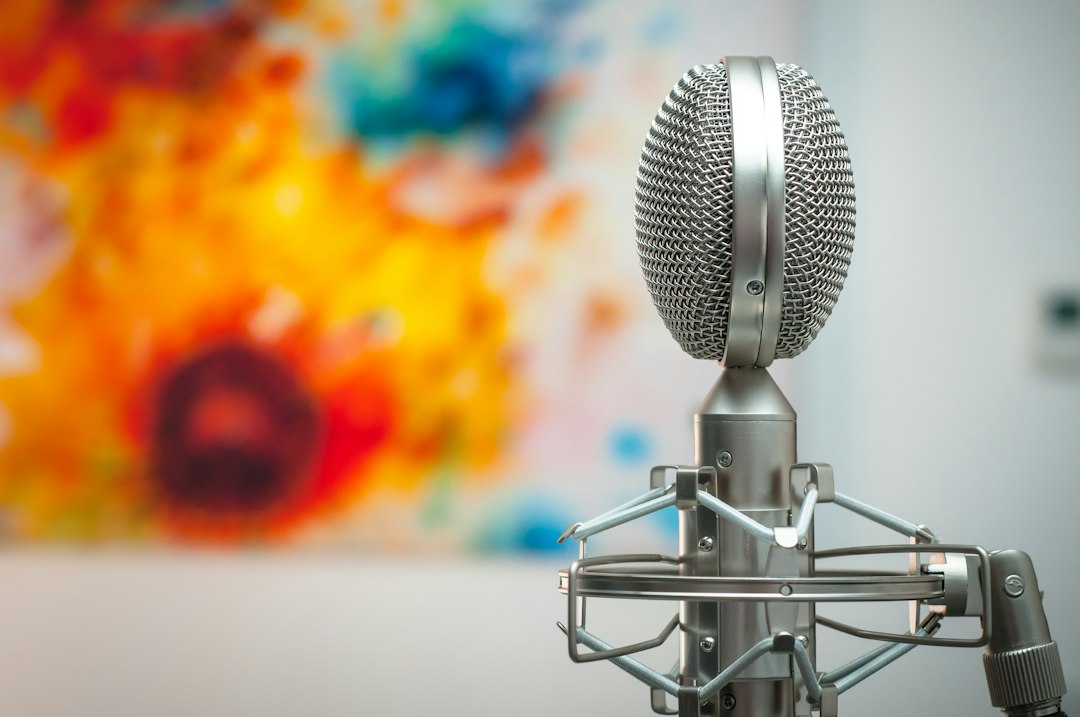
The AT2020 is a side-address, large-diaphragm condenser microphone with a fixed cardioid polar pattern. “Side-address” means you speak or sing into the front face of the mic (the side with the logo), not the top end. “Cardioid” means it’s most sensitive to sound directly in front of it and rejects sound from the rear — useful in an untreated room because it hears less of what’s bouncing around behind the mic.
Because it’s a condenser, it needs 48V phantom power to work. That power comes from an audio interface or a mixer with a proper mic preamp — the AT2020 is not a USB microphone in its standard form and does not plug into a laptop on its own. If you’re not sure how phantom power works, our explainer on what phantom power is covers it in a couple of minutes. This is the single most common point of confusion for first-time buyers, so it’s worth being clear before you order.
Audio-Technica has also sold USB variants over the years (the AT2020USB+ and AT2020USB-X), which have a built-in converter and connect straight to a computer. Those are convenient for streaming and podcasting, but the microphone this review focuses on is the classic XLR AT2020 — the version you’d pair with an interface as the front end of a proper recording chain.
Sound and build: the AT2020 review of features that matter
Tonally, the AT2020 is fairly neutral with a gentle lift in the upper mids and highs. That gives vocals and spoken word a sense of clarity and “air” without sounding harsh on most sources. It’s not a dark, vintage-flavoured mic, and it’s not a hyped, sizzly one either — it sits in a sensible middle that flatters a wide range of voices and instruments, which is exactly why it’s such a common recommendation.
The published specs are honest and unremarkable in the best way: a cardioid pattern, a wide frequency response suitable for full-range sources, a maximum SPL high enough to handle loud singers and acoustic guitars without distorting, and a low self-noise figure that’s respectable for the price. It does not have a pad or a high-pass filter switch — the body is deliberately simple. If you want those controls, you handle them at the interface or in your DAW instead.
Build quality is a genuine strength. The AT2020 has a solid metal body that feels reassuringly dense for an entry-level mic, and it holds up to years of desk use, knocks and travel. This durability is a big part of why used units are everywhere and still working — it’s a design that ages well.
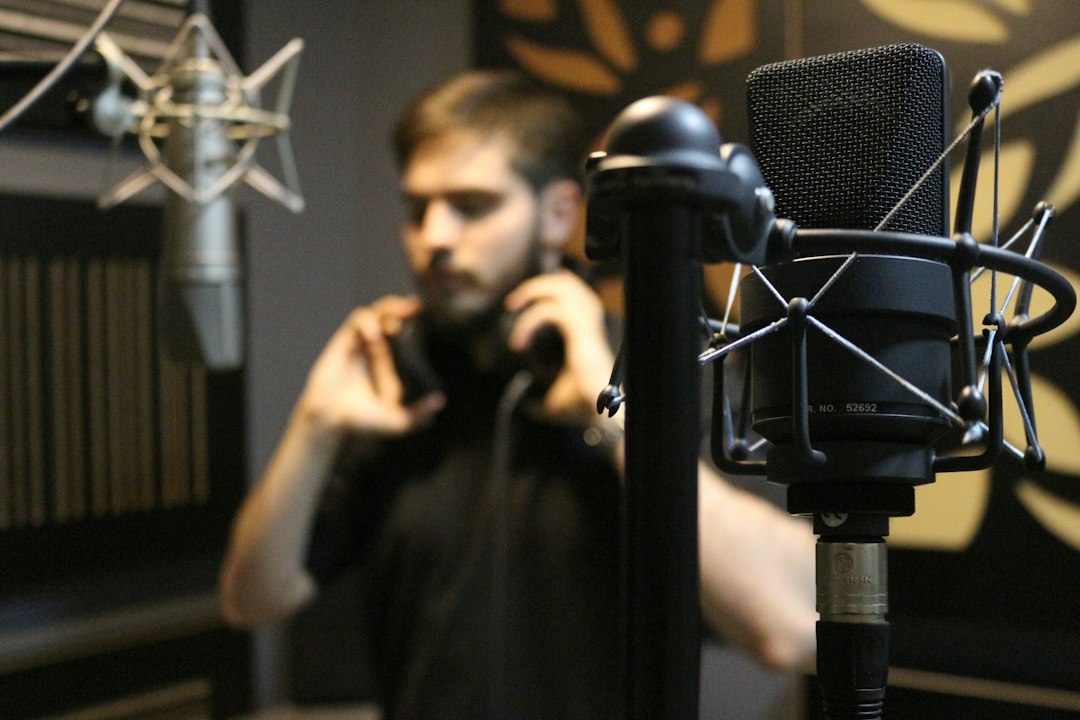
What’s in the box is minimal: the microphone, a stand mount (thread adapter) and a soft pouch. Note what’s not included — there’s no shock mount and no XLR cable in the standard package, so budget for both. A shock mount matters more than beginners expect because a condenser this sensitive will happily transmit desk bumps and footsteps up the stand; if that’s new to you, here’s what a shock mount does and why it’s worth the small extra outlay.
How it performs and why it’s so widely recommended
The AT2020’s reputation is built on consistency rather than character. Across the huge number of home studios, podcasters and voiceover artists who have used it, the recurring verdict is the same: it delivers a clean, detailed signal with no obvious weaknesses for the money. That gentle upper-mid and high lift keeps spoken and sung vocals sounding present and articulate, while the cardioid pattern and sensible self-noise floor make it forgiving enough to get a usable take on the first try. It is the mic people learn on, and very few outgrow it because it did something wrong.
If you’re cross-shopping a quieter, pricier condenser, our Rode NT1 vs AT2020 comparison lays out the differences.
Where it draws honest criticism is exactly where its design invites it. Because it is a sensitive condenser with no onboard pad or high-pass filter, it faithfully reproduces the room it’s in — reflections, computer fans, footsteps and plosives included. In a treated or reasonably quiet space that faithfulness is an asset; in a hard, echoey room it becomes the thing you fight. None of that is a fault in the mic so much as the nature of an entry-level large-diaphragm condenser, and it’s why the gear and treatment around it matter as much as the mic itself. Paired sensibly, it consistently punches above its price, which is precisely why it remains the default first-condenser recommendation years after release.
What you need to run it properly
The AT2020 is only as good as the chain around it, and this is where new buyers either succeed or get frustrated. Here’s the realistic shopping list to get a usable recording:
- An audio interface with phantom power. Almost any modern interface qualifies. The Focusrite Scarlett 2i2 is the classic pairing and a safe default. Shop on Amazon — Check the current price on Amazon. If you’re weighing an interface against a plug-and-play mic, our guide on USB mic vs audio interface lays out the trade-offs.
- An XLR cable. Not included, and you can’t record without one. Any decent balanced XLR cable will do. Shop on Amazon — Check the current price on Amazon.
- A pop filter. Condensers exaggerate plosives (“p” and “b” bursts). A cheap pop filter fixes most of it. Shop on Amazon — Check the current price on Amazon.
- A shock mount and a stand. To keep desk and floor rumble out of the signal. Shop on Amazon — Check the current price on Amazon.
- A little acoustic treatment. Because it’s a sensitive condenser, the AT2020 hears your room. A reflection filter or some panels behind you make a bigger difference than most mic upgrades — see acoustic treatment for home studios.
Get the gain right at the interface, not by shouting into the mic — if the term is new, our primer on gain staging will save you a lot of noisy takes. Sit roughly a fist’s distance from the front face with a pop filter in between, and you’re most of the way to a clean recording.
Who the AT2020 is for (and who should look elsewhere)
The AT2020 is ideal for the home recordist or podcaster who already owns — or is buying — an audio interface and wants a detailed, reliable condenser without overspending. It suits sung and spoken vocals, voiceover, acoustic guitar, piano and general instrument capture in a reasonably controlled room. If you’re assembling a first setup, it slots neatly into the kind of chain we outline in the home studio gear checklist.
It’s a weaker choice in two situations. First, if your room is loud and untreated — a hard-floored bedroom with lots of reflections — a condenser this sensitive will pick up every bit of that, and a dynamic mic may serve you better. Our comparison of condenser vs dynamic microphones explains that fork in detail. Second, if you specifically want a plug-straight-into-USB experience with no interface, buy the USB version instead of the XLR one.
The best AT2020 alternatives to compare
The AT2020 doesn’t exist in a vacuum. Before you commit, weigh these:
- Rode NT1 / NT1-A — a step up in smoothness and low self-noise, often bundled with a shock mount and cable. A natural “next tier” condenser. Shop on Amazon — Check the current price on Amazon.
- Audio-Technica AT2035 — the AT2020’s bigger sibling, adding a pad and high-pass switch, lower self-noise and an included shock mount. If you can stretch, it’s the obvious in-family upgrade. Shop on Amazon — Check the current price on Amazon.
- Shure SM7B — a dynamic, not a condenser, and far pricier, but the reference for treating a noisy room and taming sibilance. Different tool, different budget; see our Shure SM7B review. Shop on Amazon — Check the current price on Amazon.
For a wider shortlist at this price, our roundup of the best budget condenser microphones and the Reviews hub put the AT2020 in context against everything else in its class.
Frequently asked questions
Does the AT2020 need an audio interface?
Yes — the standard XLR AT2020 is a condenser and needs 48V phantom power plus a mic preamp, both of which an audio interface provides. It can’t plug directly into a computer or phone. If you want no-interface convenience, buy the separate AT2020USB version instead.
Is the AT2020 good for podcasting and streaming?
It’s very capable for podcasting and streaming when your room is reasonably quiet, and its clear, detailed tone flatters most speaking voices. In a noisy or echoey space, though, its sensitivity works against you, and a dynamic mic may sound cleaner with less background pickup.
What’s the difference between the AT2020 and the AT2035?
The AT2035 adds a switchable pad and high-pass filter, has lower self-noise, and includes a shock mount in the box. The AT2020 is simpler and cheaper. If those extra controls and the bundled mount matter to you, the AT2035 is the natural step up within Audio-Technica’s line.
For a fuller side-by-side, read our Audio-Technica AT2020 vs AT2035 comparison.