This rode podmic review is for anyone building a podcast or streaming setup who wants a broadcast-style dynamic microphone without spending studio money. Short version: the PodMic is a rugged, purpose-built cardioid dynamic that sounds noticeably richer than a USB mic and shrugs off a noisy room — as long as you feed it enough clean gain. Below we cover what it is, how it sounds, who should buy it, and the alternatives worth weighing first.
Violet Recording is reader-supported — we may earn a commission from links on this page, at no extra cost to you.
Our verdict on the Rode PodMic at a glance
Rating: 4.5/5 — A broadcast-style dynamic that rejects room noise beautifully and sounds great for spoken word, making it superb value for podcasting, provided you pair its gain-hungry design with a strong interface or an inline preamp.
Best for: podcasters, streamers and multi-guest voice recording in untreated rooms.
Watch out for: it needs plenty of clean preamp gain, so pair it with a capable interface.
Shop on Amazon — Check the current price on Amazon.
What the Rode PodMic actually is
The Rode PodMic is a dynamic, cardioid microphone built specifically for spoken-word content: podcasts, live streams, voiceover and radio-style broadcast. Rode designed it to sit on a desk arm, point straight at your mouth, and reject the sound of the room around it. That last part matters more than any spec sheet, because most people recording at home are working in a spare bedroom, an office, or a corner of the living room with hard walls and zero acoustic treatment.
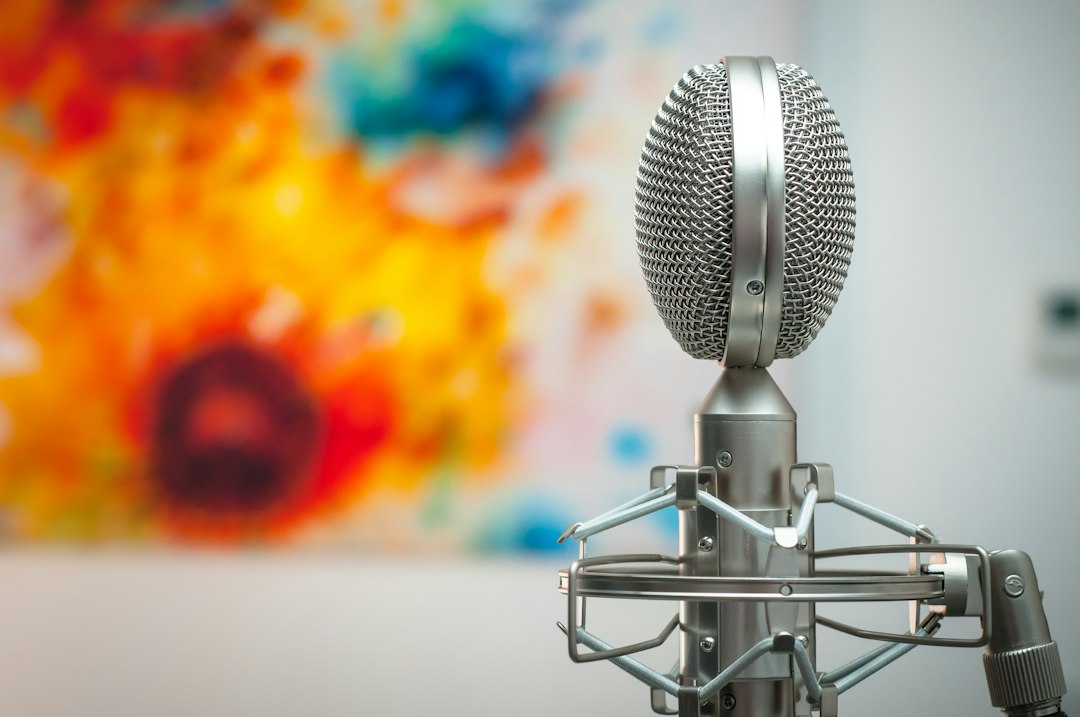
Physically, it’s an all-metal, tank-like cylinder with an internal pop filter and a built-in swing mount, so it bolts straight onto a boom arm without a separate shock mount or clamp. It’s a passive dynamic, which means it does not need phantom power to work — you plug it into an XLR input and drive it with your interface or mixer’s preamp. That build quality and the integrated mount are a big part of why it has become the default “starter broadcast mic” recommendation for so many creators.
How the Rode PodMic sounds for voice
The PodMic has a warm, weighty, midrange-forward voice with a gentle presence lift that helps speech cut through without sounding harsh or sibilant. Compared to a typical USB condenser, it sounds fuller and more “produced” straight out of the box, and — crucially — it captures far less of your room. Because it’s a dynamic with a tight cardioid pattern, keyboard clatter, a whirring PC, and reflections off the wall behind you all get pushed down in the mix. You sound like you’re in a booth even when you’re not.
Like most broadcast dynamics, it rewards close-mic technique. Speak within a fist’s distance and you get a rich low-end thanks to the proximity effect; back off and the tone thins out and the room creeps back in. That’s normal for this class of microphone and it’s exactly how radio hosts work. If you want to understand why a dynamic behaves so differently from a large-diaphragm condenser here, our guide on condenser vs dynamic microphones breaks it down, and microphone polar patterns explained covers why that cardioid pickup keeps your room out of the recording.
Setup, gain and the one thing people get wrong
Here’s the single most important thing to know before you buy: the PodMic is a passive dynamic with a relatively low output, so it needs a healthy amount of clean preamp gain to reach a strong recording level. On a quiet, low-gain interface you may find yourself cranking the gain knob near maximum and picking up preamp hiss. This is the number-one complaint people have, and it’s almost always a preamp problem, not a microphone problem.
The fix is simple: pair it with an interface that has plenty of clean gain, or add an inline gain booster in front of a weaker preamp. A capable modern interface like the Focusrite Scarlett 2i2 (4th Gen) has enough headroom to drive it comfortably. If you’re deciding between going XLR or keeping things simpler, our USB mic vs audio interface comparison is worth a read — the PodMic firmly sits on the interface side of that line, since it’s XLR-only. New to interfaces entirely? Start with how to set up an audio interface.
Because it’s passive, you do not switch on phantom power for the PodMic — that 48V toggle is for condensers. If you’re fuzzy on when that matters, what is phantom power clears it up. Everything else is refreshingly plug-and-play: mount it on a boom arm, angle it toward your mouth, get close, and set your level so peaks land comfortably short of clipping.
Rode PodMic review: build, mounting and everyday use
In daily use, the PodMic feels like a piece of gear you’ll never have to baby. The solid-metal body has real heft, the internal pop filter tames a lot of plosives on its own (though a foam or nylon pop shield still helps for hard “P” and “B” sounds), and the integrated swing mount means one fewer accessory to buy and align. Thread it onto a standard boom arm and you’re recording in minutes.
It’s a fixed cardioid mic with no onboard controls — no gain knob, no mute, no pattern switch, no headphone jack. That simplicity is deliberate. The XLR PodMic is meant to be one input in a proper chain (interface or mixer), which is exactly what you want once you move past a single-person setup into interviews or multi-guest shows. For a full walkthrough of building that chain end to end, see how to record a podcast at home.
What it’s known for
The PodMic has earned its reputation as one of the most widely recommended entry points into broadcast-style audio, and that reputation rests on a few consistent themes. Reviewers and creators repeatedly praise its room rejection: the tight cardioid pattern and dynamic capsule keep untreated-room reflections, keyboard noise and background hum out of the recording, which is why it sounds “booth-like” in ordinary home spaces. Its warm, midrange-forward voicing is widely regarded as flattering for speech straight out of the box, needing little EQ to sit well in a podcast mix.
The most common criticism, echoed across the community, is that it is gain-hungry — its low passive output means weaker interface preamps struggle to drive it without introducing hiss. This isn’t a flaw in the mic so much as a pairing consideration, and it’s the single thing to plan around before buying. Set against its low price, the build quality and integrated mount make it stand out as durable, no-fuss value, which is why it remains a default first-XLR-mic recommendation for podcasters and streamers.
Who the Rode PodMic is for (and who should skip it)
Buy it if: you’re recording podcasts, streams, or voiceover in an untreated room; you already own — or plan to buy — an interface or mixer with decent gain; and you want a durable, great-sounding voice mic that will still be earning its keep years from now. It’s a genuine step up from any USB starter mic in both tone and room rejection, and it scales beautifully to multi-mic setups.
Think twice if: you want the absolute simplest one-cable USB solution, you don’t want to buy an interface, or you mostly need a mic for singing and acoustic sources rather than spoken word. In those cases a USB mic or a large-diaphragm condenser may suit you better. If versatility beyond podcasting matters, browse our roundup of the best microphones for home recording before committing.
The best alternatives to the Rode PodMic
The PodMic doesn’t exist in a vacuum — a few well-known mics compete for the same desk space, so weigh these before you decide.
- Shure MV7 / MV7+ — a broadcast dynamic with the party trick of both USB and XLR outputs, plus onboard processing. It’s the pick if you want to start on USB today and grow into XLR later without buying a second mic. It costs more than the PodMic. Shop on Amazon — Check the current price on Amazon.
- Shure SM7B — the studio-standard broadcast dynamic, richer and even better at rejecting a room, but pricier and famously gain-hungry (it needs a very strong preamp or an inline booster). A clear step up in budget. Our Shure SM7B review and best dynamic microphones for vocals guide compare them directly. Shop on Amazon — Check the current price on Amazon.
- Rode NT1 — if your room is treated and you want maximum detail for singing and acoustic work as well as voice, this large-diaphragm condenser is a different tool for a different job. It needs phantom power and a quieter room. Shop on Amazon — Check the current price on Amazon.
- Rode PodMic USB — Rode’s own USB/XLR hybrid version of the PodMic with onboard DSP, aimed at people who want the same voice but a plug-straight-into-your-computer path. Handy if you’re not ready for an interface. Shop on Amazon — Check the current price on Amazon.
Want the wider view before deciding? Our category hub of gear reviews and the microphones section collect more head-to-heads and buying guides.
Frequently asked questions
Does the Rode PodMic need phantom power?
No. The XLR PodMic is a passive dynamic microphone, so it does not use 48V phantom power — leave that switch off. What it does need is a good amount of clean preamp gain, which is why pairing it with an interface that has plenty of headroom matters more than the phantom-power question. (The separate PodMic USB model is different and connects over USB.)
Is the Rode PodMic good for singing and music, not just talking?
It can handle vocals and loud sources in a pinch, but it’s optimised for spoken word — its warm, midrange-forward voicing and tight cardioid pattern are tuned for podcasting and streaming. For singing, acoustic guitar and more detailed music capture in a treated room, a large-diaphragm condenser like the Rode NT1 will usually serve you better.
What do I need to use the Rode PodMic?
An XLR cable, a boom arm or stand, and an audio interface (or mixer) with a preamp that has enough clean gain. The mount is built in, so you don’t need a separate shock mount or clamp. If your interface is on the quieter side, an inline gain booster in front of the preamp gives you extra headroom with no added hiss.