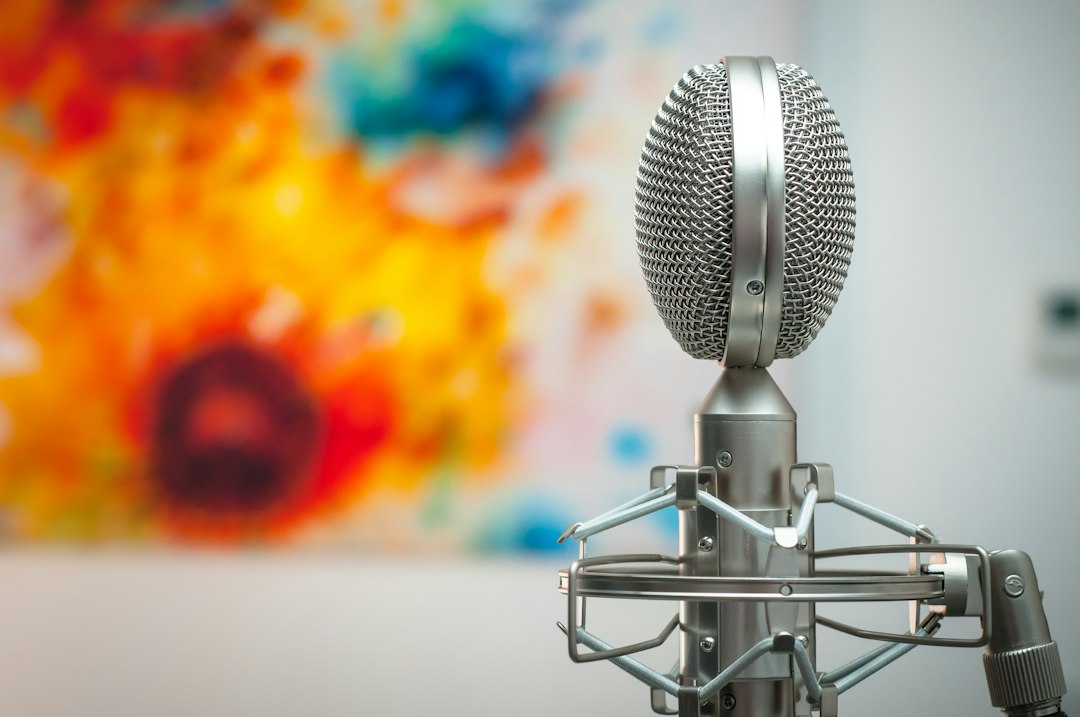
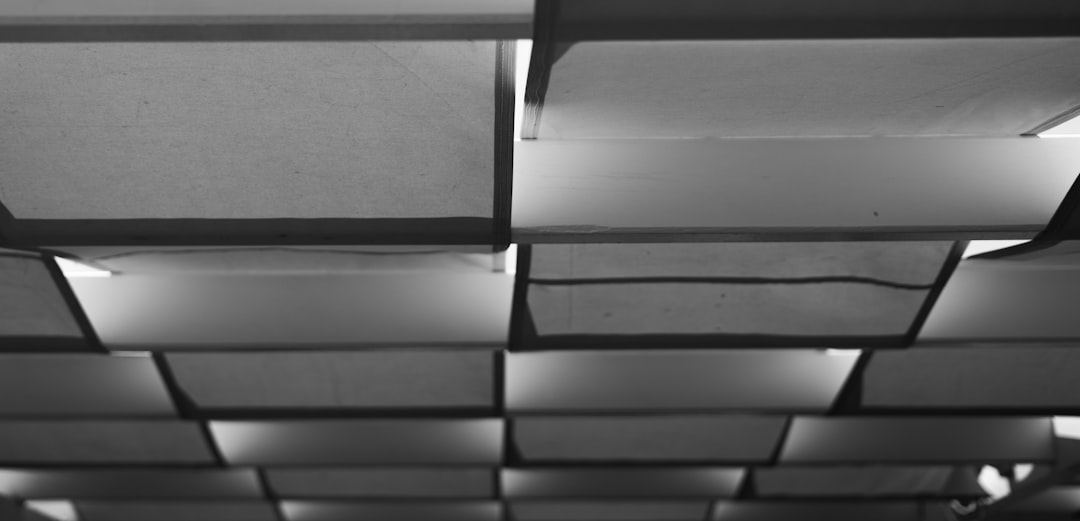
To treat a room for recording, your goal is to control reflections and reverberation so the microphone captures mostly the source and not the room. That means absorption at the strong reflection points, some bass control in the corners, and a recording spot that sounds dry and neutral. This is acoustic treatment, which shapes the sound inside the room — it is not soundproofing, which stops sound leaving or entering.
Recording rooms have a different priority from mixing rooms. When you record, a reflective or boomy space gets baked permanently into the file, and you can never fully remove it later. So a recording space usually wants to be drier than a mixing room.
Why you treat a room for recording
A bare room with parallel hard walls produces flutter echo, comb filtering and a long reverb tail. When a mic picks up the direct sound plus dozens of delayed reflections, the result is a hollow, distant, “roomy” tone with phasey peaks and dips. Treatment tames those reflections so the recording sounds close, controlled and usable. For the underlying physics, see our explainers on early reflections and comb filtering.
It helps to think of every recording as the direct sound plus a copy of the room. The closer the mic is to the source and the more controlled the surroundings, the higher the ratio of direct to reflected sound. A high direct-to-reflected ratio is what makes professional recordings sound intimate and present, even when the actual room is modest. Treatment, mic choice and distance all push that ratio in your favour.
Step 1: Pick and position your recording spot
Don’t record in the dead centre of the room or hard against a wall. Centre positions sit on room-mode nulls and peaks, and a nearby wall throws a strong early reflection straight back into the mic. Set up so the mic faces the most absorptive or broken-up part of the room, and keep the singer or instrument at least a metre or so from any hard surface where practical.
Asymmetry is your friend here. A bookshelf, a wardrobe, a sofa or a cluttered corner all scatter and absorb sound, breaking up the clean parallel reflections that cause flutter echo. If one end of the room is busier than the other, aim the mic into the busier, softer end. Hard, bare, symmetrical surfaces — a window, a flat plastered wall, a tiled floor — are the ones to point away from.
Step 2: Absorb the early reflections
The biggest wins come from broadband absorption around the source. Use thick porous absorbers — mineral wool such as Rockwool, or rigid fibreglass like Owens Corning 703 — in fabric-wrapped panels. Aim for panels around 5–10 cm thick, and mount them with an air gap behind where you can, because the gap improves low-mid absorption. Thin acoustic foam is fine for the very top end but does almost nothing below a few hundred hertz, so don’t rely on it alone.
Place panels on the wall behind and beside the mic and source, and ideally above as a small cloud. A common, effective approach for vocals is a three-sided “gobo” arrangement of panels around the mic. For more detail on building and mounting your own, see how to build acoustic panels.
To find the reflection points that matter most, use the mirror trick: sit or stand where you’ll record, have a helper slide a small mirror along each wall, and wherever you can see the mic in the mirror, that surface is bouncing sound straight into it. Those spots are where a panel earns its keep, and our guide to finding your first reflection points walks through the method in full. The wall directly behind the mic is usually the single most important surface, because reflections coming back from behind a cardioid mic colour the tone heavily.
Step 3: Control the low end in the corners
Bass energy piles up in corners, so even a recording room benefits from bass traps where the walls meet and at the wall-ceiling junctions. This evens out the low-frequency response and shortens the boomy tail. Our guide to bass traps, the broader acoustic treatment for home studios article, and our walkthrough on how to treat room corners cover the options.
Bass is the hardest thing to tame because long wavelengths need deep absorbers. Thicker is better: a chunky corner trap with depth behind it will always outperform a thin panel for low frequencies. If you only have the budget or space for a few items, prioritise the corners over the flat walls, since corners are where the worst low-end build-up lives.
Step 4: Don’t over-deaden — keep it natural
It is possible to make a room too dead, which leaves recordings sounding lifeless and claustrophobic. Treat the immediate area around the source heavily, but you don’t need to cover every surface. A small amount of liveliness in the wider room is usually fine, especially for acoustic instruments where a little air can help.
The trap to avoid is treating only the high frequencies — for example, lining every wall with thin foam. That soaks up the top end but leaves the boomy lows untouched, giving a dull, lopsided sound that is dead and muddy at the same time. Balanced treatment uses thicker, broadband absorbers so the whole frequency range comes down together, keeping the room natural rather than just muffled.
Step 5: Use temporary treatment if you rent
If you can’t fix panels permanently, freestanding panels, heavy moving blankets on mic stands, a clothes rail packed with garments, and a duvet-lined closet all work as quick recording booths. They won’t soundproof anything, but they reduce reflections enough to record clean takes. See related ideas in our DIY acoustic treatment guide, and remember the difference explained in soundproofing vs acoustic treatment.
Common mistakes to avoid
A few recurring errors undo otherwise good setups. Relying on thin foam alone is the most common, because it only touches the top end and creates the dull-yet-boomy sound described above. Mounting absorbers flat against the wall with no air gap also leaves easy low-mid performance on the table. Recording in the centre of the room or facing a bare, reflective wall puts the mic in the worst possible spot for room colour. And over-treating a small space until it feels like an anechoic chamber drains the life out of takes. Finally, don’t expect treatment to stop noise from outside — that is a soundproofing problem and needs mass and sealing, not absorption.
Putting it into practice
Record a quick test in your treated spot, clap once and listen for ringing, and adjust panel placement until the room sounds short and controlled. Once your recordings are dry and consistent, you can apply the techniques in recording vocals at home and mic placement for vocals with confidence.
Frequently asked questions
How much treatment do I need to record well?
Less than for a full mixing room. Concentrate broadband absorption tightly around the mic and source, add corner bass traps, and you’ll capture clean takes. You don’t need to treat the entire room to record.
Does foam work for a recording room?
Thin foam absorbs only high frequencies, so it can reduce some harshness and flutter but won’t control low-mid build-up or bass. Use thicker porous absorbers like mineral wool or rigid fibreglass for real results.
Is treating a room the same as soundproofing it?
No. Treatment controls how sound behaves inside the room so your recordings are clean. Soundproofing uses mass, decoupling and sealed air gaps to stop sound passing through walls. They solve different problems.
Can I just record close to the mic instead of treating the room?
Working close to the mic genuinely helps, because it raises the level of the direct sound relative to the room and is one of the cheapest improvements you can make. But on its own it won’t fix strong reflections or boomy corners, so combine close mic technique with a little absorption around the source for the best result.
What’s the single most effective thing to treat first?
If you can only do one thing, put broadband absorption on the wall the mic points away from — the surface directly behind the mic — and pack the nearest corners with bass traps. Those two moves remove the strongest reflection and the worst low-end build-up, which is where most of the audible improvement comes from.