
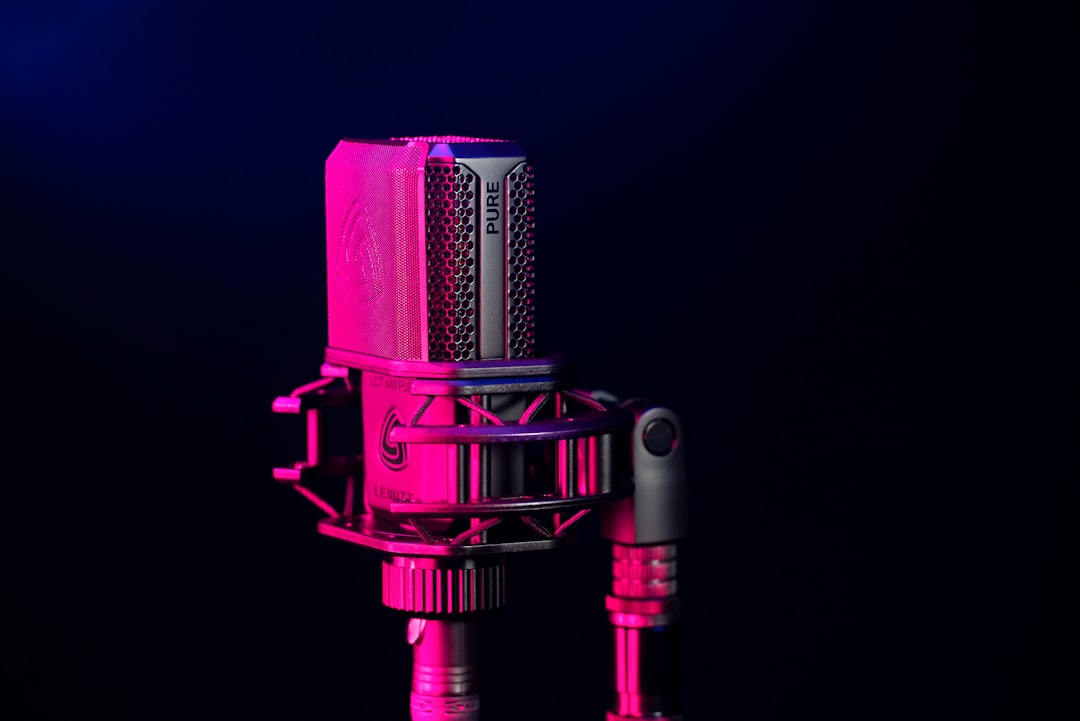
The best microphone for beginners is one that is forgiving, easy to use and suits what you actually record. For most people starting out at home, that means a reliable large-diaphragm condenser or a rugged dynamic, paired with an audio interface, or a simple USB mic if you want to skip the extra gear entirely.
Violet Recording is reader-supported — we may earn a commission from links on this page, at no extra cost to you.
Quick answer: If you record vocals or acoustic instruments in a treated-ish room, start with an XLR condenser like the Audio-Technica AT2020. If you record in an untreated, noisy room or want broadcast-style podcasting, a dynamic like the Shure SM58 or SM7B is more forgiving. Want the simplest possible path? A USB mic such as the Audio-Technica AT2020USB+ gets you recording in minutes.
How to choose a beginner microphone
Before picking a model, sort out a few decisions that matter more than the badge on the mic.
- Connection: XLR mics need an audio interface (and often phantom power) but grow with you. USB mics plug straight into a computer and are the fastest way to start.
- Condenser vs dynamic: Condensers are sensitive and detailed but pick up room noise; dynamics are tougher and reject background sound. See condenser vs dynamic microphones to choose wisely.
- Polar pattern: A cardioid pattern, which captures mostly what is in front of the mic, is the safe default for beginners. Learn more in microphone polar patterns explained.
- Your room: An untreated, echoey room favours a dynamic mic worked up close. A quieter, treated space lets a condenser shine.
What you’ll need alongside the mic
An XLR microphone is only part of the chain. Budget for an XLR cable, a mic stand, a pop filter for vocals, and an interface that supplies phantom power if you choose a condenser. A shock mount helps isolate the mic from desk thumps. For a fuller list, see our home studio gear checklist.
Best XLR condenser for beginners: Audio-Technica AT2020
The AT2020 is a long-standing first-mic favourite. It is a cardioid large-diaphragm condenser that delivers a clean, detailed sound well above its modest cost, making it a sensible pick for vocals, acoustic guitar and voiceover in a reasonably quiet room. It needs phantom power and an interface, so factor those in. The Rode NT1 family is a slightly higher-tier alternative known for being very low-noise; if you are torn between the two, our AT2020 vs Rode NT1 comparison breaks down the differences.
Best dynamic for untreated rooms: Shure SM58 (and SM7B)
If your room is noisy or untreated, a dynamic mic is more forgiving because it rejects much of what is around it. The Shure SM58 is the classic, near-indestructible vocal dynamic and a brilliant value entry point. If you want the broadcast/podcast look and sound and have an interface with plenty of clean gain (or a preamp booster), the Shure SM7B is the popular step up, though it is more demanding to drive. To understand why, read what is a microphone preamp.
Best simple USB mic: Audio-Technica AT2020USB+ or Rode NT-USB
USB mics combine the mic, preamp and converter in one body, so you skip the interface entirely. The Audio-Technica AT2020USB+ and the Rode NT-USB are well-regarded, plug-and-play choices for podcasting, streaming and home vocals. They are ideal if you value simplicity over future expandability. For the trade-offs versus an interface, see USB mic vs audio interface.
Best for podcasting and spoken word: Samson Q2U / Shure MV7
Podcasters benefit from dynamic mics that sound good close up and ignore room noise. The Samson Q2U is a budget hero with both USB and XLR outputs, so it works on day one and grows with you. The Shure MV7 is a more premium hybrid USB/XLR dynamic aimed squarely at voice. Pair either with our guide on recording a podcast at home.
Matching the mic to what you record
The right first mic depends less on price and more on the source in front of it. A few common scenarios make the decision clearer:
- Solo singer or songwriter: A cardioid condenser like the AT2020 captures detail and air on vocals and acoustic guitar, provided the room is reasonably quiet and you use a pop filter.
- Rapper or loud vocalist: A dynamic worked up close handles high volume without clipping and ignores a lively room, which is why many vocal booths still rely on them.
- Podcaster or streamer: A hybrid dynamic such as the Q2U or MV7 sounds warm and intimate close up, rejects keyboard and fan noise, and runs over USB until you are ready for an interface.
- Multi-instrumentalist: Go XLR from the start. One interface and a versatile condenser let you record vocals today and add a second mic or an instrument input later without replacing anything.
Common beginner mistakes to avoid
Most disappointing first recordings are not the mic’s fault. Watch for these traps:
- Buying a sensitive condenser for a noisy room. If you can hear traffic, a computer fan or echo, a condenser will capture all of it. A dynamic, or some basic acoustic treatment, fixes more than a pricier mic would.
- Setting gain by eye, not by ear. Aim for healthy peaks with comfortable headroom rather than pushing levels into the red. Clipping cannot be undone later.
- Sitting too far back. Working closer to the mic improves the ratio of your voice to the room, and on most mics adds a pleasing low-end warmth.
- Forgetting the extras. A condenser with no phantom power, or an XLR mic with no cable or stand, will not record at all. Budget for the whole chain, not just the headline item.
- Skipping the pop filter. Plosive “p” and “b” sounds create unsightly bursts of low frequency. A cheap pop filter or foam screen removes most of them at the source.
Getting good results from a cheap mic
Technique beats price. Set sensible gain to avoid clipping, get reasonably close to the mic, use a pop filter, and tame your room’s reflections. Our walkthrough on recording vocals at home covers placement and levels in detail. A modest mic used well easily beats an expensive mic used carelessly.
Recording on a phone? If you would rather skip the interface and cables completely, an all-in-one like Audigo records studio-quality audio to the mic itself — see our hands-on Audigo review.
Frequently asked questions
Should a beginner buy a USB or XLR microphone?
Choose USB if you want the simplest setup and may never expand. Choose XLR with an interface if you think you will add more mics, instruments or gear later, as it is far more flexible long term.
Do I need an expensive microphone to sound professional?
No. Mics like the AT2020 and Shure SM58 are inexpensive yet capable of professional results. Your room, mic placement and gain staging usually limit quality long before the mic does.
What is the best single microphone for vocals and podcasting?
A hybrid dynamic such as the Samson Q2U or Shure MV7 is a strong all-rounder: forgiving in untreated rooms, good for voice, and usable over USB or XLR.
Is a more expensive mic always better for a beginner?
Not for a beginner. Past a modest entry price, extra spend mostly buys lower self-noise and specific tonal character, not “better” sound. Until your room and technique are sorted, a well-chosen budget mic will not be the weak link, so it is usually wiser to invest in treatment, a stand and a pop filter first.



