
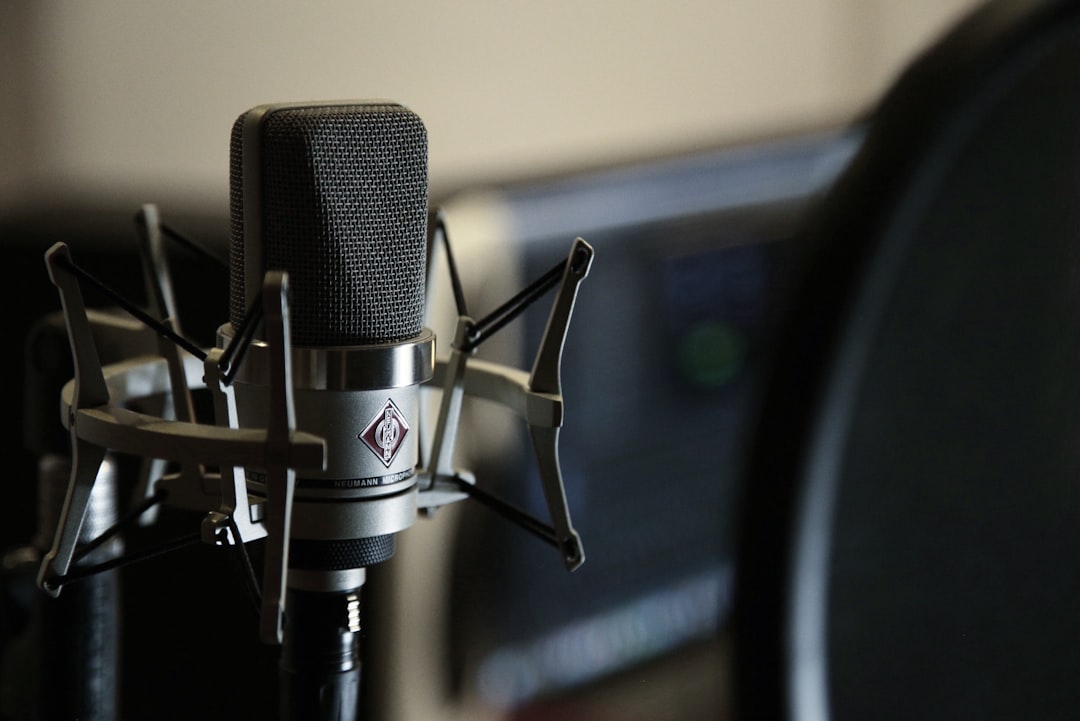
The best portable recorder is the one that captures a rehearsal, a gig, or a sudden song idea in clean stereo without you setting up a whole studio. These pocket and palm-sized units pair built-in microphones with a couple of XLR inputs and record straight to an SD card, which makes them ideal for musicians who need to grab audio away from the desk. This roundup covers the models worth considering, what actually separates them, and the honest trade-offs of each so you buy for how you really record.
How to Choose the Best Portable Recorder
Before the picks, understand the four things that decide whether a recorder earns its keep. Get these right and the brand matters less than the fit.
- Built-in mic pattern. An XY pair gives a tight, mono-compatible stereo image great for a single source like an acoustic guitar or a solo voice. A wider AB or mid-side arrangement captures more room and ambience, better for ensembles and field recording.
- XLR/TRS inputs. If you will ever plug in external mics or take a line feed from a mixer, you want at least two combo inputs with phantom power. Recorders without them limit you to the onboard capsules.
- Preamp noise. Quiet sources like fingerstyle guitar or spoken word expose weak preamps. Cleaner preamps let you record quieter material without a wash of hiss.
- Power and storage. Battery life and card format decide how long you can record unattended. Always carry spares of both.
Whatever you choose, set the record level so peaks sit around -12 to -6 dBFS, leaving headroom so an unexpectedly loud chorus or cymbal crash never hits 0 dBFS and clips. Many recorders offer a dual-record or limiter mode that captures a safety track a few dB lower, which is worth enabling for one-take live situations you cannot repeat.
The Best Portable Recorders, With Honest Pros and Cons
These are the models most consistently recommended for musicians. Specifics like current price and exact firmware vary, so check before buying, but the character of each is well established.
Zoom H5 and H6. The workhorses of the category. Both use an interchangeable capsule system so you can swap the default XY mic for a shotgun or mid-side module, and both offer combo XLR inputs with phantom power.
- Pros: Flexible interchangeable capsules, genuinely usable XLR preamps, and they double as a USB audio interface for your computer. The H6 adds more inputs for small ensembles.
- Cons: Bulkier than pocket recorders, and the H6 in particular is a lot to carry for a solo songwriter. The plastic build feels utilitarian rather than premium.
Tascam DR-40X. A four-track recorder whose built-in mics can be set to XY or the wider AB spacing, plus two combo XLR inputs.
- Pros: Adjustable mic angle covers both tight and wide stereo, dual-record mode captures a safety track for unrepeatable takes, and it works as a USB interface.
- Cons: The preamps are a little noisier than the class leaders on very quiet sources, and the menu system feels dated.
Tascam DR-05X and Zoom H1essential. The budget, grab-and-go tier for capturing ideas and rehearsals.
- Pros: Light, cheap, pocketable, and quick to start recording. Perfect as an always-in-the-bag idea catcher.
- Cons: Fixed onboard mics only, limited or no proper XLR inputs, and preamps that struggle with the quietest material. Not the tool for a serious external-mic session.
Sony PCM-A10. The pocket recorder for spoken word, interviews, and discreet capture.
If you mostly capture voice memos, lyric ideas and interviews rather than full band rehearsals, our guide to the best voice recorders for music and notes focuses on smaller, simpler units.
- Pros: Extremely compact, long battery life, and adjustable mic direction in a tiny body.
- Cons: No XLR inputs and a mic array optimised more for voice than for full-range music, so it is a niche pick for musicians.
Zoom F3. A different animal aimed at people who prioritise pristine external-mic recordings over onboard capsules.
- Pros: 32-bit float recording means you effectively cannot clip or under-record, so you stop babysitting levels entirely. The preamps are very clean.
- Cons: No built-in microphones at all, so you must bring your own, and its two-input focus limits ensemble work.
Matching a Recorder to How You Record
Pick by scenario rather than spec-chasing. For catching song ideas anywhere, a small fixed-mic unit like the DR-05X lives in your bag and is always ready. For recording your own acoustic performances well, position the recorder about 30 cm (12 inches) from the guitar, aimed where the neck meets the body and tilted slightly off the soundhole to avoid boom, and an H5 or DR-40X gives you room to add an external vocal mic later. For rehearsals and live band capture, place the recorder 1.5 to 2 metres in front of the group at roughly head height, and a wider AB or mid-side pattern captures the ensemble balance. For maximum external-mic quality with zero clipping worry, the F3’s 32-bit float is hard to beat.
If you write on the road, a pocket recorder pairs naturally with a compact instrument. Our picks for the best travel guitars cover models small enough for a carry-on that still sound good on a recording.
Once you have the files, most recorders transfer over USB and drop straight into your DAW. From there, light cleanup and level matching is all a good field recording usually needs; the free metering and level utilities in our audio tools hub help you check loudness before you commit, and if you sketch song ideas on the go, a virtual amp such as BIAS FX lets you flesh out a scratch guitar DI later at the desk. For turning those captures into finished tracks, our acoustic guitar recording guide and the wider microphones hub go deeper on mic choice and placement.
Frequently Asked Questions
Is a portable recorder good enough for real music, or just demos? The better units with clean preamps and external XLR inputs produce release-quality recordings, especially for acoustic and live material. The onboard mics alone are excellent for demos and rehearsals, and strong for finished tracks in a good-sounding room.
What does 32-bit float recording actually do? It captures such a wide dynamic range that you effectively cannot clip or record too quietly, letting you fix levels afterward without damage. It removes the stress of setting gain perfectly in unrepeatable live moments.
Do I still need an audio interface if I own a portable recorder? Many recorders double as USB interfaces, so for simple tracking one device can cover both. A dedicated interface still wins for multi-input studio sessions with low monitoring latency, but for mobile capture the recorder often replaces it.



