
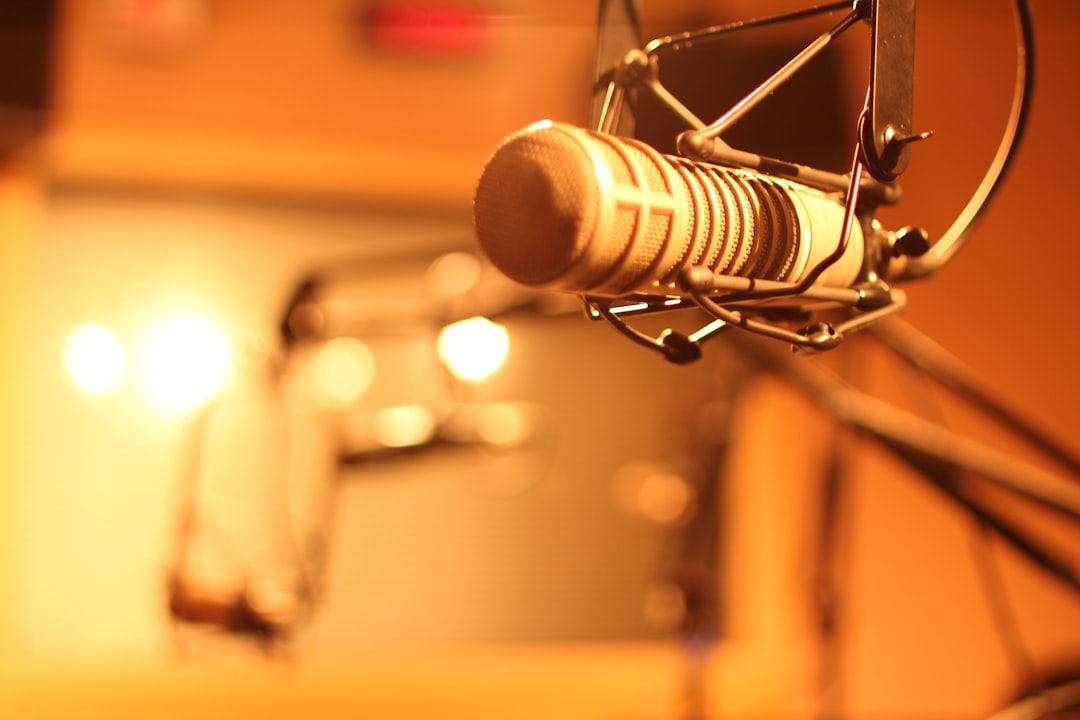
The best microphone for rap depends on your room and your delivery, but if you want one safe answer: a broadcast-style dynamic like the Shure SM7B flatters aggressive, close-up rap vocals and forgives an untreated bedroom. If your space is well treated and you chase detail, a large-diaphragm condenser such as the Rode NT1 or Neumann TLM 103 captures more air and top-end sparkle. Below we compare seven real, widely used mics and explain how to choose between them.
Violet Recording is reader-supported — we may earn a commission from links on this page, at no extra cost to you.
Quick picks: the best microphone for rap at a glance
If you just want the short version, here is how these mics shake out for hip-hop and rap. The full write-ups and buying advice follow the table.
| Microphone | Type | Best for | Why it works for rap | Price |
|---|---|---|---|---|
| Shure SM7B | Dynamic | Best overall / untreated rooms | Rejects room noise, tames sibilance, thick low-mids | Shop on Amazon |
| Electro-Voice RE20 | Dynamic | Deep, radio-style vocals | Flat, no proximity boom, huge on low voices | Shop on Amazon |
| Rode NT1 5th Gen | Condenser | Best value detail | Ultra-low self-noise, clean top-end, USB or XLR | Shop on Amazon |
| Neumann TLM 103 | Condenser | Pro studio sound | Present, airy top, big presence for hooks | Shop on Amazon |
| AKG C414 XLII | Condenser | Versatility | Nine patterns, bright and detailed | Shop on Amazon |
| Audio-Technica AT2020 | Condenser | Best budget condenser | Clean, neutral, cheap entry point | Shop on Amazon |
| Shure SM58 | Dynamic | Cheapest starter | Bulletproof, forgiving, near-zero room bleed | Shop on Amazon |
Condenser or dynamic: which suits rap vocals better?
This is the first fork in the road, and it matters more than brand. Condenser mics are sensitive and detailed. They pick up the fine breath and top-end air that make a hook shimmer — but they also pick up your keyboard, your neighbour’s dog, the fridge, and every slap of reflection in an untreated room. Dynamic mics are less sensitive, so they hear mostly what is right in front of them and stay quiet on everything else.
For rap specifically, that lower sensitivity is often a feature, not a compromise. Rap is usually performed loud, close to the mic, with an aggressive delivery. A dynamic mic sits calmly through high SPL, rejects the room, and its natural low-mid warmth thickens a voice without turning harsh. That is exactly why so many hip-hop vocals — from bedroom demos to charting singles — are cut on an SM7B or a similar broadcast dynamic. If your recording space is a normal room with no acoustic treatment, start with a dynamic and you will save yourself a lot of grief.
Condensers earn their place once your room is under control. In a treated booth or a closet stuffed with clothes, a good condenser gives you more detail, more presence, and a bigger sense of air on top — useful for melodic rap, sung hooks and ad-libs that need to cut. If you are still deciding, our guide to condenser vs dynamic microphones breaks the trade-offs down in more depth.
Shure SM7B: the default answer for a reason
The SM7B is the mic most people picture when they think of a rap vocal chain, and it lives up to the reputation. It is a cardioid dynamic with a smooth, slightly scooped voicing that flatters loud, close delivery. The internal pop filter and air-suspension shock isolation keep plosives and bumps under control, and the built-in switches let you roll off low-end rumble or add a presence bump. Because it rejects the room so well, it is the safest bet for anyone recording in an untreated bedroom.
The one catch: the SM7B is a quiet mic and needs a lot of clean gain. Budget interfaces can run out of headroom before the vocal is loud enough, which is why many people pair it with an inline gain booster. If your audio interface has a weak preamp, factor that in. Everything else about it — durability, consistency, that instantly familiar tone — makes it the one to beat. Shop on Amazon and check the current price on Amazon.
Electro-Voice RE20: the deep-voice specialist
The RE20 is the other legendary broadcast dynamic, and it is a monster on deep, resonant voices. Its Variable-D design almost eliminates the proximity effect, so you can work right up on the grille without the low-end ballooning into mud. The result is a big, even, controlled tone that stays intelligible even when a rapper leans into the bottom of their register.
Compared with the SM7B, the RE20 is flatter and slightly more neutral — less of a built-in “vocal smile,” more of a faithful capture you shape later. It is heavier and needs a sturdy stand or arm, and like the SM7B it appreciates a strong preamp. If your voice is naturally low and you want authority without boom, this is arguably the best microphone for rap in a home setup. Shop on Amazon and check the current price on Amazon.
Rode NT1 5th Gen: the best value condenser
If your room is treated and you want condenser detail without spending a fortune, the Rode NT1 is the smart buy. It is famous for having some of the lowest self-noise of any studio mic, which means clean, quiet takes with plenty of usable top-end. The 5th-generation version adds a dual USB and XLR output, so you can plug straight into a laptop today and move to an interface later — handy if you are still building your setup.
The NT1’s voicing is fairly neutral with a gentle presence lift, so it sits well on both spoken-word verses and sung hooks. Pair it with a good pop filter and a shock mount, because a sensitive condenser will happily record every desk knock and plosive. For the money, nothing else gives you this much clean detail. Shop on Amazon and check the current price on Amazon.
Neumann TLM 103 and AKG C414: the studio-grade condensers
When you are ready to spend for a professional condenser, two names dominate. The Neumann TLM 103 is a large-diaphragm cardioid with a signature presence lift around the upper mids and a smooth, expensive-sounding top. It makes hooks and lead vocals feel forward and polished, and it is a genuinely front-of-mix microphone. It is sensitive, though, so it demands a quiet, treated space to shine. Shop on Amazon and check the current price on Amazon.
The AKG C414 XLII takes a different angle: versatility. It offers nine polar patterns, multiple pad and filter settings, and a bright, detailed voicing that cuts through a busy beat. If you want one mic that can do rap vocals today and adapt to guitars, drums or backing vocals tomorrow, the C414 is the Swiss-army option. Both of these are true studio tools — overkill for a noisy bedroom, superb in a proper room. Shop on Amazon and check the current price on Amazon.
Budget picks: Audio-Technica AT2020 and Shure SM58
You do not need to spend big to get a usable rap vocal. The Audio-Technica AT2020 is the classic first condenser: clean, reasonably neutral, and cheap enough that anyone can start recording seriously. It needs phantom power and benefits hugely from even basic room treatment, but for a first mic it punches well above its price. Shop on Amazon and check the current price on Amazon.
If your room is genuinely bad and you cannot fix it yet, the Shure SM58 is a criminally underrated rap mic. It is the world’s most common stage vocal mic — nearly indestructible, forgiving of plosives, and it rejects the room almost as well as its pricier siblings. Plenty of great vocals have been cut on one. It will not give you condenser air, but it will give you a clean, controllable take in an environment that would ruin a condenser. Shop on Amazon and check the current price on Amazon.
How to choose: room, voice and chain
Three factors decide which mic actually sounds best for you, and none of them is the logo on the front. First, your room. An untreated bedroom pushes you toward a dynamic every time; a treated space unlocks condensers. Before you upgrade the mic, read our notes on recording vocals at home — treatment often does more than a new microphone.
Second, your voice and delivery. Aggressive, loud, low-register rappers are usually best served by a dynamic that stays composed at high SPL and adds warmth. Melodic, breathy or sung styles benefit from a condenser’s detail. Third, your signal chain. Dynamics like the SM7B and RE20 need plenty of clean gain, so check your preamp. Condensers need phantom power and a good pop filter. Nailing gain staging and mic placement will improve any of these mics more than swapping one for another.
Frequently asked questions
Is a dynamic or condenser mic better for rap vocals?
For most home setups, a dynamic like the Shure SM7B is the safer choice because it rejects room noise and handles loud, close delivery without harshness. Condensers such as the Rode NT1 or Neumann TLM 103 capture more detail and air, but they only shine in a treated, quiet room. Fix your acoustics first, then decide.
Why does the Shure SM7B need so much gain?
The SM7B has a low output level, so it needs a preamp that can deliver plenty of clean gain — often around 60 dB or more. Many budget interfaces run out of headroom before the vocal is loud enough, which introduces hiss. The common fix is an inline gain booster or an interface with strong, low-noise preamps.
Can I record professional rap vocals on a budget mic?
Yes. Mics like the Audio-Technica AT2020 and Shure SM58 have been used on real releases. Your room treatment, mic placement, gain staging and mixing matter more than the price of the microphone. A cheap mic in a good chain beats an expensive mic in a bad room almost every time.
Want to keep researching? Browse the full microphones hub, or compare our roundups of the best dynamic microphones for vocals and the best budget condenser microphones.



