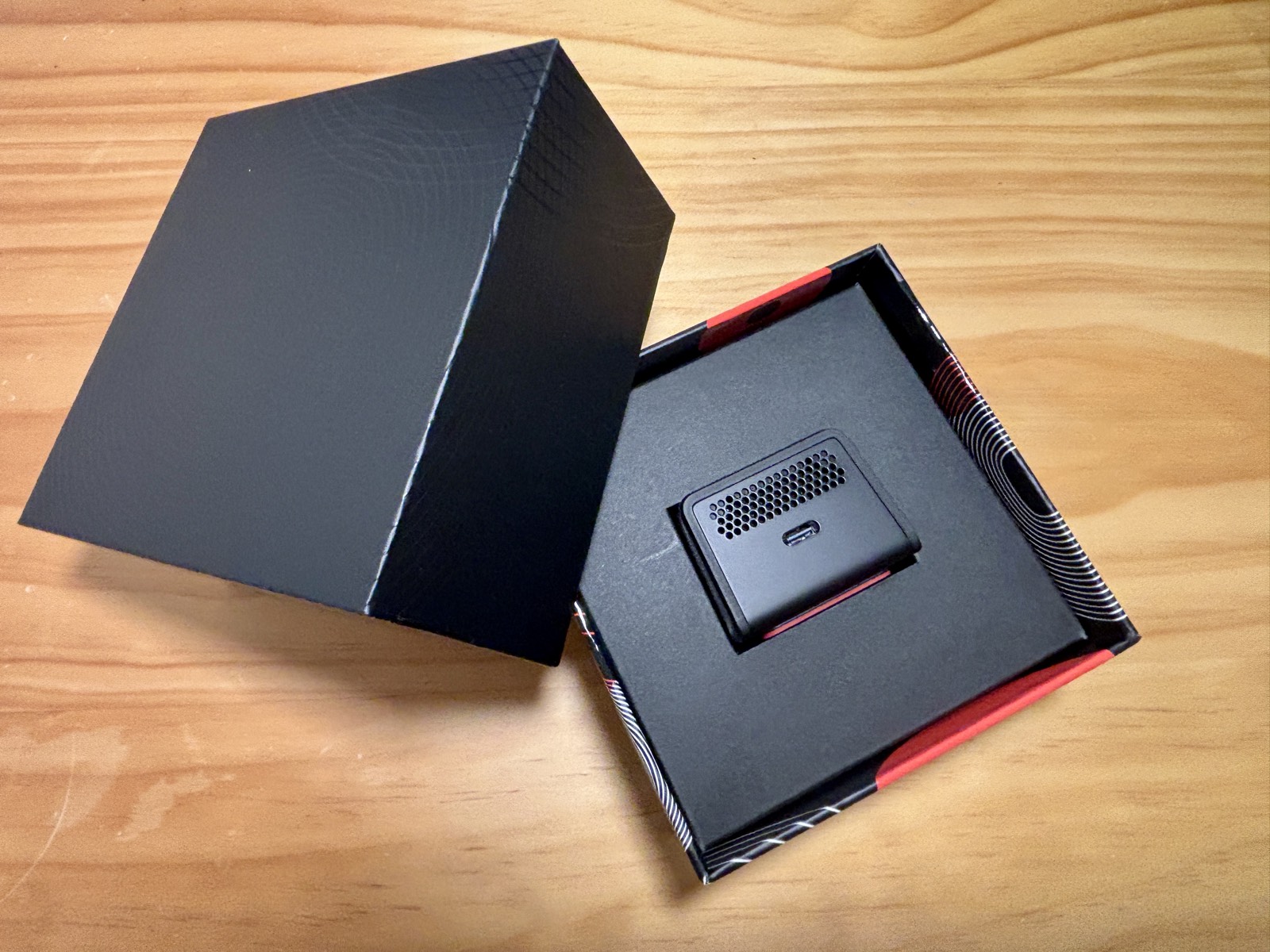
The Audigo vs Røde Wireless GO II comparison pits two very different “wireless” mics against each other. The Audigo is a stereo condenser that records music to its own internal memory and edits in an app. The Røde Wireless GO II is a dual-channel wireless lavalier system built for capturing one or two people talking, straight to your camera or phone. They both cut cables, but they are made for different sounds.
Part of our Microphones guide — explore the full guide →
Violet Recording is reader-supported — we may earn a commission from links on this page, at no extra cost to you.
Below we break down what each really does, who it suits, and where each falls short.
Audigo vs Røde Wireless GO II at a glance
The short version: choose Audigo to capture instruments, vocals and rooms in stereo. Choose the Røde Wireless GO II to capture speech from one or two people for interviews, vlogs and video.
- Core idea: Audigo is a stereo room/instrument mic; the Wireless GO II is a body-worn lav system for dialogue.
- Channels: the GO II ships as a two-transmitter kit for two speakers; Audigo captures stereo from one point (and can sync up to four units).
- Recording: both offer onboard recording as a safety net; Audigo records the full 24-bit/48kHz WAV to the mic itself.
- Monitoring: the GO II receiver lets you monitor; Audigo does not monitor live.
- Best for: GO II = talking to camera; Audigo = performances and music.
What Audigo does well
The Audigo is built around one clever idea: it records a full-quality 24-bit/48kHz WAV file to its own internal memory, then transfers it to your phone afterward. Your take never depends on a flawless wireless link, and you are not tethered to the phone while recording.
Its two condenser capsules work in a mid-side arrangement, so it captures a real stereo image with a sense of space — and you can adjust the stereo width afterward in the Audigo Studio app. That makes it genuinely good for acoustic guitar, piano, vocals, ensembles and live rooms, where capturing the room is part of the performance. You can place it across the room near the source, hit record, and build a multitrack project (even sync up to four Audigos) without cables, an interface or a laptop.
It is not flawless. Because it records to internal memory, you cannot monitor the signal live while recording, its noise reduction is gentle rather than a rescue tool, and some advanced app features sit behind the paid Studio+ subscription. For untethered music capture, though, those are trade-offs many players happily accept — our full Audigo review has the complete rundown.
What the Røde Wireless GO II does well
The Røde Wireless GO II is a workhorse for dialogue. You clip a tiny transmitter (or two) on your subjects, mount the receiver on a camera or phone, and you have clean, wireless speech with a generous range and onboard recording as backup on each transmitter. You can monitor through the receiver, mix or split the two channels, and it drops straight into a camera or streaming workflow.
For interviews, run-and-gun video, vlogging, two-person podcasts on the move and any situation where the point is capturing what people say, the GO II is the more natural tool. It is a body mic system first, and a very good one. Note that Røde has since replaced it with the Wireless GO (Gen 3), launched in December 2024, so new stock is increasingly the newer model; the same speech-versus-music split applies.
If you are shooting on a mirrorless or DSLR body and want to compare the GO II with its rivals, our guide to the best wireless microphones for cameras lays out the main systems.
Audigo vs Røde Wireless GO II: which should you choose?
Pick the Audigo if your goal is music: recording an instrument, a vocal or a whole room in stereo, standalone, then building a track in the app. Pick the Røde Wireless GO II if your goal is speech: interviews, dialogue and video where each person needs their own clean lav channel and you want to monitor on the spot. They are not really rivals so much as tools for two different jobs — music capture versus spoken word.
Read our full hands-on Audigo review for the details, or compare it with Audigo vs Shure MV88 and Audigo vs DJI Mic 2. If speech is your priority, our best lavalier mics for phones guide is a better starting point. You can also see Audigo vs a field recorder. Still weighing models? Compare the best Audigo alternatives.
Frequently asked questions
Can the Røde Wireless GO II record music like an acoustic guitar?
The Røde Wireless GO II can capture an instrument, but it is designed as a body-worn lav system for speech, not stereo music capture. The Audigo is built for recording instruments, vocals and rooms in stereo. For music-focused recording, the Audigo or a dedicated stereo setup is the more natural fit.
Is the Audigo good for recording a podcast?
The Audigo can record a podcast in a room, but it captures the space in stereo from one point and does not monitor live. For two-person podcasts on the move or interviews where each speaker needs a separate clean channel, the Røde Wireless GO II’s two clip-on transmitters are the better match.
Does the Audigo or Røde Wireless GO II work with an iPhone or Android phone?
Both products are designed to work with phones, but connection options and app support differ. The Audigo transfers recordings to its app on a phone after capture, while the Røde Wireless GO II connects its receiver to a camera or phone for live audio. Check each maker’s official site for current device compatibility.
Can I use the Audigo and Røde Wireless GO II together?
Using both together makes sense for content mixing music and talking, such as a performance video with spoken introductions. The Audigo can capture the stereo performance while the Røde Wireless GO II records the presenter’s dialogue. The separate recordings then need to be lined up in a video or audio editor.
What is the main drawback of not being able to monitor the Audigo live?
Without live monitoring, problems such as poor placement, a buzzing source or bad levels are only discovered after the take is transferred. A quick test recording and playback before the real performance catches most issues. Speech-focused systems such as the Røde Wireless GO II allow monitoring through the receiver during recording.