If you want clear, detailed vocal and acoustic recordings at home, a large-diaphragm condenser is the microphone to buy. The best large diaphragm condenser microphones for most home studios are the Neumann TLM 102 if your budget stretches, and the Audio-Technica AT2020 if it doesn’t. Both capture the detail that makes recordings sound finished rather than flat.
TL;DR: Our top studio pick is the Neumann TLM 102 for its refined, broadcast-grade sound. Our best value pick is the Audio-Technica AT2020, which delivers genuinely usable results for the price. Everything else below sits sensibly between those two.
Violet Recording is reader-supported — we may earn a commission from links on this page, at no extra cost to you.
What a large-diaphragm condenser is, and why you want one
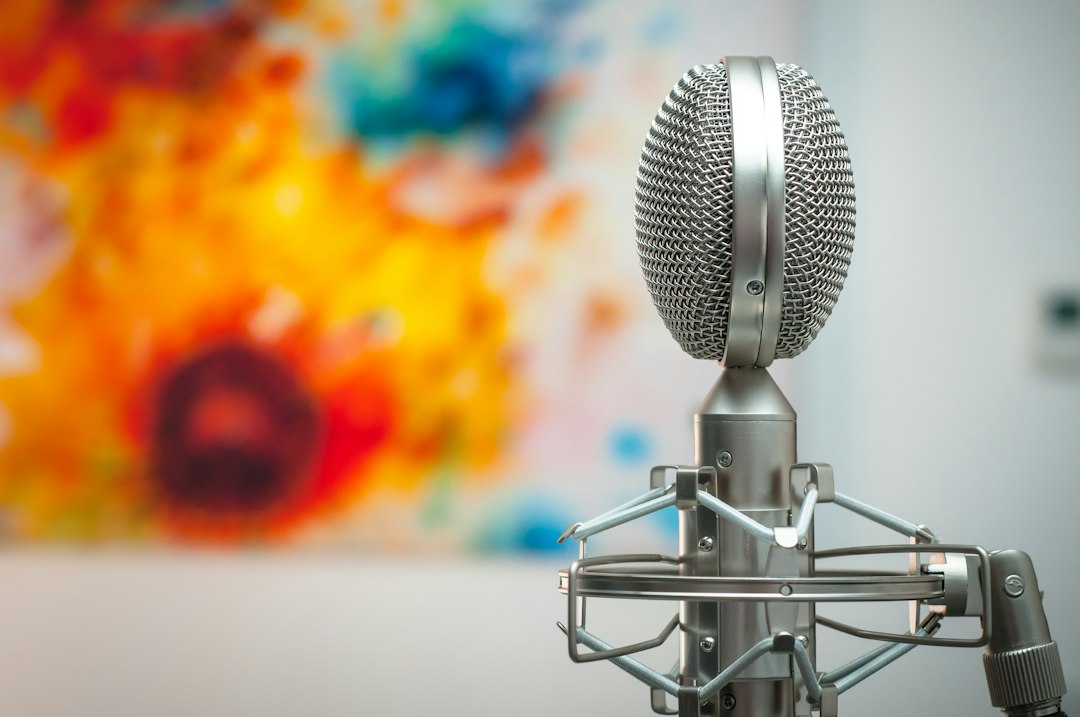
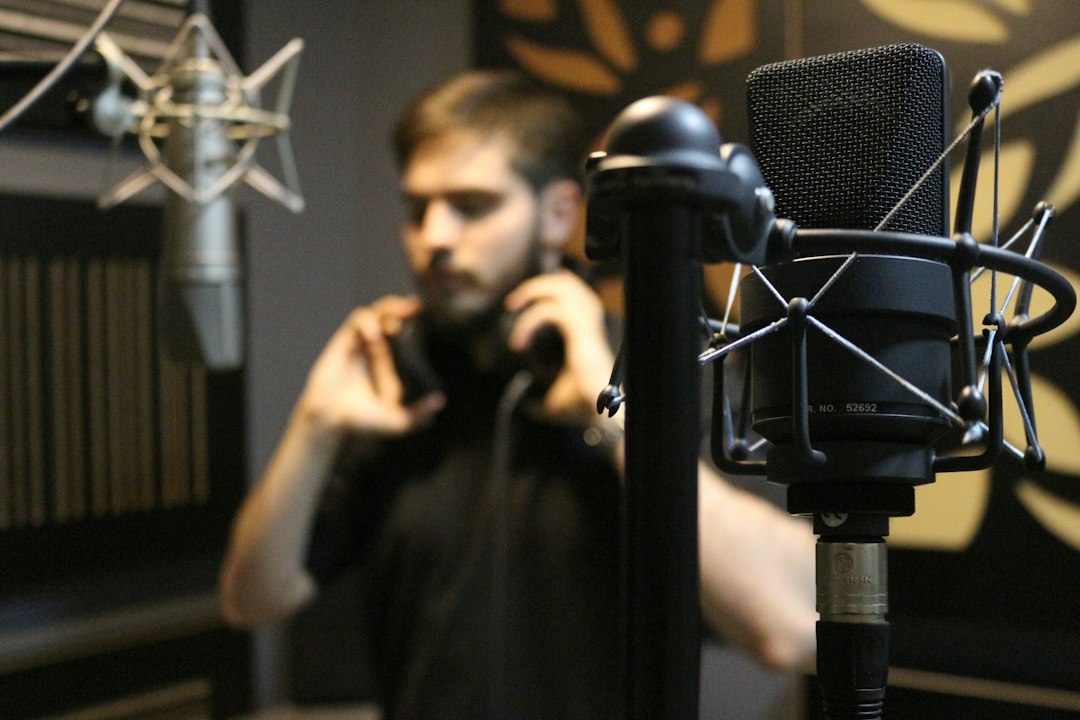
A large-diaphragm condenser uses a thin, electrically charged membrane (usually around an inch across) that reacts to sound waves. That larger surface tends to produce a fuller, more flattering tone with low self-noise, which is why these mics are the standard choice for vocals, spoken word and acoustic instruments. If you are comparing mic types more broadly, our guide on condenser vs dynamic microphones covers when each one makes sense.
The “large” matters. Compared with small-diaphragm models, large-diaphragm condensers generally sound warmer and weightier on voices, while small-diaphragm mics often capture fast transients and high detail more accurately. We break down that trade-off in large vs small-diaphragm condensers.
How to choose: the buying criteria that matter
You need phantom power
Condenser mics have active electronics that require power, supplied as 48V “phantom power” down the same cable that carries the audio. Almost every audio interface and mixer provides it, usually via a button marked 48V. If you are new to this, see what is phantom power for the full explanation. Without it, a condenser mic produces no usable signal.
XLR plus an audio interface is required
These are XLR microphones, not USB. To record, you connect the mic by XLR cable to an audio interface (or mixer), which converts the signal for your computer and supplies phantom power. Budget for an interface alongside the mic if you don’t already own one. A USB condenser is simpler, but a dedicated interface gives you room to grow.
Cardioid vs multi-pattern
Most home recording is done in cardioid, a polar pattern that picks up sound mainly from the front and rejects the rear. That focus helps in untreated rooms because it captures less of the space behind the mic. Some mics add extra patterns (omnidirectional, figure-8) for room recording, duets or stereo techniques. If you mostly track one voice or one instrument, cardioid alone is plenty. Our microphone polar patterns explained guide shows what each pattern does.
Sensitivity means you need a quiet, treated room
Large-diaphragm condensers are sensitive by design, so they hear everything: traffic, computer fans, keyboard clatter, the natural echo of a bare room. To get clean results you want a quiet space with some acoustic treatment, even if that is just soft furnishings, a thick rug and a duvet behind the mic. Treatment usually improves a recording more than upgrading the mic does. For practical setup tips, read how to record vocals at home.
The 5 best large diaphragm condenser microphones
1. Audio-Technica AT2020 — best value
Best for: first-time home recordists and tight budgets.
The Audio-Technica AT2020 is one of the most widely recommended entry-level studio mics. It is a cardioid large-diaphragm condenser with an XLR connection that requires 48V phantom power. It is a sensible starting point for vocals, podcasting and acoustic instruments without spending much. Check the current price on Amazon: Shop on Amazon.
2. Rode NT1 — quiet all-rounder
Best for: singers and voice work who want a clean, low-noise capture.
The Rode NT1 is a cardioid large-diaphragm condenser known for its low self-noise, making it a popular pick for vocals where a quiet recording chain matters. It uses an XLR connection and needs 48V phantom power. A dependable step up from entry level. Check the current price on Amazon: Shop on Amazon.
3. sE Electronics X1 S — flexible workhorse
Best for: home studios that record both vocals and louder sources.
The sE Electronics X1 S is a cardioid large-diaphragm condenser with an XLR connection that requires 48V phantom power. It is well regarded as a versatile vocal and instrument mic at its price point. Check the current price on Amazon: Shop on Amazon.
4. AKG C214 — multi-purpose studio mic
Best for: people who want a single dependable mic for vocals and instruments.
The AKG C214 is a cardioid large-diaphragm condenser, XLR, requiring 48V phantom power. It is a long-standing studio favourite for vocals, acoustic guitar and as a general-purpose condenser. Check the current price on Amazon: Shop on Amazon.
5. Neumann TLM 102 — best studio pick
Best for: recordists ready to invest in a reference-grade vocal mic.
The Neumann TLM 102 is a cardioid large-diaphragm condenser with an XLR connection that requires 48V phantom power. Neumann’s reputation for refined, broadcast-quality sound makes it a frequent end-game choice for home vocal and voiceover work. Check the current price on Amazon: Shop on Amazon.
Large diaphragm condenser vs USB microphone: which is right for you?
Every mic on this list is an XLR condenser, and that choice is deliberate — but it isn’t automatically right for everyone. A USB condenser plugs straight into your computer and skips the interface entirely, which is cheaper up front and genuinely simpler. If you only ever record one voice for podcasting or voiceover and never plan to expand, a good USB mic can be all you need.
The reason serious home recordists still reach for an XLR large-diaphragm condenser is headroom to grow. With an interface you can swap mics freely, add a second input for interviews or instruments, monitor with near-zero latency, and upgrade one part of the chain at a time rather than replacing an all-in-one unit. The mic also tends to outlast everything around it — a Neumann or AKG bought today will still be current in a decade, while USB mics are tied to the electronics baked inside them.
How much should you spend?
You don’t need to spend a fortune, and past a certain point the room matters more than the mic. Roughly speaking, entry-level large diaphragm condensers like the AT2020 sit at the affordable end and are more than good enough to make finished-sounding records. The mid tier — the Rode NT1, sE X1 S and AKG C214 — buys you lower self-noise, better build and a little more character. Reference-grade options like the Neumann TLM 102 are the end game, and the jump is real but subtle. For most people, spending less on the mic and putting the difference toward acoustic treatment and a decent interface is the smarter move. Check current prices on Amazon before you decide, since street prices shift with sales and bundles.
Comparison table
| Mic | Pattern | Connection | Best for |
|---|---|---|---|
| Audio-Technica AT2020 | Cardioid | XLR (48V) | Budget vocals and podcasting |
| Rode NT1 | Cardioid | XLR (48V) | Low-noise vocal recording |
| sE Electronics X1 S | Cardioid | XLR (48V) | Vocals and louder sources |
| AKG C214 | Cardioid | XLR (48V) | All-round vocals and instruments |
| Neumann TLM 102 | Cardioid | XLR (48V) | Reference-grade vocals |
For more options across types and price tiers, browse our full microphones section.
Frequently asked questions
Do I need phantom power for a large-diaphragm condenser?
Yes. Large-diaphragm condensers have active electronics that need 48V phantom power, supplied by your audio interface or mixer down the XLR cable. Switch on the 48V button before recording, and you are good to go.
Can I plug a condenser mic straight into my computer?
Not directly. These are XLR mics, so you need an audio interface (or mixer) between the mic and your computer. The interface converts the signal and provides the phantom power the mic requires. If you want a plug-and-play option, look at USB condensers instead.
Is a large-diaphragm condenser good for an untreated room?
It can work, but these mics are sensitive and will pick up room echo and background noise. A cardioid pattern helps by rejecting sound from behind the mic. For the cleanest results, add some basic acoustic treatment such as soft furnishings, a rug and something absorbent behind the mic.