In this blue yeti review we cut straight to it: the Blue Yeti is still one of the most capable plug-and-play USB microphones you can buy, and for podcasters, streamers and hobby vocalists it remains a genuinely sensible pick in 2026. It is not the last mic you will ever own, and it is easy to misuse, but the fundamentals that made it famous are intact. Below we cover how it sounds, where it shines, where it frustrates, and who should buy something else instead.
Violet Recording is reader-supported — we may earn a commission from links on this page, at no extra cost to you.
Quick verdict — Blue Yeti (Logitech G)
Rating: 4/5. The default USB mic for streamers and podcasters remains an easy recommendation on value and plug-and-play flexibility — its one real weakness is a sensitivity to room noise that makes a quiet or treated space essential.
Best for: podcasters, streamers, voiceover beginners and anyone who wants clean USB audio with zero setup.
Skip it if: you record in an untreated, echoey room or you already own an audio interface.
Price: Check the current price on Amazon — Shop on Amazon
What the Blue Yeti actually is, and why it stayed popular
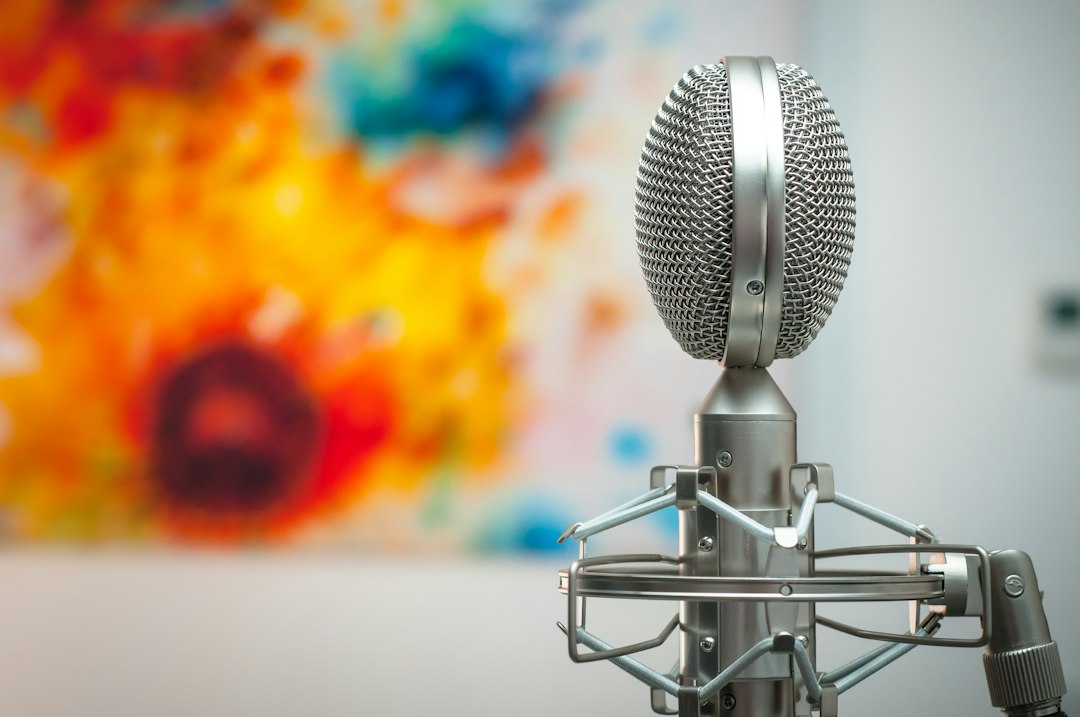
The Blue Yeti is a large, tri-capsule USB condenser microphone that plugs straight into a computer over USB — no audio interface, no phantom power supply, no XLR cable. When it launched it more or less defined the “serious-looking desktop USB mic” category, and Logitech (which now owns the Blue brand) has kept it in production with only minor changes. That longevity is not an accident. The Yeti nails the thing most first-time buyers actually need: you take it out of the box, screw it into its weighted desk stand, plug in the USB cable, select it as your input, and you are recording broadcast-usable audio within a couple of minutes.
Under the grille sit three condenser capsules, and a chunky switch on the back lets you choose between four polar patterns — cardioid, omnidirectional, bidirectional and stereo. That flexibility is the Yeti’s headline feature and the main reason it has outlasted cheaper rivals. Most desktop USB mics give you one fixed pickup pattern; the Yeti gives you a small toolkit. If you are still fuzzy on what those patterns do, our guide to microphone polar patterns explained walks through each one, and our primer on condenser vs dynamic microphones explains why a sensitive condenser like this behaves the way it does.
What this Blue Yeti review found about sound quality
Tonally the Yeti is bright, detailed and forward. On a spoken voice in cardioid mode it delivers crisp, intelligible highs and enough low-mid weight to sound substantial, which is exactly why it became a podcasting default. Sung vocals come through clear and present, and acoustic instruments recorded up close capture plenty of string and finger detail. For YouTube narration, Twitch streams, remote meetings, Discord and demo-quality music, it sounds noticeably more professional than any laptop or headset mic.
The catch — and it is the single most important thing to understand before you buy — is that the Yeti is a sensitive, side-address condenser, and it hears your room. In a bare, hard-surfaced space it will faithfully record the reflections bouncing off your walls, and your audio will sound distant, boxy or “roomy.” This is not a fault in the mic; it is physics. The fix is simple and cheap: get close (15–20 cm), speak into the front (the side with the Blue logo, not the top), keep the gain sensible, and add a little soft furnishing or foam behind you. Do that and the Yeti sounds excellent. Ignore it and you will blame the mic for your room. A few notes on the same principles live in our walkthrough on how to record a podcast at home.
How it performs, and how it is regarded
The Yeti earned its reputation as the default USB microphone for streamers and podcasters, and that standing has held up because the mic does the core job so well: it is genuinely plug-and-play, the four polar patterns give it flexibility that most single-pattern rivals cannot match, and the price-to-quality ratio is hard to argue with. Reviewers and long-time owners consistently praise how quickly it turns a laptop or headset setup into something that sounds broadcast-ready, and the onboard headphone monitoring, gain dial and mute button are regularly cited as conveniences that punch above the mic’s price.
Its well-documented weakness is the flip side of that sensitivity. Because it is a responsive condenser, it captures room reflections and background noise readily, which is why so much of the online advice around the Yeti — and the recurring complaint from disappointed buyers — comes down to placement and room treatment rather than the mic itself. Used close, on the correct front-facing side, with the gain kept in check and a little soft furnishing to tame reflections, it is widely regarded as one of the best-value ways to get clean, professional-sounding audio. In a bare or noisy space, its reputation is more mixed, and that is the honest boundary of what a 4-out-of-5 rating reflects.
The four pickup patterns, and when each one earns its keep
This is where the Yeti separates itself from single-pattern USB mics, so it is worth knowing what each mode is for:
- Cardioid — the one you will use 90% of the time. Picks up what is in front and rejects the sides and rear. Ideal for solo podcasting, streaming, voiceover and singing.
- Omnidirectional — captures evenly from all directions. Handy for a round-table conversation with the mic in the middle, or capturing room ambience — but it hears everything, so only use it in a quiet, treated space.
- Bidirectional — picks up front and back, rejects the sides. Perfect for a two-person, face-to-face interview across a desk.
- Stereo — uses left and right capsules for a wide image. Nice for acoustic guitar or capturing a sense of space, less useful for a single voice.
Alongside the pattern switch you get onboard controls most rivals lack: a headphone jack for true zero-latency monitoring, a live monitoring volume knob, a mic gain dial and a mute button. Being able to hear yourself in real time without software routing is a bigger deal than it sounds, and it is a genuine convenience for anyone who is still learning about audio latency.
If you are weighing the original against its newer sibling, our Blue Yeti vs Blue Yeti X comparison breaks down sound, metering and controls.
The quirks and limitations you should know before buying
No honest blue yeti review skips the annoyances, because they are the reason some people return it. First, the Yeti is heavy and its included stand transmits desk vibration and keyboard thumps straight into the recording; if you type while you talk, you will hear it. A shock mount and a boom arm solve this, and both are worth budgeting for — see our explainer on what a shock mount is if you are not sure why it matters.
Second, that bright, detailed voicing that flatters clear speech can also emphasise sibilance and plosives, so a foam windscreen or a proper pop filter is close to essential for vocals. Third, because it is so sensitive, it is unforgiving of a noisy environment — fans, air conditioning and street noise all creep in. And finally, the Yeti tops out at USB and a fixed connection; there is no XLR option, so you cannot later plug it into a mixer or a dedicated preamp. If you think you will eventually graduate to an audio-interface-based rig, it is worth reading USB mic vs audio interface before you commit, because the Yeti is a destination mic, not a stepping stone into that world.
Who should buy the Blue Yeti — and who shouldn’t
Buy it if you want one mic that just works for podcasting, streaming, voiceover, meetings and casual music, you value the four patterns and onboard monitoring, and you are willing to spend five minutes on placement and a little room control. For that person the Yeti is still one of the easiest recommendations in the category. Pair it with a pop filter and a boom arm and you have a setup that will serve you for years.
Look elsewhere if your room is bare and echoey, or you record in a noisy shared space — in those conditions a dynamic mic will sound cleaner because it rejects room sound and background noise far better. It is the classic condenser-vs-dynamic trade-off, and for untreated rooms our roundup of the best dynamic microphones for vocals is the better starting point. And if you already own or plan to buy an interface, an XLR mic will give you a longer upgrade path.
Alternatives worth comparing before you commit
The Yeti no longer has the desktop to itself. A few strong rivals, all real and widely sold:
- Blue Yeti Nano — a smaller, simpler two-pattern (cardioid + omni) version of the same mic. Cheaper and tidier if you never needed stereo or bidirectional. Check the current price on Amazon — Shop on Amazon
- Shure MV7 — a USB/XLR dynamic mic built for voice. It rejects room and background noise far better than the Yeti and gives you an XLR upgrade path, at a higher price. Our full Shure SM7B review covers its bigger XLR sibling. Check the current price on Amazon — Shop on Amazon
- Audio-Technica AT2020USB+ — a clean, cardioid-only USB condenser with a slightly more neutral, less hyped top end than the Yeti. Check the current price on Amazon — Shop on Amazon
- HyperX QuadCast S — a streamer-focused USB condenser with a built-in shock mount, tap-to-mute and RGB. A direct Yeti rival for gamers. Check the current price on Amazon — Shop on Amazon
- Rode NT-USB+ — a refined USB condenser with onboard DSP, a solid pop filter and clean, polished sound. Check the current price on Amazon — Shop on Amazon
If a USB condenser is what you are after, our list of the best budget condenser microphones puts several of these head to head. You can also browse more gear write-ups in our Reviews hub.
Frequently asked questions
Is the Blue Yeti still worth buying in 2026?
Yes, for its target user. If you want a plug-and-play USB mic for podcasting, streaming, voiceover or meetings and you are prepared to control your room and mic distance, the Yeti still delivers clear, professional-sounding audio at a fair price. It is only the wrong choice for bare, echoey or noisy rooms, where a dynamic mic wins.
Why does my Blue Yeti sound distant or echoey?
Almost always placement and room, not the mic. It is a sensitive condenser, so get within 15–20 cm, speak into the front (the logo side, not the top), lower the gain, and add some soft furnishing behind you. Those four changes fix the vast majority of “roomy” Yeti recordings.
Do I need an audio interface for the Blue Yeti?
No — that is the whole point. The Yeti connects over USB and has its own built-in converter and headphone output, so it needs no interface, preamp or phantom power. The flip side is that it is USB-only, so it cannot later be plugged into a mixer or XLR interface if you upgrade.