
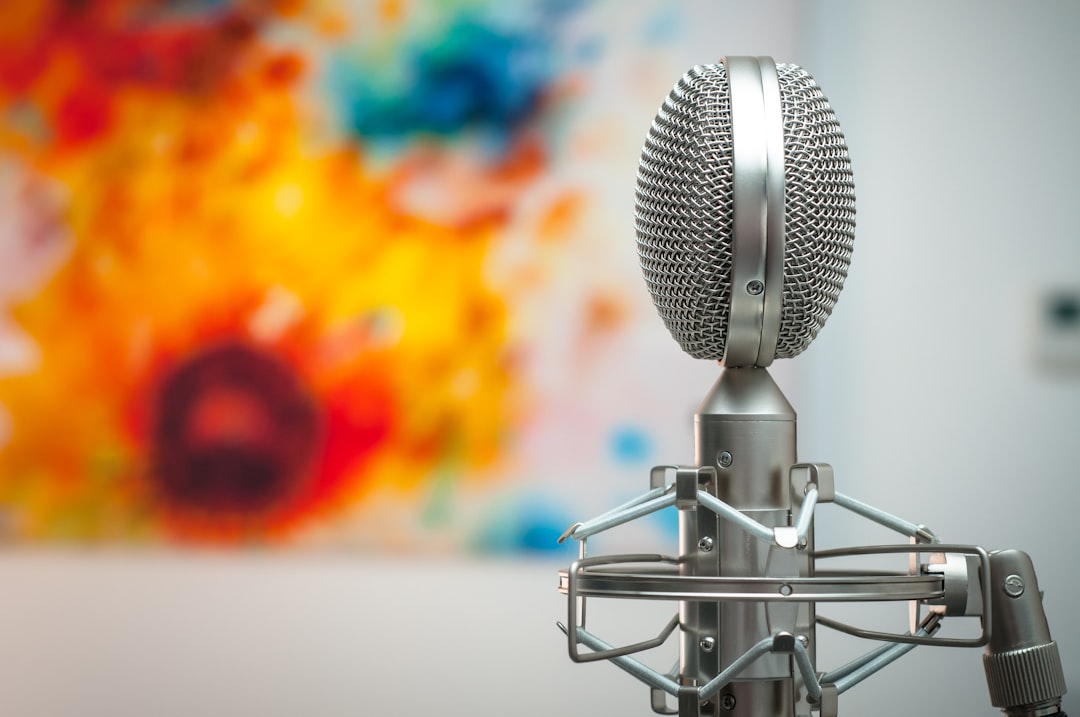
In the SM7B vs MV7 comparison, both are Shure cardioid dynamic broadcast mics with a similar voice, but they target different users. The SM7B is the pure-XLR studio standard that needs an interface and plenty of gain; the MV7 is a hybrid USB-and-XLR mic with built-in processing, aimed at people who want broadcast sound with less setup.
Quick verdict: Choose the MV7 if you want plug-and-play USB simplicity, onboard processing and a clear upgrade path. Choose the SM7B if you want the more refined, fully analogue broadcast sound and already run an XLR interface.
What each microphone is
Both are dynamic, cardioid mics that reject room noise well, so they work in untreated rooms — a big reason both are podcast and stream favourites. New to the type? See condenser vs dynamic microphones.
- Shure SM7B: A large-diaphragm XLR broadcast dynamic with bass-roll-off and presence switches, internal shock isolation and a built-in pop filter. The long-standing radio and podcast standard; for a deeper look read our Shure SM7B review.
- Shure MV7 / MV7+: A hybrid dynamic with both USB and XLR outputs, a touch panel, headphone monitoring and software (MOTIV) for auto-level, EQ and other onboard DSP.
Connection and ease of use
This is the headline difference.
- The MV7 plugs straight into a computer over USB with no interface, gives you zero-latency headphone monitoring, and offers software auto-gain that’s forgiving for beginners. You can also use its XLR output later. Compare the trade-offs in USB mic vs audio interface.
- The SM7B is XLR only and needs an interface plus plenty of clean gain — often a Cloudlifter or high-gain interface. See how to set up an audio interface.
Sound and tone
Both share Shure’s smooth, midrange-focused broadcast voice and sound great up close. The SM7B is generally considered the more refined, open and “finished” of the two, with its analogue tone switches. The MV7 sounds very close, and its DSP and EQ can shape the tone in software — handy, though purists prefer the SM7B’s straight analogue path. Both reward close mic technique and a pop filter; read microphone placement for vocals.
Features at a glance
| Shure SM7B | Shure MV7 | |
|---|---|---|
| Type | Dynamic, cardioid | Dynamic, cardioid |
| Connection | XLR only | USB + XLR |
| Onboard processing | None (analogue switches) | DSP: auto-level, EQ, monitoring |
| Headphone jack | No | Yes (USB monitoring) |
| Gain needs (XLR) | High; often needs a Cloudlifter | Moderate |
| Price tier | Premium | Mid |
Gain, noise and the Cloudlifter question
The SM7B’s reputation for being “quiet” comes down to its low output: it asks for a lot of clean gain, more than many entry-level interfaces can deliver before their own preamp hiss creeps in. That is why so many SM7B users add an inline booster such as a Cloudlifter or an FetHead, which adds clean gain ahead of the interface so you can keep the interface preamp at a sensible level. If your interface already has strong, quiet preamps you may not need a booster at all — but it is worth budgeting for one when you cost out an SM7B rig.
The MV7 sidesteps most of this. Over USB it handles its own gain staging internally, and even on XLR its output is more moderate, so it is less demanding of your preamp. For anyone who finds gain staging and signal-to-noise headroom confusing, that alone can make the MV7 the less stressful choice.
How to choose between them
Rather than chasing the “better” mic, match the tool to how you actually work:
- Your setup: If you only have a laptop and want to record today, the MV7 over USB is the obvious answer. If you already own — or plan to own — a capable XLR interface, the SM7B fits naturally into that chain. The wider USB vs XLR microphones for podcasting debate covers the same trade-off in depth.
- Your comfort level: Beginners benefit from the MV7’s auto-level and monitoring. If you enjoy dialling in hardware and want full manual control, the SM7B rewards that.
- Where you’re heading: Solo podcasters and streamers are well served by the MV7. If you expect to record multiple mics, run a mixer, or move into a more serious studio chain, the SM7B is the more future-proof centrepiece.
- Your room: Both reject room noise well, so neither demands heavy treatment — but no mic fixes a very echoey space. A little soft furnishing and good distance from reflective walls helps either one.
Common mistakes to avoid
- Underpowering the SM7B. Pairing it with a weak interface and no booster leaves you cranking gain until you hear hiss. Plan the gain chain before you buy.
- Sitting too far back. Both mics are designed for close work. Backing off a hand-span or more makes you sound thin and lets the room in. Get close and use a pop filter.
- Over-processing the MV7. The onboard DSP is convenient, but stacking heavy auto-EQ and compression can over-cook your voice. Start light and add only what you need.
- Expecting a condenser-style “air”. These are dynamics with a warm, focused tone. If you want a brighter, more detailed top end, that is a different mic category, not a fault in either of these.
Which should you choose?
- Choose the MV7 if you want to plug into a laptop and sound great immediately, value monitoring and auto-level, or want one mic that does both USB now and XLR later. If you’re weighing it against another broadcast favourite, see Shure MV7 vs Rode PodMic.
- Choose the SM7B if you want the most refined analogue broadcast sound, already own a capable interface, and prefer hardware tone switches over software DSP.
For the full recording chain either way, see how to record a podcast at home and browse the microphones hub.
Frequently asked questions
Is the MV7 just a USB version of the SM7B?
Not exactly. They share Shure’s broadcast dynamic character and look similar, but the MV7 adds USB, headphone monitoring and onboard DSP, while the SM7B is a pure analogue XLR mic with tone switches and is generally regarded as the more refined sounding of the two.
Does the MV7 need an audio interface?
No. The MV7 works over USB straight into a computer, which is its main advantage. It also has an XLR output for use with an interface or mixer when you want it.
Which is better for a beginner podcaster?
The MV7 is usually the better starting point because USB connection, auto-level and headphone monitoring make it easy to get a clean recording without extra gear. The SM7B is a better long-term pick once you have a capable XLR setup. If you’re still shortlisting options, our roundup of the best microphones for podcasting is a good next stop.
Do I really need a Cloudlifter for the SM7B?
Not always. It depends on your interface. If your preamps are clean and have enough gain, you can run the SM7B directly. If you hear hiss when you turn the gain up to a usable level, an inline booster like a Cloudlifter gives you clean headroom and solves the problem.
Can I use the MV7 on USB and XLR at the same time?
The MV7 can output over both connections, which is handy if you want to capture a USB recording on a computer while also feeding an XLR signal to a separate recorder or mixer as a backup. For most users, though, you’ll pick one connection that suits your setup and stick with it.



