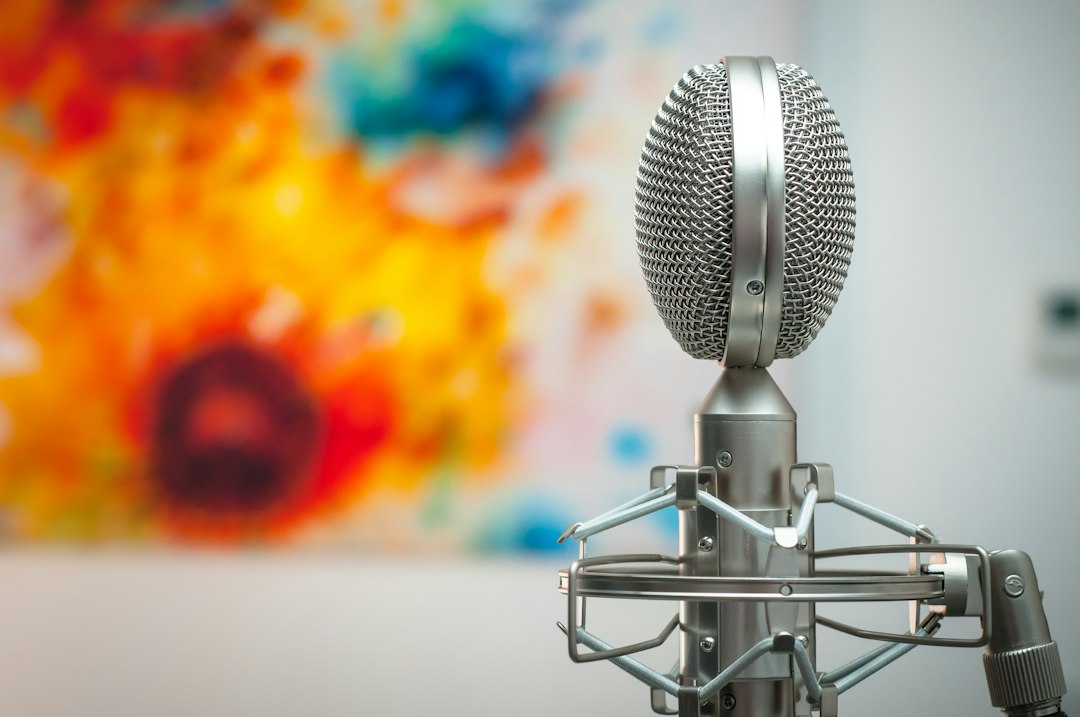
This rode nt1 review is for anyone weighing up a large-diaphragm condenser for vocals, acoustic guitar or podcasting and wondering whether the NT1’s near-silent reputation lives up to the hype. The short answer: for most home recordists, it is one of the easiest microphones to recommend at its price. It pairs an exceptionally low noise floor with a clean, slightly bright voicing and a bundle that gets you tracking on day one.
Violet Recording is reader-supported — we may earn a commission from links on this page, at no extra cost to you.
Rode NT1 review: the verdict at a glance
Rating: 4.5/5. One of the quietest studio condensers you can buy, with a warm, clear voicing and an in-the-box accessory bundle that make it a home-studio staple and outstanding value — as long as you already have an interface with phantom power.
The Rode NT1 is a fixed-cardioid, large-diaphragm condenser that has become a genuine studio standard for home producers. It undercuts a lot of the competition on noise, ships with a shock mount and pop filter in the box, and carries a long warranty when you register it. If you want a versatile, quiet workhorse mic and you already own an audio interface with phantom power, it belongs on your shortlist. Shop on Amazon — Check the current price on Amazon.
What the Rode NT1 actually is
The NT1 is a side-address condenser microphone built around a 1-inch capsule with a cardioid polar pattern. Cardioid means it picks up sound mainly from the front and rejects a good deal of what arrives from the sides and rear, which is exactly what you want when you are recording in an untreated or lightly treated room and trying to keep reflections and background noise out of the take.
Because it is a condenser, it needs 48V phantom power to run. That power comes from your audio interface or mixer, so this is not a plug-and-play USB mic — you connect it over a standard XLR cable. If you are still deciding between the two approaches, our guide on USB mics versus an audio interface walks through the trade-offs. The NT1 sits firmly in the interface camp, and that is part of why it sounds as clean as it does.
Rode positions the NT1 as an all-rounder rather than a specialist, and that framing is fair. It handles vocals, spoken word, acoustic guitar, strings and room-miked amps without complaint. It is not a dynamic broadcast mic like the Shure SM7B, so it is more sensitive to room sound — but in a treated space that sensitivity is an asset, not a liability.
Key features and how they matter in practice
A spec sheet only means something once you translate it into what you will actually hear, so here is the practical read on the features that matter.
- Very low self-noise. The NT1 is marketed as one of the quietest studio condensers in its class, and that is its headline feature. Low self-noise means quiet passages, breaths and delicate acoustic parts stay clean, and you can push gain for a soft-spoken vocalist without a wash of hiss creeping in behind them.
- Cardioid-only pattern. There are no pattern-switching options — it is cardioid and nothing else. For a first serious condenser that is a feature, not a limitation, because cardioid is the pattern you will use for the vast majority of home recording. Read more on why in our explainer on microphone polar patterns.
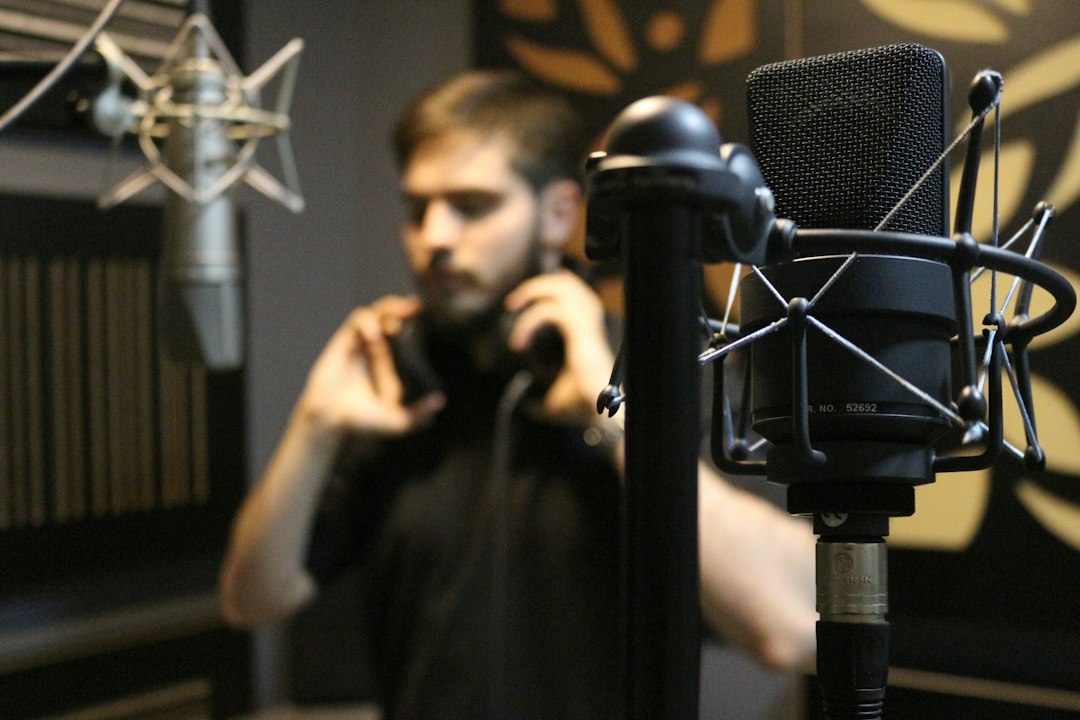
- Included shock mount and pop filter. The NT1 ships with a dedicated shock mount that has a pop filter built into it, so you are not spending extra on accessories to get a usable vocal setup. If you are unsure why that matters, we cover it in what a shock mount does — in short, it isolates the capsule from desk thumps and floor vibration.
- Large-diaphragm design. The 1-inch capsule gives the NT1 the full, authoritative low-mids that people associate with a “studio” vocal sound. If you want the theory behind that, see large-diaphragm versus small-diaphragm condensers.
- Solid build and long warranty. The body is metal, the finish is durable, and Rode offers an extended warranty when you register the mic. For a first condenser that longevity matters — this is a microphone you can keep as you upgrade the rest of your chain.
How the Rode NT1 sounds
Tonally, the NT1 leans clean and slightly forward in the upper mids and highs, giving vocals air and presence without tipping into harshness on most sources. It is more open and detailed than a dynamic mic, which is precisely what you are buying a condenser for. On acoustic guitar it captures string detail and body; on spoken word it delivers a crisp, intelligible tone that sits well in a podcast mix.
That detail cuts both ways. A sensitive condenser hears everything — the fan of your computer, the room’s early reflections, traffic outside — so the NT1 rewards a bit of acoustic treatment and good microphone placement. Get the source a sensible distance from the capsule, manage your reflections, and it sounds far more expensive than it is. Skip that groundwork in a boxy, reflective room and you will hear the room as much as the singer. That is true of every condenser, not a fault of the NT1, but it is worth setting expectations honestly.
What the Rode NT1 is known for
The NT1 has earned its reputation as one of the quietest condensers in its class, and that low self-noise is the quality reviewers and home recordists consistently single out. In practice it is what lets the mic capture soft vocals, breaths and delicate acoustic detail cleanly, without a bed of hiss — the trait that has made it a long-standing home-studio staple rather than a passing recommendation. Its voicing is widely described as warm yet clear, flattering on vocals and spoken word while staying honest enough for acoustic sources. Paired with a metal build, an included shock mount and pop filter, and a long registered warranty, it is regarded as strong value for a first serious studio microphone.
Setup is genuinely simple: mount it in the included shock mount, run an XLR to your interface, switch on 48V phantom power, and set your gain. If you are new to that last step, our guide to gain staging will keep you out of trouble. Because the noise floor is so low, you have real headroom to set a conservative level and still get a clean, usable signal.
Who the Rode NT1 is for
The NT1 is an easy call if you are a home recordist, singer-songwriter, podcaster or producer who wants a quiet, versatile condenser and already owns an interface with phantom power. It is a strong first “real” studio mic and a sensible step up from a USB microphone. It is also a good fit if you value the convenience of a mic that arrives ready to use, shock mount and pop filter included.
It is a weaker fit if you record in a loud, untreated room and cannot address that acoustically — in that scenario a dynamic mic like the Shure SM7B will forgive your room more readily. It is also not the mic to reach for if you specifically need multiple polar patterns for stereo or room techniques, since it is cardioid-only. For the wider landscape, see our roundup of the best microphones for home recording.
Alternatives worth comparing before you buy
No microphone is the right answer for everyone, so weigh the NT1 against these before you commit.
- Audio-Technica AT2020 — the classic budget condenser. It costs less than the NT1 and is a proven starter mic, but it is noisier and comes with fewer accessories. If budget is the deciding factor, it is the obvious rival. Shop on Amazon — Check the current price on Amazon.
- Rode NT1-A — the older, brighter sibling. It is voiced with more high-end lift than the NT1, which some vocalists love and others find sharp. Worth an A/B if you can. Shop on Amazon — Check the current price on Amazon.
- Shure SM7B — a dynamic broadcast mic rather than a condenser. It is far more forgiving of a bad room and needs more clean gain, making it the go-to for loud, untreated spaces and broadcast voice. Read our full Shure SM7B review. Shop on Amazon — Check the current price on Amazon.
You will also want a capable interface to feed any of these. The Focusrite Scarlett 2i2 is the standard pairing for a home setup. Shop on Amazon — Check the current price on Amazon.
Frequently asked questions
Does the Rode NT1 need phantom power?
Yes. Like any studio condenser, the NT1 requires 48V phantom power to operate. That power is supplied by your audio interface or mixer over the XLR cable — just switch on the 48V button after connecting the mic. If you need a refresher, see our explainer on what phantom power is.
Is the Rode NT1 good for podcasting and streaming?
It is, provided your room is reasonably quiet or treated. As a condenser it captures a clean, detailed voice, and its low self-noise keeps recordings free of hiss. The catch is that condensers pick up room sound and background noise more than dynamics do, so streamers in loud or reflective spaces may prefer a dynamic mic like the SM7B.
Rode NT1 or Audio-Technica AT2020 — which should I buy?
Buy the AT2020 if you want the lowest possible entry price and accessories are not a concern. Choose the NT1 if you want a noticeably lower noise floor, a more refined build, and a shock mount plus pop filter included in the box. For most people making a longer-term investment, the NT1 is the stronger buy. Browse more options in our best budget condenser microphones guide.
Want to keep researching? Start with the Reviews hub for more gear tested by real home recordists, or read condenser versus dynamic microphones to be sure a condenser is the right category for you in the first place.