
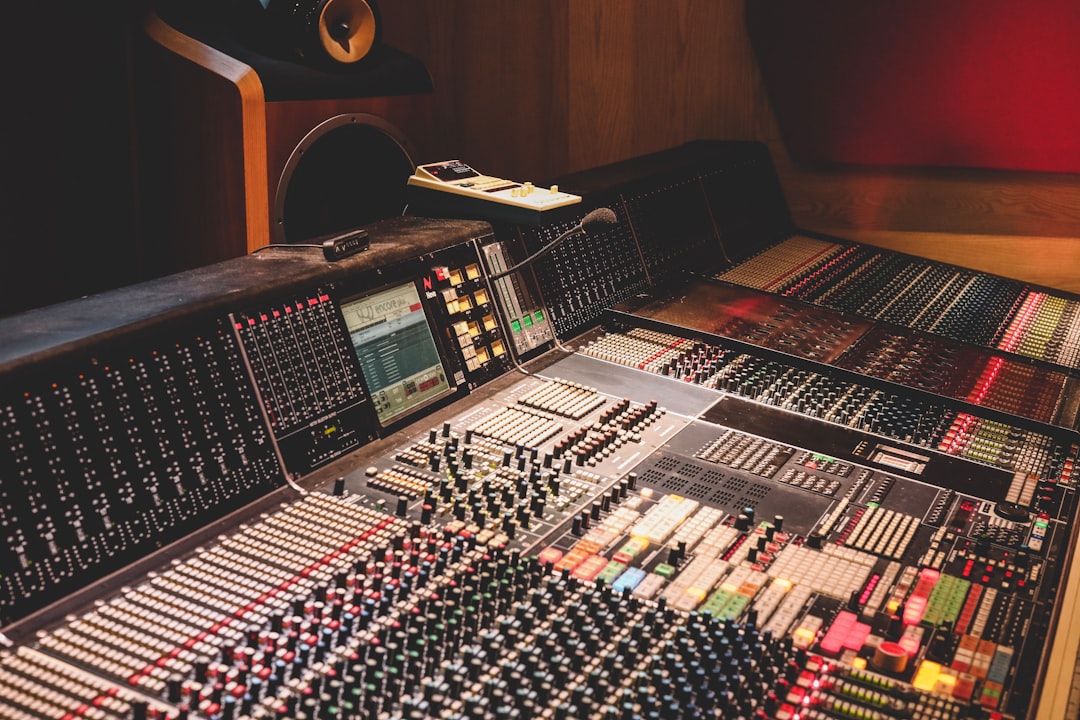
The best mic preamp for you is the one that matches your microphone, your voice or instrument, and the sound you’re chasing — a clean, transparent unit if you want the source untouched, or a coloured transformer or tube design if you want weight and character baked in. Below we compare eight standalone preamps that punch above the built-in circuits in most interfaces, explain how to choose, and point you to the right pick whether you’re tracking vocals, running a podcast, or driving a stubborn dynamic mic like an SM7B.
Violet Recording is reader-supported — we may earn a commission from links on this page, at no extra cost to you.
Quick-pick comparison: how the top preamps stack up
Here’s the short version if you already know roughly what you need. Each pick is covered in detail further down, with a “Shop on Amazon” link so you can check current pricing.
| Preamp | Best for | Character | Channels |
|---|---|---|---|
| Focusrite ISA One | Best overall for home studios | Classic transformer, clean-to-warm | 1 (mono) |
| Warm Audio WA73 | Neve-style vocal tone on a budget | Coloured, thick, midrange-forward | 1 (mono) |
| Golden Age Project Pre-73 MkIV | Best value Neve-flavoured pre | Vintage colour, saturates nicely | 1 (mono) |
| Universal Audio Solo/610 | Tube warmth and vibe | Valve, rich harmonics | 1 (mono) |
| dbx 286s | Podcasting and broadcast voice | Clean + built-in processing | 1 (mono) |
| Cloudlifter CL-1 | Boosting quiet dynamic/ribbon mics | Transparent inline gain | 1 (activator) |
| ART Pro MPA II | Budget stereo tube preamp | Tube, flexible | 2 (stereo) |
| AMS Neve 1073 | No-compromise premium tone | The original coloured classic | 1 (mono) |
Do you actually need a standalone preamp?
Every audio interface already has mic preamps built in — that’s what the XLR inputs are. So the honest first question is whether you need an outboard unit at all. For a lot of home recordists, the answer is “not yet.” A modern interface like the Focusrite Scarlett has clean, quiet preamps that are perfectly good for vocals, guitars and podcasts. If your recordings sound thin or noisy, the culprit is more often the room, the mic choice or your gain staging than the preamp.
You benefit from a dedicated preamp in three situations. First, when you want character — a transformer or tube design that adds harmonic weight and “glue” that a clean interface deliberately avoids. Second, when you need more clean gain — quiet dynamic and ribbon mics can ask for 60dB or more, and some interfaces run out of headroom before you get there. Third, when you want better converters and headroom for a signature source like a lead vocal. If none of those apply, spend the money on acoustic treatment or a better mic instead.
What separates the best mic preamp from a mediocre one
When you’re comparing units, weigh these criteria rather than chasing brand names:
- Gain range and headroom. Look for at least 60dB of clean gain if you’ll run dynamic mics like the SM7B or a ribbon. Running out of gain forces you to crank the interface after the preamp, which adds hiss.
- Clean vs coloured. A transparent preamp (think Focusrite ISA, Grace) captures the mic faithfully. A coloured one (Neve-style transformers, tubes) stamps its own tone on everything. Neither is “better” — it depends on whether you want to commit to a sound on the way in.
- Transformer vs tube vs solid-state. Transformers add low-mid thickness and gentle saturation. Tubes add smooth, even harmonics and “vibe.” Clean solid-state designs stay out of the way.
- Connectivity. Do you need a built-in DI for guitar/bass? A high-pass filter? A hardware insert? A digital output to skip your interface’s converters entirely? These features matter more day-to-day than marginal spec differences.
- Channel count. One channel is fine for solo vocals. If you record stereo sources, drums or two people at once, you’ll want two matched channels.
A quick note on phantom power: every condenser mic needs it, and every preamp here that’s meant for condensers supplies it. If that’s new to you, read what phantom power is before you buy. And if you’re still deciding between mic types, our guide to condenser vs dynamic microphones pairs well with this one.
The best mic preamp picks for 2026, reviewed
Focusrite ISA One — best all-round preamp for home studios
The ISA One is the classic starting point for anyone stepping up from interface preamps. It uses the same Lundahl-style transformer input as Focusrite’s legendary ISA 110 console module, so you get a full, slightly weighty tone that flatters vocals and acoustic guitar without turning cartoonish. It has a switchable impedance control that noticeably changes how dynamic and ribbon mics sit, a proper instrument DI, and an optional digital output card if you want to bypass your interface’s converters. If you buy one preamp and never think about it again, this is the safe, sounds-great answer. Shop on Amazon — Check the current price on Amazon.
Warm Audio WA73 — Neve-style vocal magic without the boutique price
Warm Audio built its reputation cloning revered console preamps with real transformers, and the WA73 delivers that thick, midrange-forward “1073” tone that so many hit vocals were tracked through. Push the gain and it saturates in a musical way that makes voices sound expensive. It’s a single channel with a genuine Carnhill transformer, a DI, and enough clean gain for most dynamics. If you want the sound of a classic Neve preamp at a fraction of the cost of the real thing, start here. Shop on Amazon — Check the current price on Amazon.
Golden Age Project Pre-73 MkIV — the best budget entry into transformer colour
The Pre-73 is how a lot of us first heard what a coloured preamp does to a source. It’s another Neve-inspired transformer design, but priced so aggressively it’s an easy first upgrade. You get vintage-flavoured saturation, a DI input, and switchable output modes so you can dial in more or less colour. It’s not as refined as the WA73, but for the money it’s remarkable, and it’s a genuine step up in vibe from most interface preamps. Shop on Amazon — Check the current price on Amazon.
Universal Audio Solo/610 — tube warmth and old-school vibe
Based on UA’s classic 610 console circuitry, the Solo/610 is a genuine valve preamp with the smooth, rounded harmonic character that tubes are loved for. Its variable input impedance and gain-vs-level staging let you go from gently warm to overtly saturated, which is fun on vocals, bass DI and guitar amps. It’s a “sound,” not a neutral tool — buy it because you want that vintage tube glow committed to the recording. Shop on Amazon — Check the current price on Amazon.
dbx 286s — the podcaster’s and broadcaster’s workhorse
The 286s isn’t just a preamp; it’s a full front-end channel strip with a de-esser, compressor, expander/gate and an enhancer built in. That makes it the go-to for spoken-word work: podcasting, streaming and voiceover, where you want a broadcast-ready, controlled voice printed on the way in with minimal fuss. It’s clean rather than coloured, and it tames plosives and sibilance without you touching a plugin. If you’re setting up to record a podcast at home, this is the pragmatic pick. Shop on Amazon — Check the current price on Amazon.
Cloudlifter CL-1 — the fix for quiet dynamic and ribbon mics
Strictly speaking the Cloudlifter is an inline activator, not a full preamp, but it solves a very specific problem beautifully. Low-output dynamics like the Shure SM7B and passive ribbons demand a lot of gain, and pushing a modest interface that hard adds hiss. The CL-1 uses phantom power to add roughly 25dB of clean, transparent gain before your preamp, so your interface can run at a comfortable, quiet setting. If you own an SM7B and a budget interface, this is often the single best-value box you can add. Pair it with our best dynamic microphones for vocals guide. Shop on Amazon — Check the current price on Amazon.
ART Pro MPA II — a flexible stereo tube preamp on a budget
If you need two channels — for stereo recording, drum overheads, or tracking two performers — the Pro MPA II is a lot of preamp for the money. It’s a tube design with variable plate voltage, adjustable input impedance and a wide gain range, so it’s surprisingly tweakable for the price. It can be squeaky clean or pushed into obvious tube saturation. It’s not boutique, but it’s a versatile, affordable way to get into outboard tube tone in stereo. Shop on Amazon — Check the current price on Amazon.
AMS Neve 1073 — the no-compromise reference
The 1073 is the preamp every clone on this list is chasing. Made by AMS Neve, the company that designed the original console module, it’s the genuine article: that unmistakable, thick, forward tone heard on countless classic records, with a musical three-band EQ on board. It’s a serious investment and overkill for many home studios, but if you’ve decided you want the real thing on your lead vocals and nothing else will do, this is the endgame. Shop on Amazon — Check the current price on Amazon.
How to match a preamp to your microphone and source
The preamp and the mic work as a system, so choose them together. A clean, modern condenser through a coloured Neve-style pre gives you the best of both: detail from the mic, weight from the transformer. A vintage-voiced ribbon through a clean preamp keeps things balanced rather than dull. Loud sources like electric guitar amps love a preamp you can drive into saturation; delicate acoustic guitar usually wants clean gain and headroom so the transients stay intact.
Voice type matters too. A thin or bright voice benefits from a thick transformer or tube pre that adds low-mid body. A naturally dark, chesty voice can sound muddy through the same box and may prefer a cleaner preamp with a high-pass filter. There’s no universal “best” — there’s only the best match for your specific mic, room and voice. If you’re still building the studio around all this, our budget home studio guide and the essential gear checklist will help you spend in the right order. You can also browse more buying advice in our audio interfaces hub.
Frequently asked questions
Will a mic preamp make my cheap microphone sound expensive?
Not on its own. A good preamp adds headroom, clean gain and — if it’s a coloured design — pleasing character, but it can’t add detail the microphone never captured. Fix the biggest weak link first: usually the room and the mic. A great preamp on a poor mic in an untreated room still sounds like a poor mic in an untreated room. Once your acoustics and microphone are solid, a preamp is the polish that takes a good recording to a great one.
Do I still need an audio interface if I buy a standalone preamp?
In almost all cases, yes. A standalone preamp outputs an analogue line-level signal that still has to be converted to digital and sent to your computer — that’s the interface’s job. You run the preamp into a line input on your interface. The exception is a preamp with a built-in digital output (like the optional card in the Focusrite ISA One), which can feed your interface digitally and bypass its converters. If you’re new to this chain, read our guide on setting up an audio interface.
What’s the difference between a tube preamp and a transformer preamp?
Both add colour, but differently. A tube (valve) preamp introduces smooth, even-order harmonics that most people describe as warm, round and vintage. A transformer-based solid-state preamp — the Neve-style sound — adds low-mid thickness and a punchy saturation as you push it harder. Tubes tend to sound softer and more “vibey,” transformers more solid and forward. Clean, transparent preamps use neither flavour heavily and aim to capture the mic exactly as it is. Which you want depends entirely on the tone you’re after.



