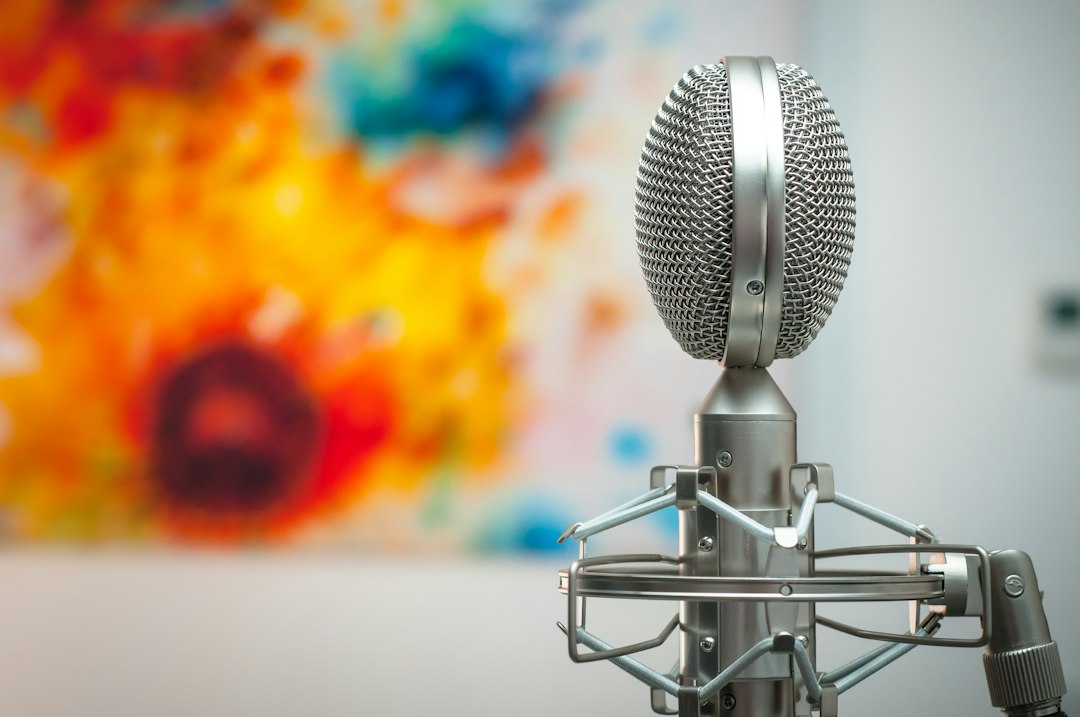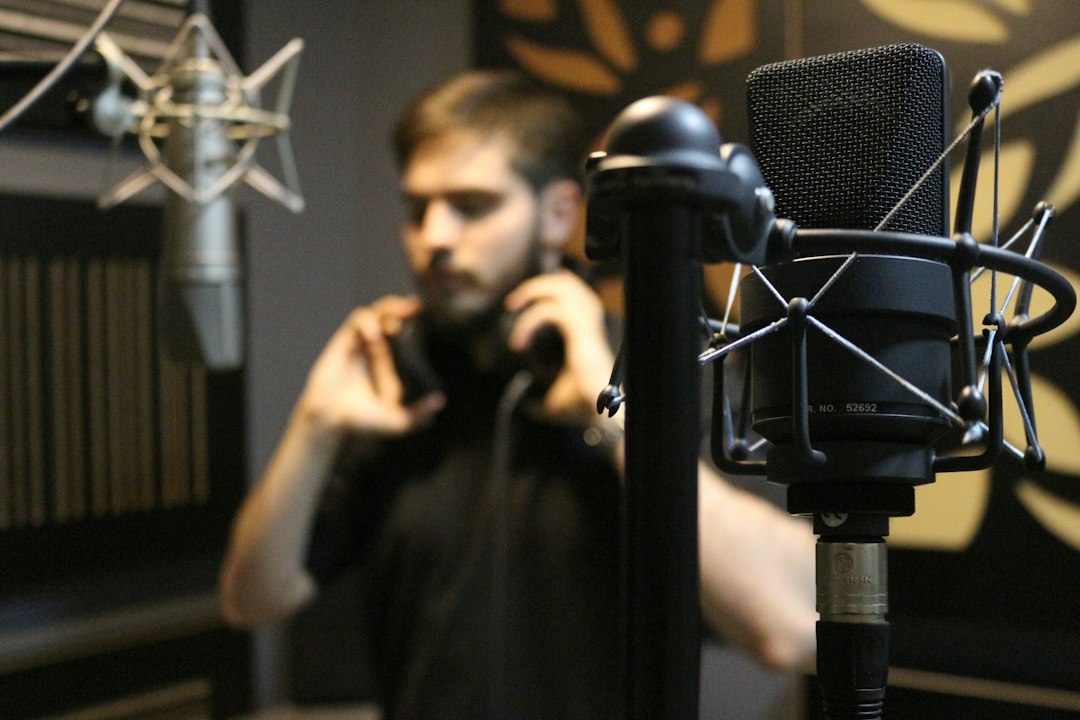
The best dynamic microphones for vocals are the Shure SM7B for studio and broadcast work, and the Shure SM58 for stage and budget recording. Dynamic mics reject room noise, handle loud sources without distorting, and run without phantom power, which makes them a practical choice when you record at home in a less-than-perfect room.
TL;DR: Our top studio pick is the Shure SM7B, a broadcast-grade cardioid dynamic that sounds great on close-up vocals if you can feed it enough clean gain. Our best budget and stage pick is the Shure SM58, a near-indestructible cardioid that has handled live vocals for decades and needs far less gain to drive.
Violet Recording is reader-supported — we may earn a commission from links on this page, at no extra cost to you.
Why choose a dynamic microphone for vocals
A dynamic microphone uses a moving coil to convert sound into a signal. That design makes it less sensitive than a condenser, and for home recording that is often a feature rather than a flaw. Here is why a dynamic mic suits vocals in a typical home setup.
- It rejects room noise. A dynamic mic with a cardioid pattern picks up mostly what is directly in front of it and ignores much of the sound bouncing around an untreated room. If you have not built a proper vocal booth, this keeps reflections and background hum out of your recording.
- It handles loud sources. Dynamic mics shrug off high sound pressure levels, so belted vocals, screamed takes and close-up delivery rarely overload the capsule.
- It does not need phantom power. Most dynamic mics work without the 48V supply that condensers require. If you are unsure what that means, see our explainer on what phantom power is and when you need it.
- It is durable. A moving-coil capsule tolerates knocks, humidity and handling far better than a delicate condenser, which matters on stage and on the road.
If you are still weighing your options, our guide to condenser versus dynamic microphones walks through the trade-offs in detail.
How to choose the best dynamic microphone for vocals
The gain question
This is the single biggest thing people overlook. Some dynamic vocal mics, the Shure SM7B being the classic example, have a low output and need a lot of clean gain to sound right. A cheap audio interface may run out of headroom before the vocal sits at a healthy level, leaving you with a thin, noisy signal. The usual fix is an inline preamp booster (devices like the Cloudlifter or Fethead) that adds clean gain ahead of your interface. Other dynamics, such as the SM58, are far easier to drive and work fine on modest interfaces. Check the gain requirement before you buy.
Polar pattern
For vocals you almost always want a cardioid pattern. Cardioid mics are most sensitive to sound from the front and reject sound from the rear, which is exactly what you need to isolate a single voice and keep the room out. To understand how patterns shape what a mic hears, read our breakdown of microphone polar patterns explained.
Connection
Most serious dynamic vocal mics use a balanced XLR connection, which means you will need an audio interface or mixer with an XLR preamp. A few modern broadcast mics add USB output so you can plug straight into a computer. Decide which you need before you commit, because an XLR mic and a USB-only setup are not compatible without extra gear.
Broadcast, stage or studio use
Match the mic to the job. Broadcast and podcast voices favour large-diaphragm dynamics with a smooth, full tone. Stage vocals call for a rugged handheld mic with strong feedback rejection and good handling. Studio vocals fall somewhere between, and the right placement matters as much as the mic, so see our notes on microphone placement for vocals.
The best dynamic microphones for vocals
Shure SM7B — best for studio and broadcast
The Shure SM7B is a cardioid dynamic microphone with an XLR connection, widely used for broadcast, podcasting and studio vocals. It is known for a smooth, full sound on close-up voices and for rejecting room noise well. The catch is gain: the SM7B has a low output and typically needs a lot of clean gain, so many people pair it with an inline preamp booster. If your interface has plenty of clean headroom or you add a booster, it is a superb vocal mic. Shop on Amazon and check the current price on Amazon.
Shure SM58 — best budget and stage pick
The Shure SM58 is a cardioid dynamic microphone with an XLR connection, and it is the industry standard for live vocals. It is easy to drive, needs no booster on most interfaces, and is famously durable. It also doubles as a capable home-recording mic when budget is tight. If you want one reliable vocal mic that does almost everything, this is it. Shop on Amazon and check the current price on Amazon.
Electro-Voice RE20 — best for broadcast voices
The Electro-Voice RE20 is a cardioid dynamic microphone with an XLR connection, long favoured in radio and broadcast. It is known for its Variable-D design, which reduces the proximity effect so your tone stays consistent as you move closer to or further from the mic. That makes it a strong choice for spoken-word and broadcast vocals where an even, full sound matters. Shop on Amazon and check the current price on Amazon.
Shure MV7 — best for home podcasters who want USB and XLR
The Shure MV7 is a cardioid dynamic microphone offering both XLR and USB connections, aimed at podcasters and home vocal recording. The dual output means you can start with USB straight into a computer and move to XLR later as your setup grows. It draws clear inspiration from the SM7B but is built around convenience for home use. Shop on Amazon and check the current price on Amazon.
Rode PodMic — best entry-level broadcast dynamic
The Rode PodMic is a cardioid dynamic microphone with an XLR connection, designed for podcasting and spoken-word vocals at an accessible price. It is a sensible first broadcast-style dynamic if you already have an interface with an XLR input. As with other low-output dynamics, give it enough clean gain to sound its best. Shop on Amazon and check the current price on Amazon.
Comparison table
| Mic | Pattern | Connection | Best for |
|---|---|---|---|
| Shure SM7B | Cardioid | XLR | Studio and broadcast vocals |
| Shure SM58 | Cardioid | XLR | Stage and budget recording |
| Electro-Voice RE20 | Cardioid | XLR | Broadcast and spoken word |
| Shure MV7 | Cardioid | XLR and USB | Home podcasting and vocals |
| Rode PodMic | Cardioid | XLR | Entry-level broadcast |
Once you have picked a mic, the next step is getting a clean take. Our guide on how to record vocals at home covers levels, treatment and workflow, and you can browse more gear in our microphones section.
Frequently asked questions
Do dynamic microphones need phantom power?
Most dynamic microphones do not need phantom power to work. The exception is an active inline preamp booster, which itself draws phantom power, but the mic capsule does not. Passive dynamics like the SM58 run with no 48V supply at all.
Is a dynamic or condenser mic better for vocals at home?
It depends on your room. In an untreated home space, a dynamic mic often gives a cleaner result because it rejects more room noise and reflections. A condenser captures more detail but also more of the room, so it tends to reward proper acoustic treatment.
Why does the Shure SM7B need so much gain?
The SM7B has a low output level by design, so it requires more gain than many other dynamics to reach a healthy recording level. If your audio interface gets noisy at high gain settings, an inline preamp booster adds clean gain ahead of the interface and solves the problem.