
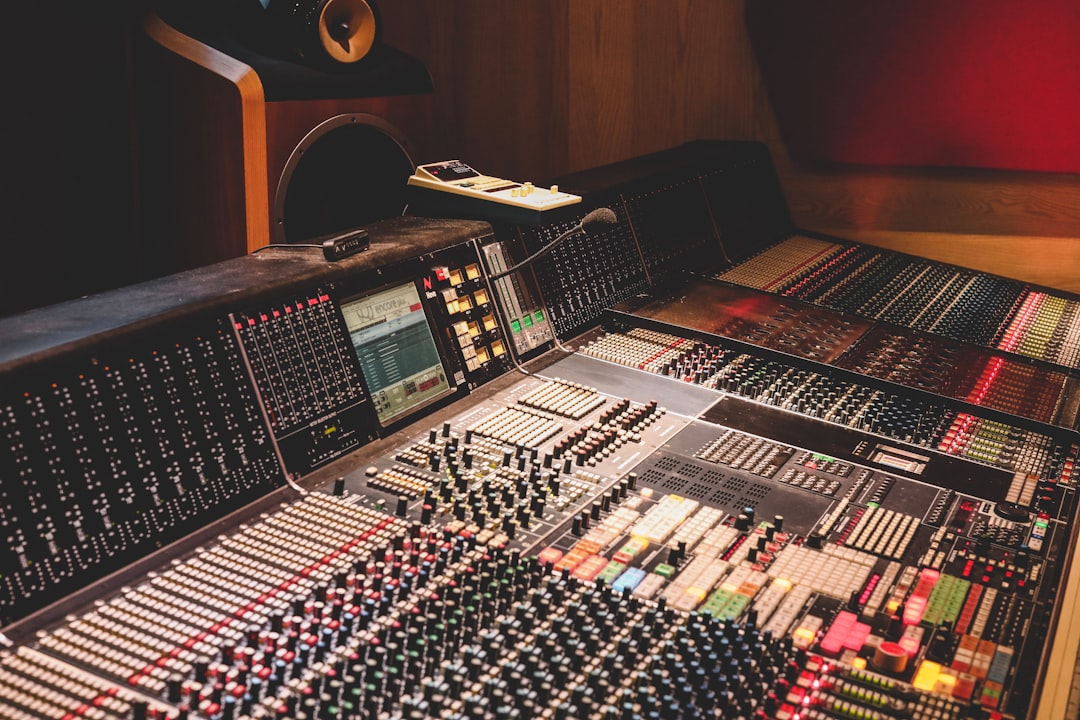
If you are staring at your interface wondering do I need a preamp, here is the short version: you already have one, and for most home recording it is enough. Every audio interface with a mic input contains built-in preamps, and modern ones are clean and quiet. A separate external preamp is an upgrade for specific situations, not a missing essential. This guide explains what a preamp actually does, how to tell if yours is limiting you, and when spending on an outboard unit genuinely improves your recordings.
What a Preamp Actually Does
A microphone puts out an extremely weak signal, often 50 to 60 dB below the line level that your DAW and converters expect. A preamp’s job is to boost that tiny signal up to a usable level cleanly, before it is converted to digital. Without enough clean gain, you either record too quietly (and add noise when you turn it up later) or you push a weak preamp so hard it hisses. That is the whole function: quiet, clean amplification.
Turntables have a similar problem: a cartridge’s output is very low and also needs RIAA equalisation, which is why records are played through a dedicated phono stage. If you are recording or digitising vinyl, see our picks for the best phono preamps.
Not sure whether your own record setup already has that stage covered? Our explainer on whether you need a phono preamp walks through how to check your turntable, amp and speakers.
Because the mic input on your interface already includes a preamp, plugging a microphone in and turning up the gain knob is you using a preamp right now. The question is never whether you need one, but whether the one you have is good enough for what you record.
Do I Need a Preamp Beyond My Interface?
For the large majority of home studios, no. Interface preamps have improved enormously, and units from Focusrite, Audient, MOTU, SSL, and Universal Audio all offer clean, quiet gain that flatters vocals and instruments. You would only reach for an external preamp in a few real scenarios:
- You record quiet dynamic and ribbon mics. Mics like the SM7B or a passive ribbon need a lot of gain, sometimes 60 dB or more. If your interface tops out around 55 dB, you may run out of clean gain and hear hiss on quiet passages. A high-gain external preamp or an inline gain booster solves this.
- You want a specific colour. Some outboard preamps add harmonic saturation and character that transparent interface pres deliberately avoid. This is a tone choice, not a fidelity fix.
- You need more or better inputs than your interface provides. External pres let you upgrade the front end without replacing the whole interface.
If none of those describe you, your money is better spent on treating your room, a better microphone, or a pop filter and stand, all of which change your sound more than a preamp swap will.
How to Tell If Your Preamp Is Actually Limiting You
Before you buy anything, diagnose the real problem, because most complaints blamed on a preamp are actually gain-staging or placement issues. Run this quick check with the mic and source you normally use:
- Set your gain so a normal performance peaks around -12 to -6 dBFS in the DAW. If you have to max the gain knob just to reach that with a dynamic mic, you are short on gain and a high-gain pre would help.
- Record 20 seconds of silence at your normal gain, then turn it up and listen. A faint, even hiss is normal; loud hiss at moderate gain points to an underpowered front end.
- Move closer to the mic. The inverse square law means halving the distance to the source roughly quadruples the level reaching the capsule, so getting the mic to 10 to 15 cm for a dynamic vocal often removes the need for more gain entirely.
Very often the fix is technique, not hardware. Correct placement and clean gain staging solve the problem people expect a preamp to cure. Our gain staging guide walks through setting levels from the mic to the master.
Getting a Better Tone Without Buying a Preamp
If you want warmth and character rather than more gain, you can add it in the box far more cheaply than with outboard gear. Preamp and console emulation plugins model the saturation of classic hardware, and you can print it while tracking or add it later. Channel-strip plugins such as Scheps Omni Channel give you preamp-style drive, EQ, and compression in one window, which covers the tone-shaping most people are really after. For everyday cleanup and colour, the free tools in our audio tools hub are a good place to hear what a little saturation does before you spend.
Keep one thing in mind: an external preamp still connects to your interface’s line input, so your converters remain in the signal path. A great preamp cannot outrun weak conversion, which is another reason a solid interface is the better first investment for most home studios.
The Bottom Line
You do not need a separate preamp to record music at home. Your interface has capable preamps built in, and clean technique gets more out of them than most beginners realise. Reach for an external unit only when a specific mic starves your gain, when you want a deliberate sonic colour, or when you need to expand your input count. Until then, spend on the room, the mic, and your recording chops. When you are ready to shape tone, our overview on EQ and compression fundamentals shows where character actually comes from in a modern chain.
Frequently Asked Questions
Does an audio interface count as a preamp? Yes. Any interface with an XLR mic input has built-in preamps, and using the gain knob is using a preamp. For most home recording that is all you need.
Will a preamp make my recordings sound less noisy? Only if noise comes from running out of clean gain, which happens mainly with quiet dynamic and ribbon mics. If the noise is room hum or a weak converter, a preamp will not fix it.
Are expensive boutique preamps worth it for a bedroom studio? Rarely, until your room, mic, and technique are already dialled in. Their value is subtle colour, and that improvement is small compared with treating your space or upgrading your microphone.



