
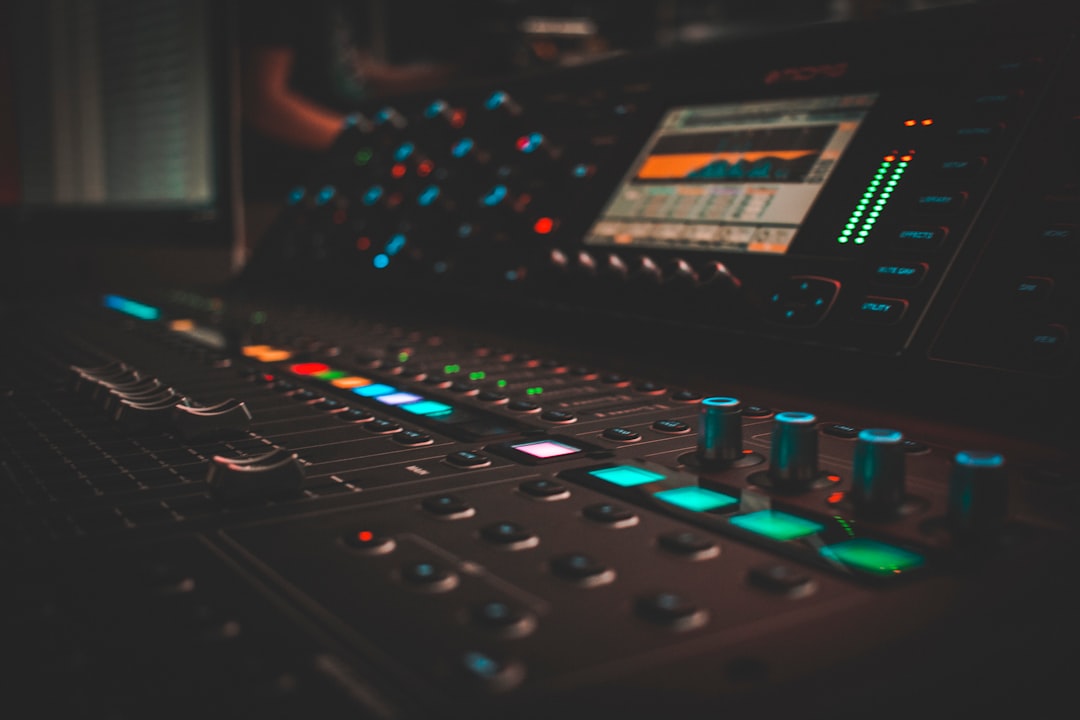
If you want to know how to become a recording engineer, the core of the job is capturing sound cleanly and well at the source. A recording (or tracking) engineer sets up sessions, chooses and places microphones, manages signal flow, and gets the best possible takes onto the timeline. Get the capture right and everything downstream — mixing, mastering — gets easier. Here’s the practical route.
What a recording engineer does
The recording engineer runs the technical side of a tracking session: setting up mics and the console or interface, managing headphone mixes, keeping levels healthy, and making the artist comfortable so they perform well. Unlike mixing, much of the work happens in the room with people, in real time. It’s part technical, part interpersonal. For the wider picture of how this fits among other roles, see the types of audio engineering jobs.
Step 1: Master signal flow and gain structure
Recording lives or dies on clean signal. You need to understand the full path from microphone to interface to DAW, and how to set levels so nothing clips or runs too quiet. Start with gain staging and sample rate and bit depth, then get comfortable with your interface — our guide on setting up an audio interface covers the basics every tracking engineer needs cold.
Step 2: Learn microphones inside out
Mic choice and placement are where a recording engineer earns their keep. You need to know the difference between condenser and dynamic microphones, how polar patterns shape what you capture, and where to put a mic for a given source. Placement is a craft you build by trying things and listening — a few centimetres often changes everything.
Step 3: Practise capturing real sources
Record as much as you can. Vocals, acoustic guitar, electric guitar, drums, podcasts — each teaches you something different. Work through practical guides like recording vocals at home and dial in your vocal mic placement. The more sources you track, the faster you’ll know which mic and position to reach for under time pressure.
Step 4: Set up a capable recording space
You don’t need a commercial live room to start. A quiet, treated corner and one good mic let you learn the fundamentals. Our home studio on a budget guide outlines a sensible tracking setup, and basic acoustic treatment dramatically improves what you capture. Understanding your room is part of the job — engineers work with the space they have.
Step 5: Get experience and build toward paid work
Studios remain one of the best places to learn tracking, because you’re around experienced engineers and serious gear. Many recording engineers start with a studio internship or by finding hands-on experience recording local acts. Build a reputation for clean, reliable, well-organised sessions, and the referrals follow. From there you can work in studios, run your own room, or offer remote tracking services.
The skills that separate good recording engineers from beginners
Technical knowledge gets you in the door, but the engineers people rebook share a handful of less obvious habits. Critical listening is the foundation: training your ears to hear when a capture is dull, boomy, harsh or out of phase, and to recognise the difference long before it reaches a mix. This is a skill you sharpen over months of comparing your own recordings against records you admire.
Speed and organisation matter just as much. A session has momentum, and an artist loses their performance edge if you spend twenty minutes hunting for a cable or re-patching a headphone feed. Good engineers label tracks clearly, keep a tidy signal chain, and can troubleshoot a dead channel or a buzz without panic. Finally, there’s people skill: knowing when to push for one more take and when the performance is already there. The best technical capture in the world is worthless if the artist felt rushed and never delivered their best.
Common mistakes to avoid when starting out
Beginners often reach for processing too early. Heavy compression or EQ on the way in bakes in decisions you can’t undo, so capture as cleanly and neutrally as you reasonably can and leave the shaping for the mix. A related error is chasing gear before craft — a more expensive microphone rarely fixes a problem that better placement would have solved for free.
Two technical traps catch almost everyone at first. The first is recording too hot, pushing levels close to the ceiling out of an old analogue habit; in a modern digital rig you have plenty of headroom, so aim for healthy but conservative levels and you’ll never clip a take. The second is ignoring the room. An untreated, reflective space stamps its character onto every recording, and no plugin removes it cleanly afterwards. Listen to the room before you listen to the gear.
How long does it take?
It varies widely. The fundamentals of clean capture can come quickly, but developing the instinct for mic selection, placement and session flow takes time and many real sessions. Your pace depends on how much you record and how much you work alongside experienced engineers. There’s no fixed timeline.
Frequently asked questions
Is a recording engineer the same as a mixing engineer?
No. A recording engineer focuses on capturing performances at the source, while a mixing engineer balances those captured tracks into a finished song. Some people do both, but they’re distinct skill sets with different priorities — if mixing appeals more, see our guide on how to become a mixing engineer.
What gear do I need to start recording?
At minimum, a computer with a DAW, an audio interface, one good microphone, headphones and a reasonably quiet, treated space. You can expand from there as you take on more demanding sources like full drum kits.
Do I need to work in a studio to become a recording engineer?
It’s not required, but studio time accelerates your learning because you’re surrounded by experienced people and capable rooms. Many engineers combine home recording with studio internships or assisting work to build well-rounded skills.
Do I need a qualification or degree to become a recording engineer?
No formal qualification is required, and most working engineers are judged on the quality of their recordings rather than a certificate. A course can give you structure and access to gear, but a strong body of clean, well-organised work and a track record of reliable sessions will always carry more weight with clients and studios.



