
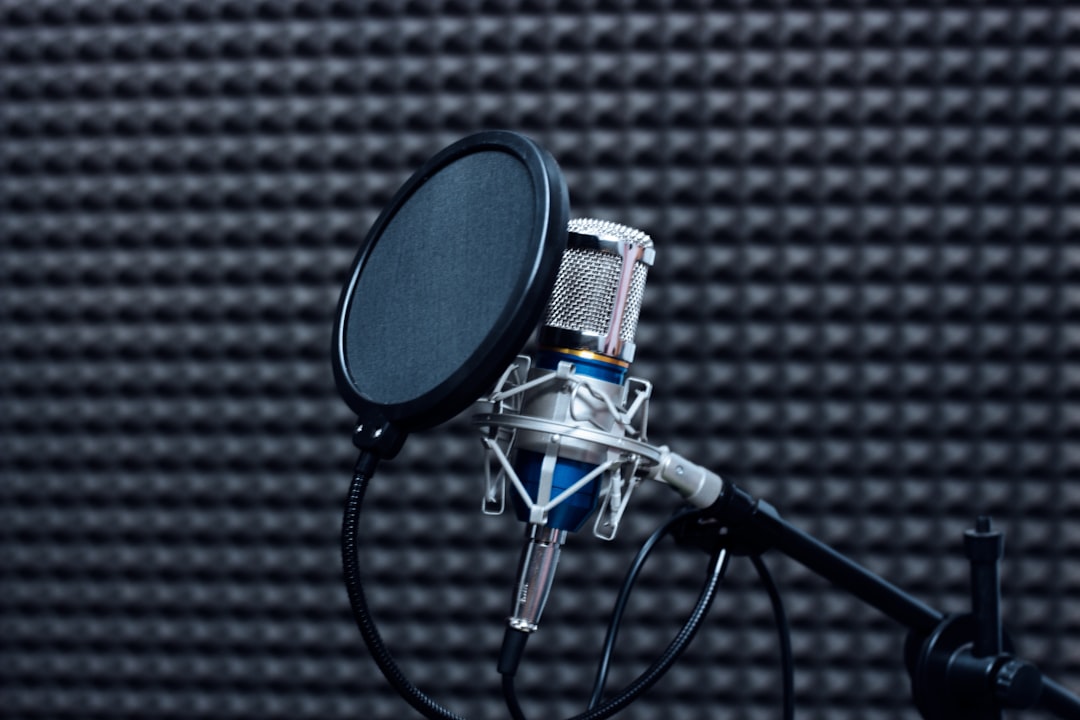
The best condenser mic under 200 dollars for most home recordists is the Audio-Technica AT2035 — it is quiet, detailed and forgiving enough for vocals, podcasts and instruments alike. But “best” depends on your voice, your room and what you plug it into, so this guide compares six genuinely good large-diaphragm condensers under $200 and shows you how to pick the right one.
Violet Recording is reader-supported — we may earn a commission from links on this page, at no extra cost to you.
Quick picks: the top condenser mic under 200 dollars for each use
If you want the short version, here is where each mic shines. Scroll past the table for the full reasoning and buying criteria.
| Microphone | Polar pattern | Best for | Why it stands out | Price |
|---|---|---|---|---|
| Audio-Technica AT2035 | Cardioid | All-round vocals & podcasting | Low self-noise, pad + high-pass, includes shock mount | Shop on Amazon |
| Audio-Technica AT2020 | Cardioid | Tightest budget / first mic | The reliable entry point; clean and neutral | Shop on Amazon |
| Rode NT1-A | Cardioid | Bright, airy vocals | Extremely low self-noise, crisp high end | Shop on Amazon |
| AKG P220 | Cardioid | Louder sources & instruments | High SPL handling, switchable pad and bass cut | Shop on Amazon |
| sE Electronics X1 S | Cardioid | Versatility & build quality | Two-position pad, two-position filter, very high SPL | Shop on Amazon |
| Lewitt LCT 240 Pro | Cardioid | Clean, modern sound | Balanced voicing, easy to mix, low noise | Shop on Amazon |
What actually matters when you buy a condenser under $200
Under $200 you are not choosing between “good” and “bad” mics — nearly every option here is capable of professional-sounding results in a treated room. What separates them is how they flatter your particular voice and how much they forgive an untreated space. Here are the criteria that genuinely change your recordings, in rough order of importance.
Self-noise (the number that quietly ruins takes). Every condenser has a built-in hiss floor, measured in dB-A. Lower is better. For spoken-word and quiet vocal passages you want a mic with low self-noise, because you will be pushing gain and any hiss gets amplified with your voice. The Rode NT1-A and the Audio-Technica AT2035 are standouts here — they stay clean even when you crank the interface. If you record loud sources like a belted vocal or a guitar amp, self-noise matters less and headroom matters more.
Frequency response and “voicing”. Cheaper marketing loves the word “flat”, but most vocal condensers have a deliberate presence lift in the upper mids and highs to add air and intelligibility. A brighter mic like the NT1-A can sound stunning on a dull voice and harsh on a already-bright one. A more neutral mic like the Lewitt LCT 240 Pro or the AT2020 is easier to mix and less likely to fight your voice. There is no universally correct answer — match the mic’s character to your source.
Pads and high-pass filters. A pad (usually -10 or -20 dB) lets the mic handle loud sources without distorting; a high-pass (low-cut) filter rolls off rumble and proximity boom. On a budget these switches are genuinely useful — the AT2035, AKG P220 and sE X1 S all include them, while the AT2020 and NT1-A do not. If you record variable sources, prioritise a mic with both.
What you plug it into. Every mic here is an XLR condenser that needs 48V phantom power, so you need an audio interface or mixer that supplies it — a plain USB adapter will not do. If you do not already own one, budget for it. Our guide to what phantom power is explains why, and if you are choosing an interface, the Focusrite Scarlett 2i2 is the classic pairing.
The room, not the mic, is your ceiling. This is the honest part most roundups bury. A condenser is sensitive by design — it hears your reflections, your keyboard, the traffic outside. Spending more on the mic while recording in a bare, echoey room is the wrong order of operations. Sort a little acoustic treatment first, then any mic on this list will reward you.
The six best condenser mics under 200, compared in detail
Audio-Technica AT2035 — the best all-rounder
If you want one recommendation and no agonising, buy the AT2035. It has noticeably lower self-noise than the cheaper AT2020, adds a -10 dB pad and an 80 Hz high-pass, and ships with a proper shock mount rather than a plastic clip. The voicing is detailed without being brittle, which makes it flattering on a wide range of voices and easy to place on acoustic guitar or a podcast desk. For most people reading this, it is the sweet spot of price, features and forgiveness. Shop on Amazon — Check the current price on Amazon.
Audio-Technica AT2020 — the safest first mic
The AT2020 is arguably the most recommended entry-level condenser ever made, and for good reason: it sounds clean and neutral, it is built solidly, and it does nothing weird. There is no pad or filter and its self-noise is higher than its pricier siblings, but as a first “proper” mic to learn on it is hard to beat. If your budget is tight or you are testing whether recording is for you, start here. Shop on Amazon — Check the current price on Amazon.
Rode NT1-A — the low-noise vocal specialist
The NT1-A is famous for two things: an exceptionally low noise floor and a bright, airy top end. On a voice that needs lift and sparkle it can sound genuinely expensive. The flip side is that on a naturally sibilant or bright voice it can push harshness, and it has no onboard pad or filter, so you fix things at the interface and in the mix. It usually ships as a full bundle with shock mount, pop filter and cable, which softens the price. Shop on Amazon — Check the current price on Amazon.
AKG P220 — for louder sources
The P220 is the burly one here. It handles high sound-pressure levels well and includes a -20 dB pad and a bass-cut switch, which makes it a comfortable choice for loud singers, brass, guitar cabs and drums as well as spoken word. It has a warmer, fuller low-mid character than the brighter Rode. If your recordings lean loud and full-bodied rather than delicate, it is a strong pick. Shop on Amazon — Check the current price on Amazon.
sE Electronics X1 S — the versatile workhorse
The X1 S punches above its price on build and flexibility. It offers a two-position pad and a two-position low-cut filter, handles very high SPLs, and has a clear, controlled sound that sits well in a mix without much surgery. It is the mic to choose if you want one condenser that will confidently record whatever you throw at it — vocals today, guitar amp tomorrow. Shop on Amazon — Check the current price on Amazon.
Lewitt LCT 240 Pro — the clean, modern option
Lewitt built the LCT 240 Pro to be easy: a balanced, uncoloured voicing that captures your source honestly and mixes fast. It is quiet, tidy-looking and a smart choice if you dislike the built-in brightness of some rivals and would rather add character yourself with EQ. If “gets out of the way” is what you want from a mic, this is it. Shop on Amazon — Check the current price on Amazon.
Condenser vs dynamic: are you even sure you want a condenser?
Before you spend, be honest about your room. Condensers are sensitive and detailed, which is wonderful in a quiet, treated space and a liability in a noisy, reflective one. If you record in a shared flat, next to a loud PC, or in an untreated room, a dynamic mic like the Shure SM58 or SM7B can actually give you cleaner, more usable takes because it rejects far more of the room. We break the trade-off down fully in condenser vs dynamic microphones. If you have decided a condenser is right, the six above are the ones to shortlist — and if your budget is even tighter, see our best budget condenser microphones roundup.
How to get the best out of any of these mics
The mic is only one link in the chain. Get these basics right and a $150 condenser will embarrass an expensive one used carelessly. Set your gain properly — aim for healthy peaks with headroom, not clipping; our gain staging guide covers the numbers. Work the mic at a consistent distance (a hand-span for vocals) with a pop filter to tame plosives, and speak or sing slightly across the capsule rather than straight into it. Add even minimal treatment behind and around you, and record in the quietest part of your day. For the full walkthrough, see how to record vocals at home, and browse more mic guides in our microphones hub.
Frequently asked questions
Do I need phantom power for a condenser mic under $200?
Yes. Every XLR condenser on this list needs 48V phantom power, which comes from an audio interface or mixer with a phantom switch (usually labelled “48V”). A basic XLR-to-USB adapter without phantom power will not work. The only condensers that skip this requirement are USB condensers with a built-in preamp.
Is a more expensive condenser always better?
No. Past a certain point you are paying for lower noise, better build and specific tonal character, not raw “quality”. In an untreated room, the difference between a $150 and a $600 condenser is far smaller than the difference acoustic treatment makes. Nail your room and technique first; the mics above are already good enough to release music with.
Which of these is best for podcasting and streaming?
The AT2035 is the easiest all-round choice thanks to its low noise and useful pad and filter. That said, many streamers are better served by a dynamic mic because it rejects room noise and keyboard clatter — if your space is loud, read our condenser vs dynamic comparison before deciding.



